





How to plan a multi-generational family trip to Cherrapunjee
A family holiday in Cherrapunjee, also known as Sohra or Cherrapunji, can bring grandparents, parents, teenagers, and young children together around waterfalls, forests, caves, village life, and Khasi culture. The destination is especially rewarding when the itinerary allows everyone to enjoy the landscape at a comfortable pace rather than treating every attraction as a challenge to complete.
The region receives heavy rainfall, has winding hill roads, and includes viewpoints, steps, uneven paths, and cave entrances. Good planning therefore matters more for a multi-generational group than for a party of young, highly active travellers. The right schedule combines accessible sights with optional activities, reliable transport, restful accommodation, and enough unplanned time.
A successful Meghalaya family vacation is built around shared experiences. Some relatives may want to walk through a living root bridge, while others may prefer a scenic viewpoint, a café, or a quiet afternoon at the resort. Planning these choices in advance helps the group stay together without expecting every person to follow the same route.
Set a comfortable pace from the start
Begin by discussing the group’s mobility, health needs, preferred meal times, and tolerance for long drives. Older adults may manage short walks well but struggle with steep steps or slippery ground. Children may enjoy waterfalls and caves but become tired during extended road journeys. Teenagers may want photography, adventure, and independent time within safe limits.
It is useful to classify attractions as essential, optional, or weather-dependent. A scenic stop such as Shillong Peak or a roadside viewpoint may suit nearly everyone. A longer walk to a root bridge can be offered to the energetic members, while the rest of the family enjoys nearby village scenery. This approach prevents one demanding activity from determining the entire holiday.
Avoid scheduling more than two major stops on a travel day. In the hills, distances that look short on a map can take much longer because of bends, traffic, rain, and road conditions. Build in time for meals, restroom breaks, photographs, and unexpected delays. A relaxed itinerary usually creates better family memories than a crowded checklist.
Shape the itinerary around shared highlights
Most families should allow at least three nights in the region if they want to see Cherrapunjee without rushing. A two-night stay can cover the main highlights, but longer Meghalaya tour packages make it easier to include nearby villages, caves, waterfalls, and a return through Shillong. Those travelling with children or older relatives may benefit from adding a rest day.
A practical short trip could begin with arrival from Shillong or Guwahati, followed by a gentle local outing. The second day might include Nohkalikai Falls, Seven Sisters Falls, Mawsmai Cave, and selected viewpoints, depending on weather and energy levels. The final morning can be kept flexible for a slow breakfast, a nearby attraction, and the onward journey.
Families wanting a concise, organised stay can review this two-night package as a starting point for a 2N/3D Cherrapunji itinerary. Even when using a package, ask whether the schedule can be adjusted for walking ability, meal preferences, rest stops, and the ages of the travellers.
For a four- to seven-night holiday, combine Cherrapunjee with Shillong, Mawlynnong, Dawki, or other suitable Meghalaya destinations. Keep the number of hotel changes low. Moving luggage every morning is tiring for older adults and young children, while staying two or three nights in one place gives everyone time to settle into the holiday.
Match attractions to different energy levels
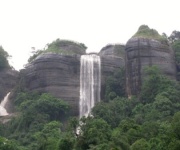
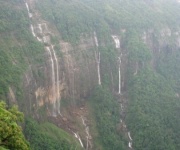
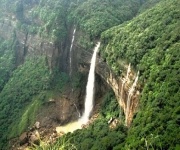
Nohkalikai Falls is among the most recognisable sights near Cherrapunjee and generally works well as a family stop because the main viewpoint provides a dramatic view without requiring a long trek. Seven Sisters Falls is also a popular photographic stop, although the appearance of the falls depends heavily on the season and rainfall. Viewpoints can become misty, so allow flexibility rather than promising a particular panorama.
Mawsmai Cave offers an exciting experience for older children and adults, but narrow passages, wet surfaces, low ceilings, and uneven footing may make it unsuitable for some grandparents or very young children. Treat it as an optional activity. A family member who skips the cave can spend that time at a nearby viewpoint or rest area rather than feeling excluded from the day.
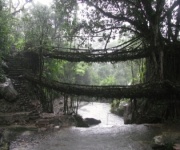
The living root bridges around Meghalaya are remarkable examples of traditional Khasi ecological knowledge. However, reaching some of them involves many steps and a substantial walk. Before choosing a route, confirm the distance, gradient, surface conditions, and available rest points. A shorter village walk or a viewpoint may provide a better alternative for relatives with knee, balance, or cardiac concerns.
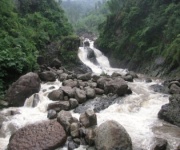
Waterfall visits require particular care. Rain can make paths slippery, water levels can rise quickly, and rocks near cascades may be unstable. Stay within marked areas, follow local instructions, and avoid entering pools or streams unless the site is clearly designated and conditions are safe. A waterproof phone pouch and secure footwear are more useful than trying to get close to every cascade.
| Family need | Suitable planning choice | Helpful precaution |
|---|---|---|
| Older adults | Viewpoints, short walks, scenic drives, cultural stops | Request frequent breaks and avoid steep routes |
| Young children | Waterfalls from safe viewpoints, parks, village visits | Carry snacks, spare clothes, and close supervision |
| Teenagers | Caves, photography, nature walks, selected adventure activities | Set clear boundaries and use local guidance |
| Mixed mobility group | Shared sightseeing with optional activities | Keep an alternative stop for anyone skipping a difficult walk |
| Rain-sensitive travellers | Flexible indoor and sheltered plans | Check forecasts and carry waterproof layers |
| Large family groups | Reserved vehicle and coordinated accommodation | Confirm luggage space, room layout, and meal timing |
Choose transport and accommodation carefully
A dedicated vehicle with an experienced local driver is usually the most comfortable option for a large family group. It allows the party to stop for refreshments, adjust the day around weather, and avoid the strain of changing public transport with luggage. Confirm the vehicle’s seating capacity rather than assuming that a listed number will be comfortable for a full day in the hills.
If the group includes grandparents, ask about vehicle access at every accommodation and attraction. A resort may have rooms reached by stairs, steep driveways, or uneven paths. Request ground-floor rooms where possible, and clarify whether bathrooms include western-style toilets, grab rails, hot water, and enough space for assistance.
Room arrangements can affect the entire holiday. Families may prefer adjoining rooms, family suites, or a mix of twin and double rooms rather than placing everyone in one large space. Discuss who needs quiet, who sleeps early, and who may need help at night. Booking early is sensible during holidays, weekends, and periods of pleasant weather.
Food planning deserves equal attention. Confirm whether the property can provide vegetarian meals, child-friendly portions, low-spice dishes, allergy-aware preparation, or familiar breakfast options. Carry a small supply of preferred snacks, oral rehydration products, and any prescribed medicines. Restaurants may be spread out, and meal times can shift because of road conditions.
Prepare for weather, health, and connectivity
Cherrapunjee’s weather can change quickly. Rain, mist, sunshine, and cooler conditions may occur within the same day, especially during the monsoon and shoulder seasons. Lightweight waterproof jackets, quick-drying clothes, trousers, and an extra pair of socks are practical for nearly every family member. Shoes should have secure grip and should be comfortable for wet paths.
Pack medicines in hand luggage and carry prescriptions or a basic medical summary for relatives with ongoing conditions. Include motion-sickness remedies if anyone finds winding roads difficult, along with sun protection, insect repellent, hand sanitiser, and a small first-aid kit. Families should identify the nearest suitable medical facility through their accommodation or driver rather than relying only on online maps.
Mobile coverage and internet access can vary between towns, valleys, and remote attractions. Download directions, reservation details, emergency contacts, and important documents before leaving reliable coverage. Carry some cash for local purchases and small services, while keeping cards and phones protected from rain.
Travel documents should be checked well before departure. Indian travellers should carry accepted photo identification, and international visitors need a valid passport and visa. Entry, registration, and local travel requirements can change, so foreign nationals should verify current rules with official Indian authorities and their accommodation provider. Keep digital and printed copies of bookings, identification, insurance details, and emergency contacts.
Make children and grandparents part of the experience
A multi-generational holiday feels more meaningful when each age group has a role. Children can keep a simple nature journal, identify birds and plants, or help record rainfall and cloud changes. Teenagers can photograph the journey, learn a few Khasi words, or research the history of the living root bridges before visiting them. These activities turn waiting and travelling into part of the destination.
Grandparents often bring family stories and a slower way of noticing places. Give them time to talk with local hosts, observe village life, or enjoy a cup of tea at a viewpoint. A trip should not measure success by how many kilometres the group walks. Shared meals, photographs, and conversations can be as memorable as the largest waterfall.
Set expectations for group decisions before arrival. One person can coordinate bookings, another can manage medicines and documents, and older children can help with day bags and snacks. Use a simple daily meeting to confirm departure time, weather, clothing, and optional activities. Clear communication reduces repeated instructions and prevents small disagreements from affecting the day.
Respect local communities and natural sites throughout the journey. Dress modestly at villages and religious or cultural places, ask before photographing people, avoid littering, and follow signs around caves, forests, and waterfalls. Buying local crafts or eating at independent establishments can add a valuable cultural dimension when done respectfully.
Pack for comfort rather than every possibility
A carefully selected day bag can make sightseeing easier for everyone. Keep it light, divide shared supplies between adults, and place important items in waterproof pouches. Each person should have easy access to water, a rain layer, and any essential medication.
- Wear grippy walking shoes and carry a dry backup pair where possible.
- Pack quick-drying layers, a compact raincoat, socks, and a light warm layer.
- Bring personal medicines, prescriptions, motion-sickness supplies, and basic first aid.
- Carry refillable water bottles, simple snacks, tissues, and hand sanitiser.
- Protect phones, cameras, documents, and power banks from rain and accidental drops.
Do not rely on umbrellas alone, especially on exposed paths or during wind-driven rain. A small towel, spare plastic-free dry bag, and portable charger can be helpful during long sightseeing days. Keep children’s clothing and footwear suitable for mud rather than packing delicate outfits that restrict movement.
Before each outing, check the weather and the route with the driver or local guide. If a path has become unsafe, replace it with an accessible viewpoint, a cultural stop, or additional time at the accommodation. Flexibility is a safety measure, not a failure of the itinerary.
With the route, rooms, transport, and activity levels planned around the whole family, Cherrapunjee becomes easier to enjoy across generations. Contact a trusted local tour provider to arrange a Meghalaya family package that fits your group size, preferred number of nights, mobility needs, and sightseeing priorities, then set out with enough time to experience Sohra at its own unhurried pace.