





How to plan a photography workshop in Cherrapunjee
Cherrapunjee, also known as Sohra or Cherrapunji, gives photographers an unusually rich setting for a focused workshop. In a relatively compact region of Meghalaya, participants can work with dramatic escarpments, monsoon-fed waterfalls, limestone caves, misty valleys, forest trails, village life, and living root bridges. The changing light is just as valuable as the scenery: cloud cover can transform a familiar viewpoint within minutes.
A successful workshop needs more than a list of scenic stops. The area’s heavy rainfall, steep paths, winding roads, seasonal conditions, and conservation-sensitive locations affect every part of the programme. A good plan balances ambitious photography with realistic travel times, safe movement, rest, and respectful engagement with local communities.
The ideal format combines guided shooting, short technical demonstrations, image reviews, and time for independent practice. Whether the group consists of beginners, experienced landscape photographers, or mixed-level travellers, a clear structure will help everyone return with stronger images and a deeper understanding of Sohra.
Define the workshop’s creative direction
Begin by deciding what kind of visual experience the workshop will offer. A landscape-focused itinerary might centre on waterfalls, cloud formations, cliffs, forests, and broad valley views. A documentary programme could include village architecture, local craft, food, agricultural landscapes, and portraits made with informed consent. Another option is a nature and close-up workshop built around moss, ferns, orchids, insects, tree textures, and the distinctive ecology of Meghalaya.
A focused theme makes the schedule and equipment easier to manage. It also helps participants understand what skills they will develop. A landscape group may need instruction in exposure blending, use of graduated filters, composition, and long exposures. A documentary group will benefit from discussions about permission, cultural sensitivity, captioning, and storytelling. Wildlife photography requires additional patience and careful expectations, since sightings cannot be guaranteed.
Keep the group size modest. Six to twelve participants allows an instructor to provide individual feedback while guides can still manage movement on uneven trails. Larger groups may need to split into smaller units, particularly at popular viewpoints, narrow cave passages, or fragile natural sites.
Choose the best season and daily rhythm
Cherrapunjee’s weather is central to its character, but it also determines how much can be achieved outdoors. The monsoon brings powerful waterfalls, saturated greenery, low cloud, and atmospheric conditions that landscape photographers often seek. Trails may be slippery, visibility can change quickly, and heavy rain may delay road transfers. The post-monsoon months often offer a practical balance, with waterfalls still flowing and clearer opportunities for distant views.
The drier season can provide more reliable access and comfortable walking conditions. It may suit architectural, cultural, cave, and sunrise photography, although some waterfalls will be less forceful. Rather than promising a fixed number of locations, build the itinerary around weather-responsive alternatives. If cloud hides a viewpoint, the group can work on intimate forest details, environmental portraits, or a technical editing session.
Plan the day around light and recovery. Early morning is useful for quiet viewpoints, mist, and soft directional light. Midday can be reserved for caves, cultural visits, meals, image backups, or demonstrations. Late afternoon often brings attractive side light and changing cloud. Avoid filling every hour with driving; participants need time to clean equipment, review photographs, and rest after wet or demanding walks.
A five-day structure can work well for a first workshop because it allows a mixture of signature landscapes, forest locations, and flexible weather days. The guidance in this five-day vacation plan can help organisers think through pacing, transfers, and how many excursions fit comfortably into a multi-day stay.
Build a practical location plan
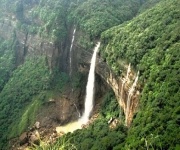
Select locations according to photographic variety rather than simply collecting famous names. Waterfalls can teach shutter-speed control and composition, while caves introduce low-light technique and careful use of artificial light. Viewpoints offer opportunities for scale and layered landscapes, but they should be balanced with closer scenes that remain available when the horizon disappears into cloud.
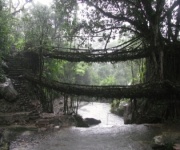
Living root bridges deserve especially thoughtful planning. They are living cultural and ecological landmarks, not props for a quick photo stop. Some require long walks over steep terrain, so participants should receive accurate information about fitness, footwear, water, and return times. Keep the group on established paths and avoid climbing on roots or obstructing local residents using the bridge.
The Mawphlang Sacred Forest is another location where preparation and conduct matter. Its cultural significance calls for a local guide, adherence to site rules, and an emphasis on observation rather than staged activity. Organisers can review practical details in this guide to visit Mawphlang Sacred Forest before adding it to a photography route.
Allow generous transfer time between locations. Meghalaya’s roads may be scenic but slow, and a short distance on a map can take much longer than expected. Confirm current access conditions, parking arrangements, trail closures, and local entry requirements before departure. A local operator familiar with Sohra can adjust the route when rainfall, roadwork, or crowd levels make the original plan unsuitable.
Match equipment to the conditions
Participants do not need the largest possible camera system. A weather-sealed camera, a versatile wide-to-short-telephoto zoom, spare batteries, and sufficient memory cards will cover many workshop situations. A lightweight tripod is valuable for waterfalls, blue-hour landscapes, and focus-stacked forest details, while a polarising filter can reduce glare on wet foliage and improve colour separation.
Rain protection should be treated as essential rather than optional. Bring a reliable camera cover, dry bags or waterproof pouches, lens cloths, silica gel, and a separate waterproof container for batteries and cards. Pack a microfiber towel and avoid opening the camera bag unnecessarily during heavy rain. When moving from a cold or wet exterior into a warmer room, allow equipment to acclimatise gradually to reduce condensation.
A headlamp is useful for caves and early starts, but it should have a low-brightness or red-light mode so it does not disrupt other photographers. Comfortable trekking shoes with strong grip are more important than extra lenses. Participants should also carry a refillable water bottle, personal medicines, light snacks, a compact first-aid kit, sun protection, and quick-drying layers.
The workshop leader should carry backup storage, power banks, extension leads, chargers, and a simple data-management system. Establish a routine for two copies of each day’s images, preferably on separate devices. Participants should label folders by date and location, record notable conditions, and avoid formatting cards until files have been checked.
| Workshop element | Practical approach in Cherrapunjee | Backup option |
|---|---|---|
| Waterfall photography | Use tripods, rain covers, and varied shutter speeds | Forest details or water textures |
| Viewpoint landscapes | Schedule at dawn or late afternoon | Layered compositions in low cloud |
| Caves | Carry headlamps and use controlled light | Indoor image review or editing lesson |
| Living root bridges | Allow extra walking time and follow local guidance | Nearby village or woodland study |
| Cultural photography | Obtain consent and avoid intrusive staging | Architecture, food, or craft details |
| Monsoon conditions | Keep equipment protected and routes flexible | Short local walk or classroom session |
Design teaching sessions that add value
A workshop should give participants a reason to make each stop. Before an excursion, explain the visual problem they will explore: how to create depth in mist, how to show the scale of a waterfall, how to expose for bright cloud, or how to build a narrative from several details. Short briefings are easier to apply than long lectures delivered before anyone has made photographs.
Use location-based exercises. At a waterfall, ask participants to make one image that freezes movement, one that conveys motion, and one that includes a human figure for scale. In a forest, challenge them to work with a restricted focal length or to find a composition based on texture and repetition. At a viewpoint, compare a wide scene with a tighter frame that removes distracting sky.
Schedule image reviews every day, even if they last only forty-five minutes. A constructive review should examine intention, composition, light, timing, and technical choices rather than simply identify the “best” photograph. Encourage participants to explain what they saw and what they wanted the viewer to notice. This turns the review into a shared learning process instead of a competition.
Include a final editing session using images made during the workshop. Demonstrate colour correction for green foliage, highlight recovery in bright cloud, selective contrast, perspective correction, and restrained sharpening. Editing should preserve the atmosphere of Sohra rather than create unrealistic skies or oversaturated vegetation. Participants can finish by presenting a small sequence of three to five images that communicates a place, journey, or mood.
Organise safety, permissions, and local support
A responsible organiser researches access and permission requirements well before the group arrives. International visitors should check current visa rules and any applicable travel permissions, while all participants should carry identification and emergency contact information. Some cultural or protected locations may have local fees, guide requirements, photography restrictions, or rules about drones and lighting equipment.
Do not treat weather warnings as minor inconveniences. Monitor forecasts, road updates, and local advice each morning. Set a clear turnaround policy for slippery trails, rising water, poor visibility, or electrical storms. A guide should know the group’s route, expected return time, transport contact, and nearest medical facilities. Participants should use the buddy system and tell the leader before leaving the group.
Local knowledge improves both safety and the quality of the workshop. Work with experienced drivers, local guides, accommodation providers, and community contacts who understand the terrain and seasonal conditions. Pay agreed fees clearly, credit local contributors where appropriate, and avoid promising photographs or access without consent. If making portraits, explain how images may be used and respect a refusal without pressure.
Cultural awareness should shape the teaching brief. Ask before photographing people, homes, ceremonies, or religious spaces. Do not direct residents into artificial poses merely to add scale. Never remove natural objects from sacred forests or disturb plants for a composition. A workshop’s reputation is built through these small decisions as much as through its final images.
Create a comfortable base for the group
Accommodation should support recovery and equipment care. Choose a resort, hotel, or guesthouse with dependable transport access, drying space, charging points, reliable meals, and a comfortable common area for reviews. A property with views may be appealing, but practical features matter more when clothes and camera bags are repeatedly exposed to rain.
Set expectations before arrival. Send a packing list, fitness guidance, an outline of walking distances, weather information, and a note about responsible photography. Ask about dietary needs, medical considerations, camera experience, and preferred learning outcomes. This allows the instructor and local team to adjust activities without embarrassing or excluding anyone.
Keep meals and transfers predictable. A hot breakfast before an early start, packed lunches for longer routes, and an early evening return can make demanding days much easier. Build in one flexible half-day so the group can revisit a promising location, recover from difficult weather, or complete a longer image review.
The final programme should feel spacious rather than rushed. Participants remember the quality of attention they received: time to wait for a break in the cloud, the chance to return to a composition, useful feedback, and safe guidance on a wet trail. Those priorities turn a sightseeing itinerary into a genuine photography workshop.
Start organising your Cherrapunjee programme by choosing the creative theme, preferred season, group size, and approximate number of nights. Cherrapunjee.net provides information on attractions, accommodation, travel planning, and multi-day vacation packages, while India Beacons Sojourn can help with booking enquiries and local arrangements. With the right support and a flexible route, your group can photograph Sohra thoughtfully, safely, and with a stronger visual story to take home.