





trip to Cherrapunjee: a safe travel blueprint
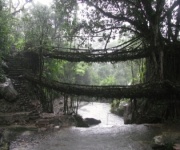
Travelling alone through Northeast India rewards the curious with mist-laced valleys, thundering waterfalls and ancient living root bridges that have endured for generations. Cherrapunjee, known to locals as Sohra, sits on the southern rim of Meghalaya's Khasi Hills and draws travellers who crave a quieter, more textured kind of adventure than the typical backpacking circuit. For Australians weighing whether to take the leap, the destination combines genuine off-the-beaten-path wonder with a level of infrastructure that makes independent travel surprisingly manageable once you know the rhythms of the place.
Australian solo travellers are increasingly drawn to Cherrapunjee because the experience differs so sharply from holidays on Bali's coast or weekends hiking Tasmania's Overland Track. The combination of monsoon forests, limestone caves and warm Khasi hospitality creates a contrast that resonates with Aussies used to wild landscapes. With a little planning, a sensible safety mindset and the right gear, the trip becomes both deeply personal and deeply memorable.
Pre-departure preparation from Australia
Most Australians begin the journey by booking a flight from Melbourne, Sydney or Brisbane, typically routing through Singapore or Kuala Lumpur before connecting to Guwahati in Assam or straight into Kolkata. From there, a domestic hop to Shillong's Umroi Airport or a shared taxi onward to Cherrapunjee finishes the route. Visa requirements are straightforward: Australians need an Indian e-Visa, applied for online well in advance, and a Protected Area Permit is generally not required for the Cherrapunjee region, though rules occasionally shift, so confirming with the Indian High Commission in Canberra before departure is wise.
Travel insurance is non-negotiable for solo adventurers, and several Australian-friendly providers — including Cover-More, Allianz Partners and Fast Cover — offer policies that cover trekking, motorbike riding and emergency helicopter evacuation. Print a copy of your policy, save it offline and share your itinerary with someone at home. Australian travellers often forget that medical care in rural Meghalaya is limited, so a policy that includes evacuation to Delhi or even back to Sydney is worth the extra premium. Pack photocopies of your passport, visa and insurance separately from the originals, a habit familiar to anyone who has trekked through the Australian outback with the same caution.
Documents and essentials to organise before you fly out:
- Valid Australian passport with at least six months' remaining validity
- Printed and offline-saved Indian e-Visa confirmation
- Travel insurance certificate with the 24-hour emergency number highlighted
- Photocopies of every key document, kept separately from the originals
- A small stash of Indian rupees plus a backup forex card for rural merchants
- Contact details for the Australian High Commission in New Delhi saved in your phone
Timing the trip around weather and festivals
Cherrapunjee holds the Guinness record for average annual rainfall, and that single fact shapes every decision about when to visit. The dry window between October and April offers mist-free viewpoints, accessible living root bridges and safer driving conditions along the winding ghat roads. Travellers flying out of Sydney in late October typically arrive during Shillong's autumn festival season, when cultural performances spill into neighbouring villages and the air is crisp enough for long hikes without the constant damp.
Solo travellers should avoid the peak monsoon months of June and July unless they specifically want to witness the full force of the waterfalls and don't mind being stranded by landslides. The shoulder months of September and May sit in between, with dramatic clouds rolling across the plateau at dawn. Driving conditions become genuinely tricky during fog, and any traveller planning to self-drive or hire a private car should read up on how-to-experience-cherrapunjee-s-fog-and-mist-safely-while-driving before setting out. Australians accustomed to foggy Tasmanian mornings or Great Ocean Road mists will recognise the hazards, but the Khasi Hills' sharp drop-offs add a layer of risk worth understanding first.
Getting to Cherrapunjee and moving around
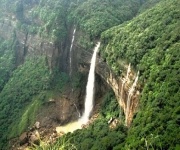
The final leg from Shillong to Cherrapunjee takes roughly two and a half hours by road, threading through pine forests and small Khasi villages. Shared sumo vans leave from Shillong's Police Bazaar throughout the morning, and they remain the most affordable and sociable option for solo travellers. Alternatively, booking a private car through a reputable operator gives you the flexibility to stop at viewpoints like the Nohkalikai Falls or Mawsmai Cave without depending on local bus schedules.
Once in Cherrapunjee, transport gets informal. Local taxis and shared jeeps connect the main attractions, and many homestays will arrange a driver for the day. Australian travellers used to hopping between wine regions in a rented ute should resist the urge to self-drive in Meghalaya unless they have prior experience on Indian rural roads. Horns replace indicators, road surfaces change without warning and the combination of mist, hairpin bends and oncoming trucks demands full concentration. If you do hire a scooter, insist on a helmet, test the brakes on flat ground first and never ride after dusk.
Where to stay as a solo traveller
Accommodation in Cherrapunjee ranges from budget-friendly guesthouses to mid-range resorts, and the past five years have brought a noticeable rise in boutique properties that appeal specifically to independent travellers. Look for properties with on-site restaurants, 24-hour reception and Wi-Fi in common areas, since solo evenings become far more comfortable when the common spaces are inviting. Many Australian visitors find the cultural comfort of a homestay appealing — the Khasi custom of hosting guests as family translates into freshly prepared meals and warm conversation, particularly in villages like Mawlynnong and Nongriat.
For those who prefer a bit more solitude, several properties just outside Cherrapunjee town offer standalone cottages with valley views. Always check recent reviews on platforms used by Australian travellers and confirm whether the property is reachable by a paved road during the season you are visiting. Confirm your booking directly with the property before departure, since payment portals occasionally decline foreign cards in remote regions.
Health, connectivity and on-the-ground safety
Mobile connectivity in Cherrapunjee has improved dramatically, with Jio and Airtel 4G now reaching most tourist sites. Still, signal can vanish inside the deep valleys around the living root bridges, so download offline maps before heading out. Australian travellers should activate international roaming before leaving Sydney or arrange a local Indian SIM card on arrival in Delhi or Guwahati, where the activation process is faster and the staff more accustomed to foreign passports.
Carry a small personal pharmacy kit, as pharmacies in Cherrapunjee are limited and English-language labelling is rare. Include oral rehydration salts, anti-diarrhoeal medication, mosquito repellent with DEET, antiseptic cream and any prescription medicines in their original packaging. Drink only bottled or filtered water, an easy adjustment for travellers who already carry a SteriPEN or similar purifier on Australian bushwalks. Finally, trust your instincts — if a hike feels too remote or a guide's instructions feel rushed, step back and reassess. Solo travel thrives on curiosity, but it also depends on healthy caution.
Cultural etiquette and meaningful local experiences
Khasi culture is matrilineal, which subtly shapes social interactions across Meghalaya. Property and family names pass through the female line, and women play central roles in markets and local decision-making. Travellers who acknowledge this with a simple nod — greeting elders first, asking permission before photographing people — find doors open more freely than those who rush in with cameras first.
Spend at least one afternoon at a local market, where vendors sell bamboo baskets, fresh pepper, pineapples and smoked meats. Australians familiar with weekend farmers' markets from Adelaide to Byron Bay will recognise the conviviality, though the produce here skews tropical and the bargaining is gentler than in Delhi. Visit a living root bridge with a certified local guide, whose fees directly support the village that maintains the structure. Try the local rice beer, kyat, when offered, and return the gesture by accepting invitations to share a meal rather than retreating to your room.
Solo travellers often find Cherrapunjee's slower rhythm disarming after weeks of fast-paced touring through Southeast Asia. The hills reward patience: mists lift by mid-morning, waterfalls roar loudest after rain and conversations with locals unfold unhurried over cups of black tea. Treat the journey as a series of small discoveries rather than a checklist, and the destination reveals itself in layers.
Khasi customs that win over locals:
- Greet elders first with a slight bow and folded hands
- Ask permission before photographing anyone or their home
- Accept food and tea when offered, even a small bite
- Remove shoes before entering a home or sacred grove
- Dress modestly, particularly when visiting religious sites
- Learn a few Khasi greetings, with "Khublei" meaning thank you
Lock in your itinerary through the team at India Beacons Sojourn, which curates solo-friendly packages ranging from two to seven nights, with airport transfers, vetted guides and verified accommodation already arranged. Contact the booking team to start planning a journey shaped around your pace, interests and comfort level.