





How to Reach Cherrapunjee from Shillong by Road
The road from Shillong to Cherrapunjee, also known as Sohra or Cherrapunji, is one of Meghalaya’s most scenic journeys. The distance is roughly fifty-four kilometres, although the actual travel time depends on traffic, weather, roadwork, and the number of sightseeing stops along the way. Most travellers should allow between two and three hours for a direct trip.
Sohra sits on a plateau to the south of Shillong, and the route gradually moves from the state capital’s pine-covered hills into misty valleys, steep escarpments, waterfalls, and forested landscapes. A direct taxi is the simplest option, while shared vehicles and buses can reduce the cost for travellers who are comfortable with a less flexible schedule.
Planning the drive carefully makes a significant difference. Attractions such as Mawkdok-Dympep Valley, Wah Kaba Falls, Nohkalikai Falls, Mawsmai Cave, and the living root bridges are spread across the Sohra region rather than concentrated in one town centre. Your transport choice should therefore reflect whether you want a quick transfer or a full day of exploration.
The Main Road Route
The usual journey follows the Shillong–Sohra Road through the southern outskirts of Shillong and onward towards Mawphlang and the Sohra plateau. The road passes through changing scenery, with urban areas giving way to pine woodland, open viewpoints, village settlements, and deep valleys. Traffic is generally manageable, but Shillong’s busy streets can slow the first part of the journey.
Mawkdok-Dympep Valley is one of the most popular stopping points on the route. From the viewpoint, the landscape drops dramatically into a green gorge, and the changing cloud cover often creates a different view every few minutes. Travellers who leave Shillong early can pause here before continuing towards the main attractions around Sohra.
There are several local diversions depending on your itinerary. A stay near the main Cherrapunjee market is convenient for waterfalls and caves, while a route towards Tyrna or Nongriat requires additional driving and, in the case of the double-decker living root bridge, a substantial trek. Tell the driver your final accommodation and planned sights before starting so the route and price are clear.
Travel Time And Transport Choices
A private taxi is usually the most practical way to travel from Shillong to Sohra. It allows you to stop at viewpoints, wait at waterfalls, and visit attractions in an efficient order. Sedan taxis are suitable for couples or small groups with light luggage, while larger vehicles are more comfortable for families and groups travelling with several bags.
Shared sumos and other shared vehicles may be available from Shillong transport points, particularly for travellers heading to Sohra town. They are generally less expensive than a private car, but they may depart only after enough passengers have gathered. Seating can be limited, and the vehicle may make local stops along the way. Confirm the destination carefully, since a vehicle heading towards another southern Meghalaya area may use part of the same road.
Local buses can be economical, although they usually offer less convenience for visitors carrying luggage or planning several stops. Departure times may vary by season, demand, and local operating conditions. Ask at your accommodation or a recognised transport counter in Shillong for the current schedule rather than relying on an old online listing.
Comparing Ways To Make The Journey
The best option depends on the size of your group, your arrival time, and whether the journey is simply a transfer or the beginning of a sightseeing day. A private taxi costs more, but the price can be reasonable when divided among three or four people. It also removes the need to arrange separate transport for each waterfall or cave after reaching Sohra.
A shared vehicle works well for solo travellers who are comfortable with a fixed route and a slower departure process. Public transport is the lowest-cost choice, but it requires more preparation and may leave you dependent on local taxis for attractions outside the town area.
| Transport option | Typical journey time | Flexibility | Best suited to |
|---|---|---|---|
| Private taxi | 1.5–3 hours | High; stops can be arranged | Families, couples, photographers, sightseeing groups |
| Shared sumo | 2–3.5 hours | Limited; departure depends on passengers | Budget travellers and solo visitors |
| Local bus | 2.5–4 hours | Low; fixed stops and timings | Travellers prioritising the lowest fare |
| Pre-arranged tour vehicle | 2–3 hours to Sohra, plus sightseeing | Very high; itinerary planned in advance | First-time visitors and multi-day holidays |
| Self-drive car | 1.5–3 hours | High, subject to confidence on hill roads | Experienced drivers travelling independently |
Travel time estimates are approximate rather than guaranteed. Monsoon rain, fog, holiday traffic, road repairs, or a slow-moving vehicle can extend the trip. A pre-arranged car is particularly useful when your accommodation is outside central Sohra or when you want to combine the transfer with several stops.
When booking a vehicle, clarify whether the quoted rate covers a one-way transfer, a round trip, a full sightseeing day, fuel, parking, and driver allowances. Some operators price the Shillong-to-Sohra transfer separately from local sightseeing. Written confirmation helps prevent misunderstandings at the end of the journey.
When To Leave Shillong
An early departure is generally the most comfortable choice. Leaving after breakfast gives you more daylight for viewpoints and waterfalls, while an earlier start can help avoid the busiest traffic near Shillong. It also creates room for delays, which are common when rain or fog reduces visibility.
Morning conditions are often clearer, but there is no guaranteed weather pattern. Cherrapunjee is famous for heavy rainfall, especially during the monsoon, and clouds may cover viewpoints without warning. The rain can be part of the experience, though it may make steps, trails, and cave entrances slippery.
During the dry and cooler months, the roads may be easier to navigate and visibility can improve. However, popular weekends and holiday periods still bring significant visitor traffic. If you have a fixed hotel check-in time, share it with the driver and avoid planning too many stops before arrival.
The return journey deserves equal attention. A late afternoon departure from Sohra may place you on winding roads after dark, particularly during winter when daylight fades early. If you are returning to Shillong on the same day, finish distant attractions first and keep the final stops closer to the main road.
Stops Worth Adding Along The Way
Mawkdok-Dympep Valley is the classic first stop, with a broad viewpoint close to the main route. Short walks and roadside tea stalls make it easy to include without adding much time. Keep personal belongings secure and avoid standing too close to unfenced edges, especially in mist or strong wind.
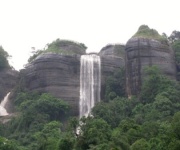
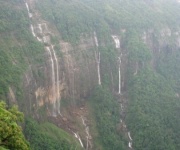
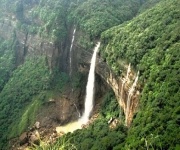
Wah Kaba Falls is another scenic stop where water descends along a dramatic cliffside. Nohkalikai Falls, near Sohra, is one of the region’s best-known viewpoints and is especially impressive after rainfall. The viewing area is more accessible than many of the trekking sites, making it suitable for travellers with a limited amount of time.
Mawsmai Cave offers a different experience, with limestone formations and narrow passages. Comfortable footwear is essential, as sections can be wet and uneven. Visitors who want a quieter cave experience may consider other cave systems in the wider region, but these often require extra driving and more time.
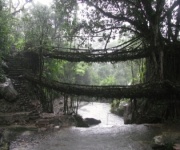
The living root bridges near Nongriat are a separate trekking experience rather than a quick roadside attraction. Reaching the famous double-decker bridge involves hundreds of steps each way and can take several hours, depending on fitness and rest breaks. If this is a priority, reserve a full day or stay near Tyrna instead of trying to fit it into a rushed Shillong transfer.
For broader planning, travellers can review the site’s travel resources for related information about attractions, accommodation, and regional travel arrangements.
Practical Preparations For The Drive
Pack for changing conditions rather than relying on the forecast for Shillong alone. Sohra can be cooler, windier, and far wetter than the starting point. A light waterproof jacket, a compact umbrella, quick-drying clothes, and shoes with good grip are useful throughout the year.
Carry drinking water and a few snacks, particularly if you intend to take a less direct route or visit remote attractions. Food is available in and around Sohra, but choices may be limited near viewpoints and trekking trailheads. Small notes and some cash can also be helpful for roadside refreshments, entrance fees, parking, and local guides.
Keep your phone charged, but do not depend entirely on mobile data. Network coverage can vary along valleys and rural stretches. Downloading maps in advance, saving your hotel’s contact details, and sharing your itinerary with your driver can make the journey smoother.
Road Trip Essentials
- Wear closed, slip-resistant shoes for waterfalls, caves, and uneven viewpoints.
- Carry a waterproof layer, spare socks, and a small bag for wet clothing.
- Keep motion-sickness medication available if winding hill roads affect you.
- Bring identification, booking details, cash, and a power bank.
- Leave space in the schedule for rain, traffic, photographs, and short village stops.
Booking A Smooth Shillong Transfer
Travellers arriving at Shillong Airport should remember that the airport is in Umroi, outside the city centre. The transfer to Cherrapunjee can therefore take considerably longer than the standard Shillong-to-Sohra estimate. Arrange the airport pickup in advance if your flight arrives late, and provide the full accommodation address rather than only saying “Cherrapunjee.”
Those arriving by air at Guwahati usually need to travel onward to Shillong first, unless they arrange a direct Guwahati-to-Sohra transfer. The longer drive can be convenient for a multi-day itinerary but should be planned with a realistic arrival time. A stop in Shillong before continuing to Sohra may be more comfortable after a late flight.
Accommodation location also affects the final leg. Hotels in central Sohra are easy to reach by the main road, while resorts near Nongriat, Laitkynsew, or other outlying areas may require additional driving and walking. Ask whether the property has parking and whether the access road is suitable for larger vehicles during heavy rain.
A well-planned route can turn a short intercity transfer into the first memorable part of a Meghalaya holiday. Reserve a reliable vehicle through Cherrapunjee.net, build in time for the valley viewpoints, and begin your journey from Shillong prepared for changing mountain weather and road conditions.