





A Budget Weekend in Cherrapunjee: Waterfalls, Caves and Local Life
Cherrapunjee, also known as Sohra or Cherrapunji, is one of Meghalaya’s most rewarding short-break destinations. Within a compact area, you can see immense waterfalls, limestone caves, misty valleys, forest trails and living root bridges shaped over generations by Khasi communities. A carefully planned two-night stay can feel full and adventurous without requiring a luxury resort budget.
For travellers coming from Australia, the practical route usually begins with an international flight to a major Indian city such as Delhi, Kolkata or Guwahati. Guwahati is the most useful gateway for Meghalaya, while Shillong is the main regional base before the final drive to Cherrapunjee. Australians should check current Indian visa requirements before departure and allow extra time for domestic connections.
The key to saving money is to treat the weekend as a focused regional escape rather than trying to cover every attraction in Meghalaya. Share a vehicle, choose a simple guesthouse, carry some snacks and group nearby sights together. The result is a realistic three-day itinerary that leaves room for weather delays, slow scenic drives and the kind of unplanned tea stop that makes travel memorable.
Choose The Right Travel Window
Cherrapunjee is famous for heavy rainfall, particularly between June and September. The monsoon turns the hills vivid green and gives waterfalls their greatest volume, but rain can reduce visibility, make steps slippery and cause delays on winding roads. If dramatic falls are your priority, travelling in the wet season can be worthwhile, provided you accept a flexible schedule.
October to April generally offers more comfortable conditions for walking and sightseeing. November through February can bring cool mornings and clear valley views, although the temperature may feel surprisingly crisp if you have come from Brisbane or Darwin. March and April are often pleasant for outdoor activities, with warmer afternoons and fresh vegetation.
A budget weekend works best when your arrival and departure times are realistic. Reaching Guwahati late at night and attempting to drive straight to Cherrapunjee can turn a short holiday into an exhausting transfer day. An overnight near Guwahati or Shillong may cost a little more, yet it can protect the main sightseeing time if your flight from Melbourne, Perth or Sydney arrives after dark.
Plan The Route From Guwahati
The road from Guwahati to Cherrapunjee takes several hours, depending on traffic, weather and stops. Shared taxis can reduce the fare, but they may leave when full and offer limited flexibility with luggage. A private car with driver costs more overall, although the price becomes reasonable when divided among three or four travellers.
Many visitors travel via Shillong, stopping for breakfast or an overnight stay before continuing to Sohra. This route gives you access to ATMs, supermarkets and a wider range of affordable accommodation. It also offers an opportunity to buy essentials before reaching the smaller hill settlements, where choices can be limited.
Keep some cash in Indian rupees because small cafés, village stalls and local taxis may not accept cards. Australian travellers accustomed to tapping a card at every café in Melbourne or using a digital wallet at a Sydney weekend market should carry smaller notes here. UPI payments are widespread in India, but setting one up as an overseas visitor may not be straightforward.
Spend Two Nights In A Practical Base
Staying near Sohra’s central market area is usually the most convenient budget choice. Basic guesthouses, homestays and modest hotels can place you close to restaurants and shops, while properties farther from town may offer better views but require extra transport. Compare the total cost of accommodation plus daily vehicle hire rather than choosing a room solely by its nightly price.
A simple room with an attached bathroom may be enough for a short stay. Ask whether hot water, breakfast, heating, power backup and Wi-Fi are included, since facilities vary. Rain and cool evenings make hot water particularly valuable. A homestay can also provide a more personal experience and may include Khasi dishes or advice about local walking routes.
For a two-night weekend, reserve the first night in Cherrapunjee and keep the second night flexible only if travelling in an uncertain weather period. During busy holidays and peak travel months, book ahead. Australians used to comparing hotel rates through large booking platforms should also check whether a direct call or local travel operator offers a better rate, especially for a combined room and transport package.
Build A Compact Waterfall Day
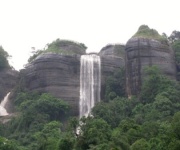
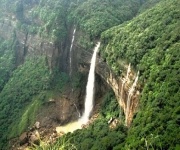
Begin the first full day at Nohkalikai Falls, one of the region’s most recognisable viewpoints. The deep blue-green pool and tall plunge are particularly impressive after rain, though clouds may partly hide the surrounding escarpment. Go early to enjoy softer light and fewer visitors, then continue towards nearby viewpoints rather than paying for repeated long drives.
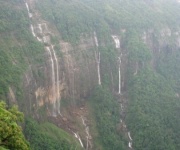
Seven Sisters Falls, also called Nohsngithiang Falls, is another major stop and is especially striking during the monsoon. The water drops over a broad cliff face, although the flow may be much thinner in the dry season. Duwan Sing Syiem Viewpoint can be added if visibility is good, giving you a wide perspective across the layered hills.
Group these sights with Mawsmai Cave, a manageable limestone cave close to the main tourist circuit. Wear shoes with reliable grip and expect uneven, damp surfaces. If you have time and energy, Arwah Cave offers a quieter alternative with a forest walk and fossil-marked limestone formations, but it requires more effort and may be less suitable in heavy rain.
Make Room For A Living Root Bridge
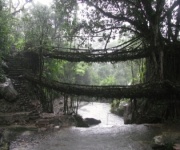
The living root bridges near Nongriat are among Meghalaya’s most memorable experiences, but they are not a quick roadside attraction. Reaching the famous Double Decker Living Root Bridge involves a steep descent and a demanding return climb, with thousands of steps in sections. It is best treated as a full-day trek rather than squeezed into a rushed waterfall itinerary.
Start early, carry at least two litres of water per person and bring food from Sohra if you are travelling on a tight budget. Small stalls may operate along the route, but supplies and opening times are not guaranteed. A lightweight rain jacket, dry bag, insect repellent and a spare pair of socks can make the walk far more comfortable.
Visitors who want a gentler weekend can choose a shorter forest walk or visit a more accessible root bridge in the surrounding region. Discuss trail conditions with your driver, accommodation host or guide before setting out. The route can become slippery after rain, and a local guide is useful for navigation, timing and respectful interaction with village communities.
Save On Transport And Meals
Transport is usually the largest part of a Cherrapunjee weekend budget. Before accepting a quote, clarify whether it covers fuel, parking, the driver’s allowance, sightseeing stops and return travel. A shared taxi or a small group booking can reduce the per-person cost substantially. The local transport guide is useful when comparing taxis, shared vehicles and practical ways to move around the area.
Avoid planning an itinerary that crosses the same roads repeatedly. A sensible route might combine Nohkalikai, Seven Sisters Falls, Mawsmai Cave and a nearby viewpoint on one day, then reserve the second day for Nongriat or a shorter local excursion. This saves fuel and reduces the risk of paying a driver to wait while you make long stops.
Meals are affordable when you eat where local residents eat. Rice, dal, vegetables, eggs, noodles and simple Khasi dishes are filling and usually cheaper than meals at resort restaurants. Keep breakfast uncomplicated, refill water where safe and carry bananas, biscuits or roasted snacks for drives. The experience is different from buying a flat white and avocado toast at a Melbourne café, but the local food is part of the destination.
Respect Weather, Culture And The Landscape
Meghalaya’s weather can change rapidly, so pack for wet conditions even during a normally drier month. A waterproof jacket is more useful than a small umbrella on exposed trails, while quick-drying clothing, sturdy sandals or walking shoes and a dry bag protect electronics. Australians should remember that tropical rain in the hills can be persistent rather than a short afternoon shower familiar from many coastal parts of Queensland.
Dress modestly when visiting villages, churches and community-managed attractions. Ask before photographing residents, homes or ceremonial places, and follow signs around caves, forests and waterfalls. Remove shoes where requested, keep noise low and avoid leaving food packaging behind. Tipping is not handled exactly as it is in Australia; it is optional rather than an automatic percentage, though a small amount for attentive service is appreciated.
Swimming at waterfalls should be approached carefully. Strong currents, slippery rocks and sudden changes in water level can make attractive pools dangerous. Never climb over barriers for a better photograph, and follow local warnings during the monsoon. Travel insurance should cover trekking, road travel and medical evacuation, particularly for visitors undertaking the Nongriat descent.
Use A Simple Weekend Budget
Excluding international flights, a modest two-night trip can be planned around accommodation, local transport, food and entry fees. Costs vary by season and group size, but sharing a private vehicle is usually far better value than travelling alone. A solo visitor may spend more on transport, while a group of four can divide the largest expense among everyone.
Allow a contingency for weather-related changes, an extra night, or a replacement taxi if a shared vehicle is unavailable. Indian rupee prices can also shift with holidays and demand, so treat online estimates as a starting point rather than a fixed quote. Checking the current AUD-to-INR exchange rate before departure will help you judge whether a bargain is genuinely good value.
A useful spending pattern is to reserve the largest share for transport, then choose clean mid-range budget accommodation and keep meals local. Avoid paying for several viewpoints that offer similar scenery when you could spend that money on a guide for a more meaningful walk. The best-value Cherrapunjee break is built around time outdoors, not expensive facilities.
With two nights, a good rhythm is arrival and a relaxed local meal on Friday, the waterfall and cave circuit on Saturday, and either Nongriat or a shorter village-and-forest outing on Sunday before returning towards Shillong or Guwahati. Leave generous travel time for the final road journey and keep your flight connection conservative.
Cherrapunjee.net can help you compare accommodation options, sightseeing routes and multi-day packages for a Meghalaya holiday. Contact India Beacons Sojourn to discuss a practical itinerary, shared transport or a longer stay if your schedule allows more than one weekend.