





How to Taste Traditional Khasi Cuisine on a Guided Food Walk
A guided food walk in Cherrapunjee, also known as Sohra or Cherrapunji, offers a delicious way to understand Meghalaya beyond its waterfalls and cloud-covered hills. Food here reflects Khasi relationships with forests, farms, rain, and community life. Meals are often simple in appearance, yet they carry distinctive flavours from smoked meat, fermented soybeans, local herbs, rice, and bamboo shoots. Learn more about Sitemap.php.
The experience is less about rushing between restaurants and more about learning how ingredients reach the plate. A local guide can explain which dishes belong to everyday Khasi cooking, which snacks are associated with markets and festivals, and how families preserve food during the wet season. Depending on the itinerary, the walk may include a market visit, small eateries, a tea stop, or a meal prepared in a local home.
Visitors should arrive with curiosity and a flexible appetite. Traditional food in Sohra may be strongly centred on pork, while vegetarian travellers can still find rice, greens, potatoes, lentils, seasonal vegetables, and carefully prepared meat-free dishes. Clear communication with the guide makes the walk comfortable, respectful, and more rewarding.
What Makes Khasi Food Distinct
Khasi cuisine is shaped by Meghalaya’s cool uplands and exceptionally heavy rainfall. Rice remains a central staple, usually served with meat, vegetables, pulses, or a flavourful broth. Pork is especially prominent, and many preparations use smoking, boiling, fermenting, or slow cooking rather than elaborate spice blends. The result is often savoury and earthy instead of intensely hot.
Bamboo shoot is another important local ingredient. Fresh or fermented bamboo adds a sharp, sour character to pork, fish, and vegetable dishes. Fermented soybean, known as tungrymbai, provides a deep, nutty aroma and can be served as a thick accompaniment. Guides help first-time visitors distinguish these flavours and understand why preservation methods are so valuable in a region where rain can affect travel and farming.
Khasi food should not be judged by restaurant-style presentation alone. A bowl of rice with a small portion of smoky pork, greens, and a fermented relish may appear modest, but the combination is balanced and filling. The best food walks focus on the relationship between dishes, ingredients, and the people who prepare them.
How A Guided Walk Usually Unfolds
A typical experience begins with a meeting point in or around Sohra, followed by a short orientation about local eating customs. The guide may take guests through a market or roadside food area where vegetables, rice, spices, smoked meat, and homemade preserves are displayed. This is a useful opportunity to observe the ingredients before tasting finished dishes.
The route can then move between family-run eateries, snack stalls, and a sit-down meal. Some walks include a host who demonstrates a recipe or explains how pork is smoked and how fermented foods are stored. Others are built around a series of small tastings, allowing travellers to sample several dishes without committing to a large serving of one unfamiliar food.
A good guide adjusts the pace to the group. Eating in Meghalaya is often social, so there may be time for conversation rather than a tightly scheduled sequence of stops. Guests should ask whether the experience includes transport, bottled water, market purchases, a full meal, and tastings, since these details vary between operators.
Dishes And Flavours To Seek Out
Jadoh is one of the best-known Khasi dishes. It is a rice preparation traditionally cooked with meat, often pork, and seasoned to create a rich, satisfying meal. The rice may take on a reddish or warm brown tone depending on the variety and cooking method. A guide can explain how jadoh differs from ordinary rice dishes and point out regional variations.
Doh khleh is another dish visitors may encounter. It is commonly made with boiled pork and onions, chillies, herbs, or other fresh additions. The texture and seasoning can vary widely, from mild and clean-tasting to sharper and hotter. For travellers who enjoy trying local specialities, it offers a direct taste of Khasi home cooking.
Tungrymbai deserves attention for its distinctive fermented soybean flavour. It may be served as a thick preparation alongside rice and vegetables, and its strong aroma can surprise people unfamiliar with fermented foods. Bamboo-shoot preparations, smoked pork, local greens, and seasonal pickles add further variety. Pukhlein, a sweet rice-flour snack, is a pleasant choice for a late-afternoon tasting with tea.
Food preferences should be discussed before the walk begins. Pork-free, vegetarian, and less-spicy options may be available, but they should be requested in advance rather than assumed. Guests with allergies should identify specific ingredients, especially fermented products, mustard oil, bamboo shoot, fish, and nuts.
Eating With Care And Respect
A food walk is also a cultural activity, so table manners and photography deserve attention. In a family home or small local establishment, wait for the host or guide to indicate where to sit and how a shared dish should be served. Asking before photographing people, kitchens, or food preparation shows courtesy and often leads to a more genuine exchange.
Meals may be eaten with a spoon, fork, or by hand depending on the setting. There is no need to imitate others immediately; a guide can explain local practice without making the moment awkward. Taking small portions first is sensible, particularly when trying fermented or strongly smoked food for the first time. Guests can return for more if they enjoy it.
Food hygiene remains important in any destination. Choose experiences that use clean serving areas, fresh ingredients, and safe drinking water. A guide should be able to identify reliable stalls and explain which market foods are best eaten hot. Carrying hand sanitiser and avoiding unfamiliar raw items can help sensitive travellers enjoy the walk with greater confidence.
Respect also means recognising that Khasi cuisine is living culture rather than a performance created for visitors. A recipe may differ between households, and an ingredient described as traditional may have many local versions. Listening to the host’s explanation is more valuable than searching for a single “authentic” formula.
Comparing Different Food Walk Styles
The right format depends on whether the priority is tasting, learning, comfort, or meeting local residents. A market-centred walk may offer more variety, while a home-hosted meal usually provides deeper context. Travellers staying in Sohra for several days can choose one style early in the trip and leave time to revisit favourite dishes later.
| Food walk style | What you may experience | Best suited to | Points to check |
|---|---|---|---|
| Market and snack walk | Local produce, tea, savoury bites, sweets, and vendor stories | First-time visitors and light eaters | Meeting point, walking distance, hygiene standards |
| Traditional meal visit | Several Khasi dishes served together in a home or local dining space | Travellers seeking cultural depth | Dietary requests, meal size, photography rules |
| Restaurant tasting route | Curated portions of familiar and regional dishes | Guests who prefer comfort and seating | Restaurant selection and included dishes |
| Cooking-focused experience | Ingredient preparation, demonstrations, and a shared meal | Food enthusiasts and families | Class duration, participation level, transport |
| Evening food outing | Dinner dishes, warm drinks, and a relaxed local atmosphere | Couples and small groups | Return transport and operating hours |
A private walk generally allows more control over spice levels, dietary restrictions, and the number of stops. A small-group outing can be livelier and more affordable, though the menu may be less flexible. In either case, choose a host who can describe the food clearly and avoid treating local communities as a backdrop for photographs.
Planning Your Tasting Experience
Weather should shape the day. Sohra is famous for intense rain, and slippery paths or sudden showers can make a market route slower than expected. Comfortable walking shoes, a light waterproof layer, and a small umbrella are practical additions. It is also wise to avoid arriving extremely hungry, since the first stop may involve a short wait or a small tasting rather than a complete meal.
Schedule the walk after a gentle sightseeing activity rather than immediately following a heavy hotel breakfast. Waterfalls, caves, and viewpoints can take up much of the day, while a food experience benefits from unhurried attention. If you are travelling with children or older relatives, ask about seating, toilet access, and the total walking distance.
Before booking, confirm the details in writing. Cherrapunjee travel resources can help you understand nearby attractions and build a wider itinerary around your meal experience. Ask the operator whether the walk begins in Sohra itself, whether transfers from a resort are included, and whether the route changes during heavy rain or local holidays.
Useful preparation includes:
- Tell the guide about allergies, religious restrictions, pregnancy, medical conditions, or a preference for vegetarian food.
- Carry a reusable water bottle, hand sanitiser, tissues, and a small amount of cash for optional market purchases.
- Wear shoes with a firm grip and clothing suitable for cool, wet weather.
- Request explanations of unfamiliar ingredients before tasting fermented, smoked, or very spicy dishes.
- Allow extra time for conversation, photographs with permission, and unexpected changes caused by rain.
Turning A Meal Into A Meghalaya Memory
The most rewarding part of a Khasi food walk is often the story attached to a dish. A guide may explain how a family preserves pork, why a particular rice preparation is served at gatherings, or how market ingredients change with the season. These details turn a meal into a way of understanding Khasi identity and the landscape around Sohra.
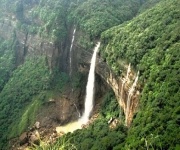
Food can also add balance to a Cherrapunjee holiday. After visiting Nohkalikai Falls, exploring Mawsmai Cave, or walking toward a living root bridge, a local meal offers a slower way to experience the region. It brings attention back to ordinary routines: shopping, cooking, sharing, and welcoming visitors.
Reserve a guided food walk through a trusted Cherrapunjee tour provider and mention your dietary needs at the time of booking. With the right route, a receptive guide, and an appetite for unfamiliar flavours, your time in Sohra can include a memorable taste of Meghalaya that continues long after the rain has passed.