





How to Travel from Guwahati to Cherrapunjee by Bus and Car
The journey from Guwahati to Cherrapunjee, also called Sohra or Cherrapunji, links Assam’s largest city with Meghalaya’s cloud-covered plateau. It is a popular overland route for travellers arriving at Lokpriya Gopinath Bordoloi International Airport, particularly those planning waterfalls, caves, viewpoints and living root bridges.
The distance is roughly 145 kilometres by road, although travel time depends heavily on traffic, roadworks, weather and stops. A private car generally takes around five to six hours, while a bus journey with a change in Shillong can take six to eight hours or longer.
For Australians, the route is manageable with a little preparation. Travellers used to booking a Great Ocean Road drive or a Queensland hinterland escape may find the Indian road experience busier and less predictable, but the mountain scenery is rewarding. A well-planned transfer also makes it easier to begin a two- to seven-night Meghalaya holiday without rushing.
Understanding The Route
The usual road goes from Guwahati towards Nongpoh and Umiam, continues through Shillong, and then follows the Shillong–Sohra road into the Khasi Hills. Umiam Lake is a striking early landmark, while the road after Shillong becomes more scenic as it passes pine forests, high viewpoints and deep valleys.
Although the distance looks modest on a map, average speeds are slower than many Australian visitors expect. Congestion around Guwahati and Shillong can add significant time, and mountain roads require careful driving. A trip that looks like a four-hour transfer may take most of a day once airport pickup, meal breaks and traffic are included.
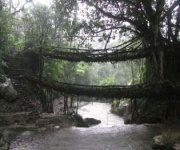
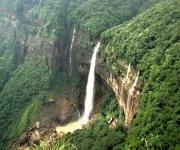
Sohra is the main base for attractions such as Nohkalikai Falls, Seven Sisters Falls, Mawsmai Cave and the Mawlynnong area. Some sites are spread across the plateau, so reaching Cherrapunjee is only the first part of the transport plan. If you are staying in a resort outside the town centre, confirm whether the property offers pickup or local sightseeing vehicles.
Travelling By Bus
Buses from Guwahati to Shillong are the most economical public transport option. Services may leave from major bus terminals such as the Inter State Bus Terminus, while some private operators use different pickup points. Timetables and departure locations can change, so check locally on the day before travelling rather than relying only on an old online schedule.
There are usually more options between Guwahati and Shillong than from Guwahati directly to Sohra. The practical bus route is often to travel first to Shillong, then take a Meghalaya Transport Corporation service, local bus or shared vehicle towards Cherrapunjee. Shared sumos and other local cars can be quicker than ordinary buses, although they may depart when full and provide less luggage space.
Buses suit independent travellers carrying a modest backpack and those comfortable with a flexible schedule. They are less convenient for families with young children, visitors carrying large suitcases or anyone landing late in the afternoon. Australian travellers who are used to tapping on with a transport card in Melbourne or Brisbane should carry small Indian rupee notes, as local ticketing is generally cash-based.
Hiring A Car With Driver
A private car with a local driver is the easiest option for most visitors. The driver can collect you at Guwahati airport, manage the mountain route and stop at viewpoints or roadside cafés when conditions allow. A pre-arranged transfer also avoids moving luggage between a Guwahati bus, a Shillong vehicle and a final Sohra connection.
Ask whether the price includes fuel, tolls, driver expenses, parking, sightseeing detours and return travel. Some quotes cover only a one-way transfer, while others are calculated as a full-day or multi-day vehicle hire. Confirm the vehicle size as well: a compact car may be fine for two people with soft bags, but four adults with hard-shell luggage will need more room.
A driver familiar with Meghalaya is especially useful during monsoon conditions. Heavy rain can reduce visibility, create slippery sections and affect waterfalls, caves and smaller roads. Your driver or local operator can also advise whether a particular attraction is sensible on the day, which is valuable when weather changes quickly.
Leaving Guwahati Airport Or City
If you fly into Guwahati, allow time to collect luggage, withdraw cash and meet your driver before starting the mountain transfer. The airport is outside the central city, so a journey that begins there may take longer than one starting near the main railway station or a city hotel. Airport pickup should include your flight number and a clearly agreed meeting point.
Travellers arriving by train may spend a night in Guwahati before heading towards Meghalaya. This can be useful after a long international itinerary from Australia, especially if your flight arrives late or you want to exchange money and buy essentials. A rested morning departure is often more comfortable than attempting the entire transfer after an overnight journey.
For a Brisbane traveller, the route can feel like combining an airport transfer with a long hinterland drive in one day. Someone arriving from Sydney or Melbourne may also need to account for domestic connections, immigration and possible flight delays. Build a buffer into your plans rather than booking a non-refundable sightseeing activity immediately after your scheduled arrival.
Stops And Sights Along The Way
Umiam Lake is one of the most appealing stops between Guwahati and Shillong. Its broad reservoir, surrounded by green hills, provides a welcome break after the busier lowland roads. Depending on your departure time, you may stop for photographs or a simple meal before continuing towards Shillong.
Shillong itself can be used as an overnight stop or a transfer point. Police Bazaar and nearby areas offer restaurants, shops and accommodation, while viewpoints around the city provide a first look at Meghalaya’s hill landscape. If your schedule permits, a night in Shillong can make the onward trip to Sohra calmer and give you time to explore local markets.
Once you approach Cherrapunjee, the scenery becomes a major part of the experience. Roads pass through forest, open plateau and dramatic escarpments, with cloud and rain often changing the appearance of the valleys. Travellers who enjoy planning varied nature holidays may also appreciate the contrast with a relaxed Thailand beach guide, but Sohra requires more walking, layers and weather planning than a resort coastline.
Choosing The Best Travel Time
October to April is generally more comfortable for clearer views, easier road conditions and outdoor sightseeing. November through February can feel cool, particularly in the mornings and evenings, even though Meghalaya is not an alpine destination. Pack a light waterproof jacket and warm layer rather than assuming a tropical climate means hot weather everywhere.
The monsoon months bring the lushest landscapes and powerful waterfalls, but rain can be intense. Cherrapunjee is famous for extreme rainfall, and conditions may affect road travel, cave visits and living root bridge walks. If you travel between June and September, allow extra time and confirm attraction access before setting out.
Leave Guwahati early whenever possible. Morning departures reduce the chance of reaching Shillong during the busiest periods and leave more daylight for the final mountain section. Avoid planning a demanding trek immediately after arrival; use the first afternoon to check into your accommodation and recover from the transfer.
Road etiquette and comfort are different from Australia. Overtaking, horns and mixed traffic are common, and a driver may use the horn as a warning rather than as an expression of anger. Seat belts should be used whenever available, and travellers prone to motion sickness should sit near the front, avoid heavy meals before departure and carry medication.
Practical Planning Before Departure
Book the transfer through a reputable local operator or accommodation provider, especially in peak periods, weekends and Australian school holidays. The Australian market generally expects clear package inclusions, responsive communication and straightforward cancellation terms, so request these details in writing before paying a deposit.
A two-night visit can cover the main Sohra highlights, but three to five nights gives you more time for waterfalls, caves, village visits and weather delays. A useful example is this five-day Sohra itinerary, which can help you judge how much time to allow beyond the initial road transfer.
Keep your passport, Indian e-visa details, accommodation confirmations and emergency contacts accessible. Australian visitors should check current entry rules through official Indian and Australian government sources before departure. Meghalaya generally does not require the same type of inner-line permit used in some other Indian regions, but local registration and accommodation requirements can change.
- Confirm the exact Guwahati pickup point, departure time and driver contact.
- Ask whether the quoted fare includes fuel, tolls, parking and sightseeing stops.
- Carry cash in small denominations for food, tickets and local transport.
- Use soft luggage where possible, as bus storage and smaller vehicles may be limited.
- Pack a waterproof jacket, comfortable walking shoes, insect repellent and basic medication.
- Check the weather and road conditions again on the morning of travel.
- Save your hotel address in both English and a phone-accessible offline format.
A direct private car is usually best for convenience, families and travellers with limited time. Bus and shared-car combinations suit budget-conscious visitors who are happy to travel slowly and adjust plans. Whichever option you choose, keep the first day flexible so a delayed departure does not disrupt your whole Meghalaya itinerary.
To arrange a comfortable journey from Guwahati to Cherrapunjee, contact India Beacons Sojourn through Cherrapunjee.net with your arrival details, preferred transport style, hotel location and number of nights. A local team can help match the transfer with a wider Meghalaya package and organise the vehicle, accommodation and sightseeing schedule together.