





How to visit Nohkalikai Falls like a local
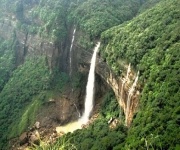
Nohkalikai Falls is one of the most memorable places to see around Sohra, the destination widely known as Cherrapunji or Cherrapunjee. Water drops dramatically from a forested plateau into a vivid blue-green pool, while mist, cloud and changing light give the landscape a different character throughout the day. The viewpoint is easy to reach, but experiencing it well requires more than arriving, taking a photograph and leaving.
To visit Nohkalikai Falls like a local, build your day around weather, road conditions and unhurried views. Arrive before the busiest period, carry practical rain gear, respect village customs and allow enough time for nearby attractions. A little preparation makes the difference between a rushed sightseeing stop and a rewarding Meghalaya experience.
Sohra receives some of the heaviest rainfall on Earth, although the famous monsoon months are not the only time worth visiting. The waterfall’s flow, surrounding greenery and visibility can change quickly, so flexible planning is valuable in every season.
Start from Sohra at the right pace
Nohkalikai Falls lies a short drive from the main Cherrapunji area, making it convenient to include in a full-day sightseeing circuit. Most visitors reach the viewpoint by hired car or taxi from Shillong, Sohra town or a nearby resort. A private vehicle gives you greater control over stops and lets you wait for a break in the cloud instead of following a strict departure schedule.
Leave early if you want quieter viewing conditions. Morning light can reveal the depth of the gorge, while the first hours of the day often feel calmer before tour groups arrive. The exact visibility depends on cloud cover, but early travel also leaves time for other attractions such as Mawsmai Cave, Seven Sisters Falls and the Eco Park.
The drive from Shillong takes several hours, depending on traffic, roadwork and weather. Treat the journey as part of the destination rather than trying to fit too many stops into one day. Staying in Sohra the previous night is especially useful for travellers who want to see the waterfall before continuing towards other parts of Meghalaya.
Choose the season with realistic expectations
The monsoon brings powerful water flow and intensely green scenery. From June through September, Nohkalikai Falls can look especially dramatic, but heavy rain may obscure the view, make paths slippery and cause temporary travel delays. The waterfall may be at its most forceful during this period, yet a clear photograph is never guaranteed.
October to April generally offers more comfortable sightseeing conditions and better opportunities for long-range views. The landscape remains attractive after the rains, and cooler, drier weather makes it easier to combine the falls with caves, viewpoints and village walks. Winter mornings can be chilly, particularly when wind moves across the plateau.
Visibility can change within minutes in Sohra. Do not assume that a cloudy arrival means the view is lost for the day. Wait briefly, watch the movement of the mist and ask local drivers or accommodation staff whether the clouds are likely to lift. A flexible itinerary is often more useful than choosing a season based only on photographs.
Spend time at the viewpoint
The main viewing area provides the classic panorama: a narrow white ribbon of water descending from the cliff into the basin below. Take a moment to look beyond the waterfall itself. The layered hills, dark rock faces and dense vegetation explain why the scenery feels so expansive even from a formal viewpoint.
Keep behind barriers and use designated paths. Wet stone can be deceptively slippery, especially during rain, and leaning over railings for a better photograph is an unnecessary risk. If you use a tripod or pause for pictures, leave enough space for other visitors to pass and avoid blocking the best viewing points for long periods.
Local visits tend to be slower and less performative. Instead of chasing several angles, observe how the light changes across the gorge and listen to the wind and falling water. If the viewpoint is crowded, step aside, enjoy the surroundings and return after some groups have moved on.
Nohkalikai Falls is associated with a tragic Khasi legend about a woman named Ka Likai. The story is part of the cultural identity of the place and is often explained by local guides. Listen respectfully when it is shared, and avoid treating the legend as a prop for insensitive jokes or staged photographs.
Combine the falls with nearby sights
A well-planned Sohra circuit can include Nohkalikai Falls, Mawsmai Cave, Seven Sisters Falls, Eco Park and other viewpoints. These sites are close enough to combine by car, but distances on a map do not fully reflect the time needed for queues, rain, walking and photography. Select a few meaningful stops instead of trying to collect every attraction in one afternoon.
Mawsmai Cave is a popular limestone cave with narrow passages and uneven surfaces. Wear shoes with firm grip and expect damp rock. Seven Sisters Falls is strongly influenced by rainfall and may appear as separate streams descending the cliff face, while Eco Park offers broad views and a more open setting for a relaxed break.
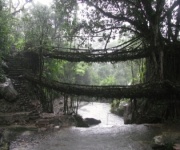
Travellers who want a longer cultural and nature itinerary can explore living root bridges, forest trails and villages around the Khasi Hills. A multi-day Cherrapunji tour package can be useful when you prefer arranged transport, accommodation and sightseeing rather than coordinating every journey independently.
| Planning factor | Practical local approach | Why it helps |
|---|---|---|
| Departure time | Leave Sohra early | Reduces crowding and allows extra stops |
| Weather | Carry rain protection in every season | Clouds and showers can arrive suddenly |
| Transport | Use a local driver familiar with the route | Road conditions and viewpoints can change |
| Footwear | Choose shoes with reliable grip | Paths and cave floors may be wet |
| Sightseeing | Combine a few nearby attractions | Prevents a rushed, tiring itinerary |
| Photography | Wait for changing light and mist | Visibility can improve after a short pause |
| Conduct | Stay on marked paths and respect local stories | Protects safety, landscape and community values |
Pack for rain, wind and short walks
A compact waterproof jacket is more useful than a large umbrella on exposed viewpoints. Pack a small cover or dry bag for your phone, camera, wallet and travel documents. Even when the sky looks clear in Shillong, conditions can be wet and windy after reaching Sohra.
Wear lightweight clothing that dries reasonably quickly, with an additional warm layer for cool mornings. Shoes should be comfortable for vehicle transfers and short walks over wet ground. Sandals with smooth soles are a poor choice around slippery paths and cave entrances.
Bring drinking water and a few snacks, especially if your sightseeing circuit includes several remote stops. Local food stalls and small restaurants are available in the wider area, but choices may be limited outside busy centres. Carrying reusable essentials also reduces the amount of waste left at scenic locations.
A power bank is useful because photography, navigation and changing weather can drain a phone quickly. Mobile coverage may vary along hill roads, so save accommodation details, driver contact information and directions before leaving. The site’s broader travel information is a useful starting point for checking attractions and practical planning details before the trip.
Respect the landscape and local routines
Sohra is a living region, not simply a collection of scenic backdrops. Keep noise low near villages, do not enter private land without permission and ask before photographing residents, homes or religious spaces. Small acts of courtesy are particularly important when travelling through communities that receive visitors throughout the year.
Use bins where they are available, and take back wrappers or bottles when a disposal point is not nearby. Avoid touching plants, carving rocks or throwing objects into the gorge. Staying on marked trails helps protect vegetation and reduces erosion during the rainy season.
Local markets and food stops are part of the experience. Try regional dishes through reputable eateries, follow the guidance of your driver or host and allow service to happen at a relaxed pace. Meghalaya’s hill roads and weather can affect schedules, so patience is more practical than expecting every activity to run like an urban excursion.
A simple plan for the day
- Have breakfast early in Sohra and start for Nohkalikai Falls before the main sightseeing rush.
- Spend unhurried time at the viewpoint, allowing for a short wait if mist covers the gorge.
- Visit Mawsmai Cave or another nearby attraction only after checking your available time and weather.
- Keep a rain jacket, water, snacks, phone protection and cash in a small day bag.
- Return before poor visibility or heavy rain makes the hill roads more demanding.
Make the visit fit your wider Meghalaya trip
Nohkalikai Falls works well as part of a two- or three-night Sohra stay, but travellers with more time can explore the region at a gentler pace. Extra nights allow for living root bridges, forest walks, local villages and less crowded viewpoints. They also provide a buffer when rain interrupts a planned excursion.
Accommodation ranges from hotels and resorts to smaller guesthouses. Staying near Sohra reduces repeated driving from Shillong and makes early starts easier. Ask your property about breakfast timings, transport arrangements, road conditions and the best order for attractions on the day of your visit.
If you are travelling independently, reserve transport in advance during weekends, holidays and peak seasons. A local driver can help with route timing and recommend sensible meal stops, but you should still agree on the itinerary and waiting time before setting out. Keep some flexibility for weather-related changes.
Visitors arriving from outside India should review current entry, visa and permission requirements before building a Meghalaya itinerary. Travel documents, identification and accommodation information should be kept accessible during transfers. Planning these details early leaves more attention for the landscape once you reach Sohra.
A visit to Nohkalikai Falls becomes more memorable when it is treated as a complete hill-country experience rather than a quick photo stop. Set out early, allow the weather to shape your schedule, listen to local knowledge and travel with care. When the clouds part and the waterfall appears above its deep turquoise pool, the patience feels entirely worthwhile.
Plan your Sohra stay, arrange suitable transport and reserve time for Nohkalikai Falls along with the surrounding caves, parks and viewpoints. A thoughtful itinerary lets you enjoy the scenery safely while supporting the local places and people that make Meghalaya distinctive.