





How to Visit Dawki River for Crystal Clear Water
Dawki is one of Meghalaya’s most memorable day trips, known for the Umngot River, forested hills, suspension bridges, and a borderland setting unlike anywhere else in the state. On a bright, calm day, the water can appear so transparent that boats seem to float above the riverbed. This remarkable clarity is the main reason travellers add Dawki to a Cherrapunji holiday.
The town lies close to the Bangladesh border in Meghalaya’s West Jaintia Hills district. Most visitors reach it from Shillong or Cherrapunji, then continue towards Shnongpdeng, where riverside activities and stays are especially popular. The journey passes through winding mountain roads, villages, viewpoints, and changing landscapes, making the route part of the experience.
Timing matters if clear water is your priority. Rainfall, river current, sunlight, and sediment can change the appearance of the Umngot from one day to the next. A well-planned trip should therefore include a flexible schedule, suitable clothing, safe transport, and enough time to enjoy the river without rushing.
Getting To Dawki From Shillong Or Cherrapunji
Dawki is approximately 80 to 90 kilometres from Shillong, while the road distance from Cherrapunji, also called Sohra, is commonly around 80 to 85 kilometres. Travel times vary with road conditions, traffic, weather, and stops, but a private car generally takes about three to four hours from either destination. Shared taxis may cost less, although they usually offer less flexibility for sightseeing.
Travellers arriving through Guwahati normally continue to Shillong first or arrange a direct transfer, depending on their schedule. The drive from Guwahati to Dawki can take five to seven hours, so breaking the journey in Shillong is more comfortable for most holidaymakers. Starting early is useful because it leaves time for boating and allows you to return before mountain roads become dark.
A private vehicle with a local driver is often the most practical option. Drivers familiar with Meghalaya can manage narrow bends, identify worthwhile viewpoints, and adjust the route when rain or traffic causes delays. Travellers arranging a longer stay can compare Cherrapunji travel packages that include transport, accommodation, and nearby attractions.
Choosing The Best Season For Clear Water
The clearest views are generally associated with the drier months, especially from November to April. During this period, lower rainfall and calmer conditions can make the river appear bright turquoise or glass-like under direct sunlight. December to February is usually pleasant for sightseeing, though mornings can feel cool and the river area may be busy during popular holidays.
Late spring can also be rewarding, with comfortable daytime temperatures and strong sunlight. May and the early monsoon months bring greener scenery, but showers may begin to affect visibility and road conditions. From June through September, Meghalaya receives heavy rainfall, and the Umngot can become swollen, fast-flowing, or brown from suspended soil.
Clear water is never guaranteed on a particular date. A dry spell after rain can improve visibility, while a sudden shower upstream may change the river within hours. Check the local forecast and confirm boating conditions with your accommodation or driver before setting out. Scenic photographs are usually best in the late morning or early afternoon, when sunlight reaches the water.
Where To See The Umngot River Clearly
Dawki town provides access to the river and the famous Dawki bridge, but many travellers continue to Shnongpdeng for a more immersive riverside experience. Shnongpdeng is a village along the Umngot with camping facilities, homestays, boating points, and areas where the water is often photographed from above. The riverbanks are surrounded by wooded slopes and large exposed rocks.
The exact shade of the river changes according to depth, weather, and the angle of the sun. From a high viewpoint, the water may look emerald or blue-green; from a boat, it can appear almost transparent. Avoid judging the river only from a shaded bank, since reflected light and sediment are more visible in some sections than others.
The journey also offers opportunities to stop at small villages and viewpoints. Ask your driver to plan safe roadside stops rather than stopping on narrow bends. If you want a quieter atmosphere, visit early on a weekday and choose a riverside area away from the busiest boat launch points.
| Travel concern | Practical guidance |
|---|---|
| Best months | November to April usually offers the strongest chance of clear water |
| Main access points | Dawki town and Shnongpdeng village |
| From Shillong | About 80–90 km, commonly three to four hours by road |
| From Cherrapunji | About 80–85 km, commonly three to four hours by road |
| Ideal start time | Early morning for better daylight and a relaxed schedule |
| River activities | Boating, kayaking in suitable conditions, swimming only where locally permitted |
| Weather caution | Heavy rain can reduce clarity and make currents dangerous |
| Border awareness | Carry valid identification and remain within designated visitor areas |
Enjoying Boating And Riverside Activities
A traditional boat ride is the simplest way to appreciate the Umngot’s clear water. Boats are usually operated from designated points, and the ride may pass over shallow sections where stones and the sandy riverbed are visible. Wear a life jacket throughout the trip, even when the water appears calm. Follow the operator’s instructions about boarding, weight limits, and photography.
Kayaking and other water activities may be available around Shnongpdeng, depending on the season and local operators. Conditions can change quickly after rainfall, and a river that looks peaceful from the bank may have a strong current below the surface. Avoid entering the water without local guidance, particularly near deeper channels, rocks, rapids, or boat routes.
Swimming should be treated cautiously. Only use areas specifically considered safe by local guides, and do not swim during high water, poor visibility, or strong current conditions. Children need constant supervision near the riverbank. Waterproof phone cases, quick-drying clothing, sandals with a firm grip, and a change of clothes are useful additions to a day-trip bag.
Respect the river environment by carrying back plastic bottles, food wrappers, and disposable packaging. Keep music low near homes and campsites, avoid damaging vegetation, and never leave waste beside the water. The beauty of Dawki depends on keeping its banks clean and its visitor numbers manageable.
Border Location, Permits, And Local Etiquette
Dawki is a major land port between India and Bangladesh, which makes border awareness important. The formal crossing is separate from ordinary sightseeing areas. A visitor must not attempt to cross the international boundary outside authorised immigration procedures. Travellers entering Bangladesh need the appropriate passport, visa, and official clearance.
Indian citizens should carry a government-issued photo identity document, while foreign nationals should keep their passport, Indian visa, and relevant travel records accessible. Regulations and local access arrangements can change, so confirm current requirements with official authorities, your accommodation, or an established tour operator before travelling. Do not photograph sensitive border installations, security personnel, or restricted areas.
The region is home to Khasi communities with distinct customs and traditions. Dress modestly when visiting villages, ask before photographing residents, and follow instructions at religious or community sites. Purchasing snacks, handicrafts, or services locally can support families in Dawki and Shnongpdeng, provided transactions are respectful and prices are agreed clearly.
Mobile connectivity may be inconsistent along sections of the route. Download maps, save accommodation details offline, and carry some cash for transport, food, entry charges, and local activities. ATMs and card facilities may not be dependable in smaller settlements.
Building A Dawki Day Trip Or Overnight Stay
A day trip can work well when starting from Shillong or Cherrapunji. Leave early, travel through the Jaintia Hills, stop at selected viewpoints, enjoy a supervised boat ride, have lunch locally, and return before evening. This plan is convenient for travellers with limited time, although the long return drive can feel tiring after a full day outdoors.
An overnight stay in Shnongpdeng gives you a more relaxed experience. You can reach the river before day visitors arrive, enjoy changing light across the water, and spend more time exploring nearby villages. Riverside camps and homestays vary in comfort, so check whether your chosen accommodation provides private bathrooms, meals, electricity, parking, and reliable arrangements for activities.
Dawki can also be combined with nearby Meghalaya attractions over two or more days. Depending on the route, travellers may include Krang Suri Waterfall, Jowai, Nartiang, Mawlynnong, or other scenic areas. Avoid packing too many distant stops into one day; Meghalaya’s roads are beautiful but slow, and realistic travel times make the journey more enjoyable.
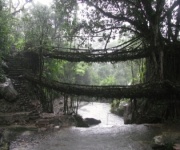
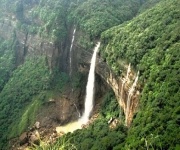
For a Cherrapunji-based itinerary, Dawki works well after exploring waterfalls, caves, viewpoints, and living root bridges around Sohra. Allow a full day for the river if photography and boating are important. This prevents the visit from becoming a rushed stop between several unrelated attractions.
What To Pack For The River
A small, practical day bag is better than heavy luggage. Bring sun protection, drinking water, insect repellent, a light rain jacket, comfortable walking shoes, and a dry set of clothes. Even in the drier season, weather can change quickly in Meghalaya, and wet rocks near the river can be slippery.
A reusable bottle helps reduce plastic waste, while a dry bag protects cameras, wallets, and documents during boating. Carry identification, booking information, basic medication, and cash in a waterproof pouch. A power bank is useful when travelling through areas where charging points are limited.
Smart Ways To Plan The Visit
- Travel between November and April when the likelihood of clear water is generally higher.
- Start early and use a local driver familiar with Dawki, Shnongpdeng, and changing road conditions.
- Confirm river safety and boating availability on the day, especially after rainfall.
- Carry identification, cash, sun protection, rainwear, and waterproof storage for valuables.
- Stay overnight in Shnongpdeng when you want quieter river views and more time for activities.
Dawki rewards travellers who allow the landscape to set the pace. The transparent Umngot, forested hills, village roads, and borderland atmosphere create a distinctive Meghalaya experience, while careful planning helps you enjoy it safely. Arrange your route, accommodation, and river activities in advance through a Meghalaya holiday plan, and make Dawki a memorable part of your Cherrapunji journey.