





How to Visit the Krem Phyllut Cave System
Krem Phyllut is one of Meghalaya’s more demanding underground adventures, suited to travellers who want to move beyond viewpoints and popular waterfalls. The name refers to a substantial cave passage in the Khasi-Jaintia limestone country, where monsoon water has carved chambers, tunnels and stream routes through the plateau. It is a very different experience from visiting a developed show cave with lighting, paved paths and handrails.
A visit requires practical planning because access, local guiding arrangements and underground conditions can change with the weather. Travellers based in Cherrapunjee, also known as Sohra or Cherrapunji, should treat the cave as a specialist excursion rather than an automatic half-day stop. The safest approach combines a local guide, a reliable vehicle, suitable equipment and enough time for delays.
Get familiar with the location
Krem Phyllut lies within Meghalaya’s wider limestone cave region rather than in the main Cherrapunjee town area. The exact approach is usually arranged through nearby villages and local contacts, and the final route may include narrow roads, rough tracks and a walk across uneven countryside. Mapping applications can help with general orientation, but they should not be treated as a complete access plan.
Road distances in Meghalaya can be misleading. A short-looking route may take much longer because of winding hill roads, rain damage, livestock, village traffic or temporary diversions. If you are staying in Sohra, allow a generous travel window and avoid scheduling a second tightly timed attraction on the same day.
The cave is best regarded as a wild or semi-wild system. Conditions inside may include mud, loose rock, pools, low ceilings and sections where progress depends on the guide’s knowledge of the route. The name, entrance point and navigable section can also be described differently by local operators, so confirm the intended cave and itinerary before leaving your hotel.
Choose a suitable season
The dry and comparatively stable period, generally from November to April, is the more practical time for a cave visit. Even then, rain can arrive unexpectedly in Meghalaya, and water levels underground may respond to storms that occurred some distance away. A clear morning at Cherrapunjee does not guarantee safe conditions inside a limestone cave.
The monsoon months bring the dramatic green landscape for which Sohra is famous, but they also produce fast-flowing streams, slippery tracks and a higher risk of rising water. Krem Phyllut should not be entered when heavy rain is forecast, when a local guide advises against it or when the approach involves flooded crossings. A cancelled outing is preferable to being caught in an active cave system.
Australian visitors may find the weather pattern unfamiliar. The wet season does not simply resemble a brief Melbourne downpour or a tropical shower in Cairns; rainfall can be intense, prolonged and highly localised. Check current forecasts with your accommodation and driver on the morning of the trip, and keep one flexible day in the itinerary for weather-related changes.
Travel from Cherrapunjee with care
For most visitors, a private vehicle is the most practical way to reach the cave area. Public transport can be useful between larger towns, but it may not match an early departure, a village meeting point or the return journey after an underground excursion. A local driver also brings valuable knowledge of road conditions, fuel stops and the latest access information. If you need a vehicle that can adapt to your interests, read this guide to customised Cherrapunjee tours before booking.
Discuss the full route rather than asking only for a “cave trip”. Confirm whether the price includes the driver’s waiting time, fuel, parking, guide coordination and any local transfer required near the entrance. Ask how long the walk from the vehicle is likely to take and whether the driver knows where the authorised guide will meet you.
Start early, particularly if the outing begins from Cherrapunjee and involves a long approach. Carry drinking water and snacks from town because village shops may have limited hours and stock. Prices are usually easiest to understand in Indian rupees; travellers comparing costs in Australian dollars should allow for changing exchange rates and avoid relying on card payments in remote areas.
Arrange a local guide and permission
A local guide is essential for route-finding, weather judgement and communication with communities near the cave. Underground passages can look deceptively similar, and a person who knows the system can identify unsafe water levels, unstable sections and routes that are unsuitable for inexperienced visitors. Independent exploration is inappropriate, even for confident cavers.
Ask the operator or accommodation host to clarify whether permission, an entry fee or village coordination is required. Meghalaya’s access arrangements are often community-based, and the person who opens a route or accompanies visitors may be different from the driver. Keep small denominations of rupees available for local payments, but request a clear explanation of each fee.
Carry identification and retain copies of travel documents at your accommodation. International visitors should check current Indian visa requirements before travelling, while all visitors should follow instructions from local authorities and community representatives. Rules can change after rainfall, conservation work or a recent incident, so information from an old blog post may no longer be reliable.
Pack for mud, water and darkness
Wear sturdy footwear with a firm sole and secure ankle support. Lightweight hiking shoes or boots that can cope with wet rock are more useful than fashionable trainers, while sandals and smooth-soled shoes are poor choices. Clothing should be quick-drying and comfortable when wet; long trousers help protect against scrapes, insects and rough rock.
Bring a headlamp with spare batteries, even if the guide carries lighting. A phone torch is a backup, not primary equipment, because battery life, water and drops can quickly become problems. A dry bag or waterproof pouch protects your phone, wallet, medication and copies of documents. Keep your passport in secure accommodation rather than taking it into the cave unless specifically required.
A small first-aid kit, personal medicines, water and high-energy snacks are sensible additions. Do not bring bulky backpacks, loose jewellery or valuable cameras that you cannot protect from mud and water. Gloves may help with rough surfaces, but they should allow good grip and should not replace careful movement.
Australians accustomed to well-marked national-park tracks should adjust expectations. This is closer to a guided wet-caving activity than a maintained bushwalk in the Blue Mountains or Dandenong Ranges. Travel insurance should explicitly cover adventure activities, underground excursions and medical evacuation, rather than assuming that a standard holiday policy covers every cave-related incident.
Understand the underground risks
The main hazards are changing water, slippery limestone, falls, low ceilings, fatigue and getting separated from the group. Move at the guide’s pace, keep three points of contact where necessary and avoid climbing beyond the agreed route. Never enter a flooded passage to “see how far it goes”, and never rely on a weather forecast alone when local residents advise caution.
Caves can affect people differently from ordinary hiking trails. Claustrophobia, cold water, darkness and awkward crawling sections may become stressful after several hours. Tell the guide about injuries, asthma, vertigo or other health concerns before entering. Visitors who are uncomfortable with confined spaces can enjoy Meghalaya’s open-air attractions instead without treating the cave as a test of endurance.
There may be little or no phone signal underground. Give your accommodation or driver a realistic return time and keep emergency contacts accessible outside the cave. If the group is delayed, the driver should know whom to contact and where to wait. Avoid splitting up, and make sure every member leaves with the group rather than assuming someone is behind you.
Add the cave to a wider Meghalaya trip
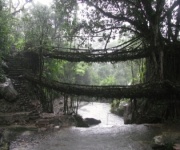
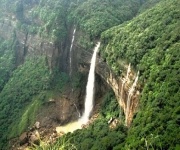
A Krem Phyllut outing works best within a multi-day Meghalaya itinerary. Combine it with time in Sohra for waterfalls, forest walks, viewpoints and local food, then allow a separate day for the cave if the approach is long. Popular places such as Nohkalikai Falls, Seven Sisters Falls, Mawsmai Cave and the living root bridges can fill other days without forcing every activity into one crowded schedule.
The region rewards an early start and a slower pace. Leave room for tea stops, village roads and conversations with local residents rather than planning the day like a city sightseeing circuit. Food options near remote cave approaches may be simple, so eat a proper breakfast and tell your driver about dietary needs in advance. Carry reusable bottles and pack out wrappers, batteries and all other waste.
Reliable connectivity is limited in parts of Meghalaya, which matters if you are extending the trip while working remotely. Before adding workdays to your stay, review this advice on internet and work spots, then download offline maps, booking details and emergency information. This is especially useful for travellers coming from Sydney, Brisbane or Perth who may assume mobile coverage will be as consistent as it is around Australian urban areas.
Respect local customs at villages and religious or community sites. Ask before photographing people, homes or ceremonies, dress modestly away from resort areas and follow requests about footwear or access. Tipping is not governed by one fixed Australian-style expectation, so ask your guide or host what is appropriate rather than making assumptions. A courteous attitude helps protect the welcome that makes guided cave travel possible.
Contact a reputable Meghalaya tour provider to check current access, guide availability, weather conditions and transport for Krem Phyllut. Share your preferred travel dates, fitness level and accommodation base so the itinerary can be planned honestly. With the right preparation, the cave becomes a memorable part of a carefully paced Cherrapunjee journey rather than an avoidable risk.