





How to Visit Krem Liat Prah in Meghalaya
Krem Liat Prah is one of India’s most remarkable underground destinations and one of Asia’s longest known natural cave systems. Located in the Jaintia Hills of Meghalaya, the cave stretches through the Shnongrim Ridge landscape, where limestone formations, forested hills and remote Khasi and Pnar villages create a very different experience from the waterfalls and viewpoints around Cherrapunjee, also known as Sohra or Cherrapunji.
This is an expedition rather than a standard sightseeing stop. Reaching the cave requires careful planning, a local guide, suitable equipment and enough time for changing weather and rural roads. Travellers from Australia can combine it with a Cherrapunjee holiday, but should treat the cave as a specialist excursion instead of assuming it can be added casually to a one-day itinerary.
Where Krem Liat Prah is located
Krem Liat Prah lies in the East Jaintia Hills area of Meghalaya, to the east of Cherrapunjee. “Krem” means cave in the local Khasi language, while “Liat Prah” is commonly translated in connection with the cave’s distinctive features. The system is associated with the Shnongrim Ridge, a limestone belt containing numerous caves, underground streams and chambers.
The cave is generally accessed from the Jaintia Hills rather than directly from Sohra. Jowai is an important regional base, although the final approach may involve smaller roads and rural settlements. Depending on the selected route, road conditions and the exact expedition entrance, reaching the area from Cherrapunjee can take much longer than a map distance suggests.
The cave system has been surveyed for more than 30 kilometres, making it one of the longest caves in India and among the longest known caves in Asia. Survey lengths can change as exploration continues, so it is better to describe Krem Liat Prah as a major cave system than to rely on a single fixed ranking. Its scale includes narrow passages, large chambers, underground waterways and sections that require technical caving skills.
Choose the right season and itinerary
The most practical period for a cave expedition is generally the drier season, from around November to April. Meghalaya receives very heavy monsoon rain, particularly in the Cherrapunjee region, and rainfall can make streams rise quickly, tracks become slippery and cave entrances or passages unsafe. Local guides should make the final decision about whether conditions are suitable.
A two- or three-night visit may work for travellers focusing on the wider Jaintia Hills, while a longer Meghalaya holiday allows time for both the cave region and Cherrapunjee’s better-known attractions. Packages of several nights can include waterfalls, caves, living root bridges and forest walks without forcing every day into a tight schedule.
Travellers arriving from Sydney, Melbourne, Brisbane or Perth should allow for a recovery day after the international flight and regional transfers. A route through Guwahati is often practical, followed by an overland journey into Meghalaya. Flight schedules, road travel times and weather can change, so building a buffer day is wiser than booking a same-day connection to a demanding cave outing.
The Australian winter from June to August can appear attractive for escaping cold weather, but it overlaps with Meghalaya’s wet season. A dry-season departure from Australia may offer better cave conditions, even if it means planning around school holidays, public holidays or higher airfares. Travel insurance should specifically cover trekking, caving and emergency transport rather than only ordinary sightseeing.
Arrange local access and expert guidance
Krem Liat Prah is not a developed tourist cave with paved paths, lighting, handrails or regular entrance tickets. Visitors should arrange access through an experienced local operator and confirm the current village permissions, guide requirements and safety rules before travelling. Community cooperation matters in rural Meghalaya, and an organised visit helps ensure that access remains respectful and sustainable.
A professional cave guide can assess water levels, identify safe routes, manage the pace and explain which sections are suitable for a particular group. Some areas may require rope work, swimming, crawling or specialist vertical-caving equipment. Ordinary tourists should never enter an unfamiliar passage alone, and a person who is uncomfortable in confined spaces should choose a different cave or a surface-based itinerary.
The approach may involve a combination of vehicle travel, walking over uneven ground and waiting for local conditions. Do not assume that a mobile phone will work near the entrance or underground. Give your itinerary to your accommodation, carry emergency contact information in waterproof form and make sure the operator knows about allergies, asthma, previous injuries or other medical concerns.
Road transfers around Meghalaya are part of the journey. For a useful explanation of local transport options before or after the expedition, read this guide to shared taxi routes. Shared sumos, local buses and hired cars operate differently from public transport in Australian cities, so allow time for departures to fill and for road conditions to affect the schedule.
Pack for wet, dark and uneven conditions
Cave clothing will become muddy and wet, even during the dry season. Wear quick-drying layers, sturdy shoes with reliable grip and clothing that allows unrestricted movement. Avoid jeans, loose scarves and cotton garments that remain cold when soaked. A lightweight fleece or warm layer can be useful because underground temperatures feel cool after hours in wet clothing.
Head protection and lighting are essential. A quality headlamp with spare batteries should be carried even if the guide supplies lighting, and a small waterproof torch is a useful backup. Protective gloves, knee protection and a dry bag can make the experience more comfortable. Equipment requirements vary by route, so follow the operator’s packing list rather than treating general travel gear as sufficient.
A sealed bag should protect your passport, phone, medication, cash and any camera. Australian travellers often rely on tap-and-go payments at home, but rural Meghalaya may require cash in Indian rupees for small purchases, local transport, meals and tips. Carry modest amounts securely and keep a separate emergency reserve.
Sun protection remains important during the approach, even when the cave itself is dark. Pack a hat, sunscreen, insect repellent and reusable water bottles. Australian bushwalking habits are useful here: tell someone your route, respect weather warnings, carry your own water and avoid leaving food wrappers or plastic in the forest.
Combine the cave with Cherrapunjee
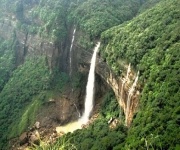
A visit to Krem Liat Prah works best as part of a broader Meghalaya itinerary. Cherrapunjee offers a convenient contrast, with dramatic escarpments, monsoon-fed waterfalls, limestone caves, forest trails and viewpoints across the Khasi Hills. Popular places such as Nohkalikai Falls, Mawsmai Cave and Arwah Cave are easier to access than Krem Liat Prah, although weather can still affect each visit.
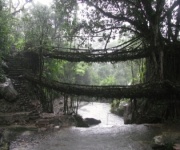
The living root bridges near Sohra provide another kind of underground-and-forest adventure. Made by guiding the roots of rubber fig trees across streams, they reflect generations of local environmental knowledge. Some walks include many steps and can be physically demanding, so placing them on a separate day from a serious caving expedition helps prevent fatigue.
Accommodation ranges from resorts and hotels near Cherrapunjee to simpler stays closer to rural attractions. A comfortable base in Sohra can provide easier access to restaurants, guides and transport, while staying nearer Jowai or the East Jaintia Hills may reduce the approach time for the cave. The best choice depends on the confirmed entrance and the operator’s meeting point.
Local etiquette is important. Ask before photographing residents, dress modestly in villages and follow instructions around sacred groves, forests and community-managed sites. Unlike a quick stop at a lookout near Melbourne or a national park drive outside Sydney, this journey passes through places where tourism is closely connected to village life and local stewardship.
Practical recommendations for a safe visit
- Book an experienced Meghalaya caving guide or specialist operator before arriving.
- Travel in the drier months and avoid entering during heavy rain or rising water.
- Confirm the route, village permissions, fitness requirements and equipment list in writing.
- Carry a headlamp, spare batteries, non-cotton layers, sturdy footwear and waterproof storage.
- Keep cash in Indian rupees because rural transport and small businesses may not accept cards.
- Allow extra days for road delays, weather changes and recovery after the expedition.
- Check Indian visa rules, travel insurance exclusions and emergency contacts before departure.
For Australians, an Indian e-Visa may be available depending on passport and travel purpose, but requirements can change. Apply through the official Indian visa channels, check passport validity and confirm whether the selected visa covers the full itinerary. Australian Medicare does not cover medical treatment in India, making comprehensive travel insurance particularly important for a remote caving trip.
The cave should be approached with patience rather than a checklist mentality. Conditions may mean that a planned underground route is shortened or postponed, and a responsible guide may recommend visiting a safer section instead. Surface attractions around the Shnongrim Ridge and Cherrapunjee can still create a rewarding day if water levels or access rules prevent the full expedition.
Plan Krem Liat Prah through a trusted local travel provider that can coordinate transport, accommodation, permissions and guides across Meghalaya. Contact Cherrapunjee.net to discuss a suitable multi-day package, combine the cave region with Sohra’s major attractions and arrange a journey that matches your experience, fitness and travel dates.