





How to Visit the Krem Liat Prah Cave System
Set among the rain-fed limestone hills of Sohra, the Krem Liat Prah cave system is one of Meghalaya’s most intriguing places to explore. Its Khasi name is usually translated as “cave of the five winds,” referring to currents moving through interconnected passages. Visiting reveals a quieter side of Cherrapunji: shadowy chambers, flowing water and mineral formations shaped over thousands of years.
The best visit uses a local guide and enough time to appreciate the cave without rushing towards the next waterfall. A guided walk suits most international travellers, while a longer Cherrapunji stay allows time for nearby viewpoints, other caves and living root bridges. This guide explains access, conditions and practical planning so the underground experience feels rewarding rather than uncertain.
Know What to Expect Underground
Most visitors reach the cave through Sohra, travelling east from the main Cherrapunji settlement through a landscape of forested ridges, terraced fields and wet cliffs. Krem Liat Prah forms part of Meghalaya’s extensive karst terrain, where rainwater moves through fractures in limestone and creates caves, springs and underground streams. Survey work has mapped several kilometres of passages, although a standard visitor follows only a limited section.
The tourist route includes chambers with stalactites, stalagmites, flowstone curtains and delicate calcite formations. A feature traditionally called the Five Winds is associated with air entering through several openings. These passages are not engineered like a formal show cave: there are no escalators, wide paved paths or guaranteed electric lighting throughout. Some stretches have steps, low ceilings and uneven surfaces, so a guide’s pace and instructions matter.
Allow around two to three hours for the guided visit, with longer if photography is a priority. Wearers of strong flashlights may be asked to lower them around particularly fragile formations. Touching mineral deposits can damage them, and collecting cave material is prohibited. It is best to follow local guidance closely and keep the visit focused on observation rather than climbing or squeezing into unopened passages.
Travel from Australia to Sohra
Travellers from Sydney, Melbourne and Brisbane usually connect through Delhi, Mumbai, Bengaluru or another Indian gateway before continuing to Shillong or Guwahati. Australian passport holders normally need an Indian tourist visa or e-Visa before arrival, and anyone transiting through a third country should check the relevant transit rules. Current visa eligibility, passport validity requirements and permitted length of stay should be confirmed through official Indian channels before flights are booked.
Cherrapunji does not have its own major commercial airport. Guwahati is often the easiest arrival point, with a road journey of roughly 100 kilometres taking about three hours in favourable conditions. Shillong’s airport is closer, but flight schedules are limited, and the drive to Sohra generally takes one and a half to two and a half hours. Mountain roads, heavy rain, construction and local traffic can extend either journey, so plan to arrive in daylight.
India drives on the left, unlike Australia, and mountain road conditions require more care than a standard Australian road trip. Most visitors should use an organised transfer rather than self-drive. Compare inclusions rather than price alone, checking whether transport, cave permissions, guide services, entrance charges and weather-related alternatives are covered. A broader comparison at Dexter Travels can help you review other travel options before settling on a Meghalaya itinerary.
See What Lies Beneath Sohra
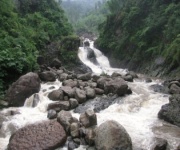
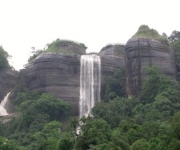
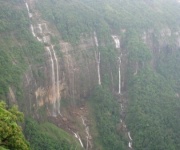
The online photo album offers a useful preview of the region’s caves, waterfalls and limestone scenery, although photographs cannot fully convey the darkness, sound or changing temperatures underground. At Krem Liat Prah, attention shifts from the enormous scale of Meghalaya’s cave formations to smaller details: thin straws of calcite, rippled flowstone and water tracing channels across the cave floor.
Cave conditions can change considerably with the season. During and after heavy rain, visitors may hear stronger water flows, encounter deeper puddles or notice droplets falling from the ceiling. Some passages contain narrow walkways and sloping rock beside streams, while others open into larger chambers where echoes carry between openings. Guides usually explain the geological processes and point out formations that are easy to miss without local knowledge.
Photography is generally welcome, but rules concerning flash, tripods and particular formations should be checked with the guide. Phone reception may be unreliable below ground, so download maps and carry a small flashlight even if a guide provides lamps. Visitors with respiratory conditions, severe claustrophobia or limited mobility should discuss the route with the operator beforehand, because the standard underground walk includes confined areas and uneven footing.
Prepare with a Practical Cave Checklist
A few inexpensive preparations make a major difference in Meghalaya’s wet, changeable environment. Pack light, secure and suitable for both cave paths and slippery village roads.
- Wear closed-toe trail shoes with grippy soles. The cave floor may include wet limestone, mud and shallow steps, making sandals and smooth-soled shoes a poor choice.
- Carry a small head torch as a backup, even when the operator supplies lamps. Spare batteries are useful, and a phone flashlight should not be the only light source.
- Pack a lightweight rain jacket, a warm layer and a dry bag for phones, passports and cameras. Cave entrances and walkways can become wet even when conditions outside appear dry.
- Bring drinking water, a light snack and any necessary medication. Small Indian rupee notes, photo identification and copies of your passport and visa are more useful than relying on cards at remote entrances.
- Allow a flexible schedule and confirm current opening arrangements, guide fees, permit procedures and weather conditions before travelling. Inform the operator about asthma, claustrophobia, mobility needs or children’s ages.
If intense rain closes the cave, treat the change as part of the plan rather than a wasted day. Sohra has viewpoints, markets and other attractions, although alternative caves can also close because of flooding or access conditions. Keep a second day available in a multi-night itinerary if the underground visit is a priority.
Respect Khasi Culture and Local Communities
Sohra has a predominantly Khasi population, with traditions shaped by Meghalaya’s distinctive social history. Khasi communities traditionally inherit property and family identity through the female line, and local religious life includes Christianity as well as other faiths. Visitors should dress respectfully at communities and religious places, ask before photographing ceremonies or individuals, and follow instructions concerning footwear or restricted areas.
Supporting local guides and locally owned lodges helps keep tourism income within the community. Many experienced guides have detailed knowledge of the caves, weather patterns and local trails. Tips are appreciated in some situations but are not presented as a mandatory condition of entry. At Sohra’s local market, ask the price before buying, check the change and carry smaller notes. Unlike large Australian supermarkets, small vendors may not accept foreign cards or even domestic cards consistently.
Connectivity and medical support are less predictable in mountain settlements than in major Australian cities. International roaming can be expensive, so an Indian SIM or supported eSIM may be useful, while cave areas may have no mobile signal. The national emergency number is 112, and 108 is used for ambulance assistance in many regions. Australian travel insurance covering medical treatment and evacuation is strongly advisable, with the emergency assistance number saved offline before departure.
Combine the Cave with Cherrapunji
A stay of two to seven nights gives enough flexibility to explore the wider Sohra and Shillong area. Sohra accommodation places you close to major waterfalls and viewpoints, while Shillong offers a wider selection of restaurants, pharmacies and road connections. Multi-day packages can include airport transfers, resort stays and guided outings, making them easier for visitors who do not know how to organise local transport independently.
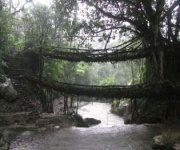
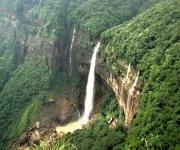
Popular places around Cherrapunji include Nohkalikai Falls, Nohsngithiang Falls, the Seven Sisters viewpoint, Arwah Cave and Dympep Valley. A longer itinerary can continue to Nongriat for its living root bridges and deeper cultural landscape. These places are affected by rain, landslides and maintenance, so confirm access locally instead of assuming every attraction will be open. Building one major activity into each day also prevents delays from winding roads or weather from consuming the entire schedule.
Cave enthusiasts may wish to add another cave such as Mawsmluh, but each site has separate access arrangements and walking conditions. A guide can adjust the order according to rainfall, opening hours and the group’s interests. Resort quality also varies, so ask whether rooms have hot water, reliable heating during cool periods, laundry facilities and transport included. These practical details often matter more in Meghalaya than the number of attractions listed in a package.
Book Your Krem Liat Prah Experience
A reliable booking should state the number of nights, accommodation category, meals, return transfers, guide arrangements, cave permissions and admission charges. Ask for a written itinerary showing how much time is allocated to Krem Liat Prah and what happens if heavy rain affects access. It is also useful to provide room requirements, dietary needs, children’s ages and mobility information when requesting availability.
India Beacons Sojourn operates the Cherrapunjee travel site and handles booking enquiries for Cherrapunji tours and vacation packages. To check options ranging from a short break to a week-long Meghalaya journey, contact the team with your preferred dates, party size and accommodation needs, then request written confirmation of the inclusions and current cave arrangements.