



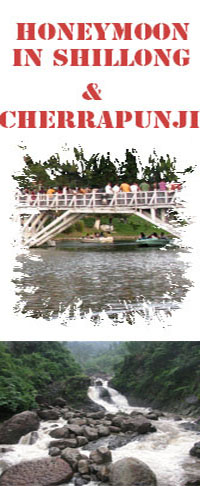
Visiting Mawsmai Falls In Meghalaya’s Dry Season
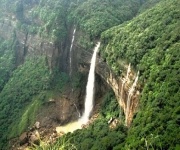
Mawsmai Falls is one of the easier waterfall stops to add to a Sohra, formerly Cherrapunjee or Cherrapunji, holiday. In the dry season, the water can be lighter than the dramatic monsoon images suggest, yet the surrounding limestone country, forest edges and nearby Mawsmai Cave still make the visit worthwhile. The quieter conditions can also make it easier to enjoy the landscape without rushing between viewpoints.
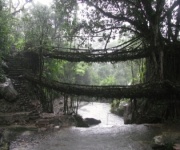
For Australian travellers, the most practical approach is to treat the falls as part of a broader Meghalaya itinerary rather than as a stand-alone attraction. A two- to seven-night stay gives you time for caves, living root bridges, viewpoints and other waterfalls, while a local driver or guide helps with changing road conditions and the distances between Sohra’s sights. Package details and regional planning information are available through Sohra tour planning.
| Consideration | Dry-season expectation | Best response |
|---|---|---|
| Water flow | Lower and less powerful than during the wet months | Focus on the setting, rocks and nearby attractions |
| Weather | Generally clearer, cooler mornings and occasional showers | Carry a light waterproof layer |
| Visitor numbers | Often calmer outside Indian holiday periods | Start early for a relaxed stop |
| Walking conditions | Usually easier underfoot, though rocks remain slippery | Wear grippy walking shoes |
| Sightseeing plan | Waterfalls may take less time to view | Combine Mawsmai Falls with Mawsmai Cave and other Sohra stops |
| Transport | Roads can still be slow over Meghalaya’s hilly terrain | Allow generous transfer time |
Choose The Right Months
The drier period generally runs from around November to April, although Meghalaya’s weather does not follow a perfectly fixed calendar. December, January and February are often comfortable for sightseeing, with crisp mornings and clearer skies. March and April can feel warmer in exposed areas, while afternoon cloud or a brief shower is still possible.
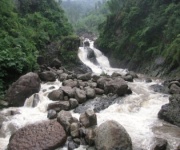
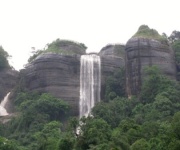
Dry season does not mean the falls will be completely dry. Flow depends on recent rainfall, local drainage and the year’s weather pattern. The waterfall may appear as a narrower stream over the rock face rather than a broad, forceful cascade. This makes the visit more about the surrounding gorge, vegetation and texture of the limestone landscape.
Australians used to planning around the Queensland dry season or a warm-weather road trip should expect a different rhythm here. A clear forecast in Sohra does not guarantee fast driving, and a short distance on a map can take much longer on winding hill roads. Build in spare time instead of trying to fit too many attractions into one arvo.
Travel From Shillong To Sohra
Most visitors reach Mawsmai Falls through Sohra, with Shillong serving as the main arrival point for many Meghalaya itineraries. Shillong has road connections from Guwahati, while travellers arriving by air commonly use Guwahati’s Lokpriya Gopinath Bordoloi International Airport before continuing by road. The drive from Shillong to Sohra is scenic, but traffic, bends, roadworks and village movement can affect the journey.
A private car with a local driver is usually the most comfortable option for overseas visitors. Shared vehicles can be economical, though they may follow less predictable schedules and provide less flexibility for stops. This matters when travelling with camera equipment, day packs or older family members who would prefer to avoid repeated changes of transport.
Australian visitors should also allow for the difference between a familiar self-drive holiday and travel in the Khasi Hills. Driving is on the left, as in Australia, but road behaviour, roadside activity and overtaking can feel very different. Hiring a local driver removes much of the stress and leaves you free to watch the ridgelines, villages and forested valleys.
Plan The Falls And Cave Together
Mawsmai Falls and Mawsmai Cave are close enough to combine in one outing, making the pair especially useful during the dry season when the waterfall viewing itself may be brief. The cave is a natural limestone formation with narrow passages, uneven surfaces and low sections. It is a more physical experience than a standard tourist attraction, so visitors should consider their mobility and comfort in enclosed spaces.
Begin with the cave or the falls according to local advice and the day’s visitor flow. An early start usually provides softer light for photography and a calmer atmosphere. After rain, even a short shower, rocks near the waterfall can become slick, and cave floors may collect water. Follow marked access routes and any instructions from local staff rather than stepping onto unstable ledges for a better photograph.
A small day pack is enough: water, a snack, a phone or camera, sun protection and a light rain shell. Closed shoes with a firm tread are far more useful than sandals. Australians who would normally pack thongs for a casual holiday stop should keep them for the hotel, as wet rock and uneven ground require proper footwear.
Read The Landscape Beyond The Water
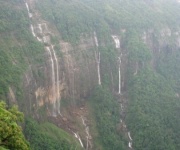
The dry season offers a clearer opportunity to notice the geology around Mawsmai Falls. Sohra is famous for its limestone caves, cliffs and deeply cut valleys, all shaped by the region’s intense seasonal rainfall. When the waterfall is less forceful, details such as moss, exposed rock layers, small channels and forest growth become easier to see.
The surrounding area also reveals how local communities live with a landscape that receives some of the heaviest rainfall on Earth during the monsoon. Paths, drainage channels and cultivated patches reflect the need to manage water, while nearby villages provide a glimpse of everyday Khasi life. A local guide can explain place names, customs and environmental changes more meaningfully than a quick roadside stop.
If your route includes Mauritius or another Indian Ocean destination before or after India, keep the two trips administratively separate. Entry requirements, health advice and transit rules can change, so consult current official sources rather than relying on a package page. A useful starting point for Mauritius travel guidance can help with that separate part of an extended holiday.
Time Your Visit Around Light And Weather
Morning is generally the safest choice for a dry-season visit. It gives you a better chance of clear views before cloud builds and leaves the rest of the day for Mawsmai Cave, Eco Park, Nohsngithiang Falls or other attractions around Sohra. Morning light can also add definition to the water and rock without the harsher contrast of midday.
The weather can change quickly, even outside the main monsoon. A blue sky at breakfast may give way to mist, wind or rain by lunchtime. Keep your rain layer accessible rather than buried under luggage, and protect electronics in a waterproof pouch. A small microfibre towel is useful for damp seating, camera lenses and muddy footwear.
Avoid judging the day solely by the waterfall. Mist can soften the landscape and create atmospheric photographs, while a light shower may refresh the forest. The priority is to stay away from torrent channels and slippery edges. If local staff advise against a particular path, treat that guidance as part of the attraction’s safety system, not as an inconvenience.
Build A Practical Sohra Itinerary
A well-paced two-night stay can cover Mawsmai Falls, Mawsmai Cave, a major viewpoint and one or two nearby waterfalls. With three or more nights, you can add a living root bridge excursion, village visits, forest walks and more distant attractions without spending every day in the car. Longer packages also provide flexibility if weather disrupts one sightseeing day.
Accommodation ranges from hotels and guesthouses to resorts with views over the hills. When booking, check whether breakfast, transfers, heating, hot water and local transport are included. Nights can feel cool in the drier months, particularly in simple accommodation, and facilities may differ from what Australian travellers expect from a city hotel.
Use the operator’s site map to locate information on accommodation, attractions and travel guidance before finalising the route. It is sensible to compare the listed inclusions with your booking confirmation, especially for airport transfers, meals, entrance fees and guide services. A clear itinerary reduces last-minute bargaining and helps you understand how much time is genuinely available at each stop.
Pack For Comfort And Responsible Travel
The right clothing makes a noticeable difference. Choose lightweight layers, quick-drying trousers and a breathable shirt for walking, then add a fleece or light jumper for early mornings and cooler evenings. A waterproof jacket is preferable to a small umbrella when paths are narrow or wind is moving through the hills.
Carry reusable water and avoid leaving snack wrappers or plastic near the falls and cave. Do not touch formations inside the cave, remove stones or climb barriers. Meghalaya’s attractions depend on their natural condition and on visitors respecting local rules, guides and communities. Paying reasonable entrance or guide fees also supports the people helping maintain access.
These practical recommendations keep a dry-season outing comfortable and flexible:
- Start early and allow extra time for the drive from Shillong or another base.
- Wear closed, non-slip walking shoes for wet rocks, cave floors and uneven paths.
- Carry a lightweight waterproof jacket, even when the forecast looks clear.
- Combine Mawsmai Falls with Mawsmai Cave and nearby Sohra attractions.
- Keep cash for small local payments, entrance fees and roadside refreshments, while retaining a card for larger bookings.
- Use a local driver or guide when road conditions, route finding or walking access are unfamiliar.
- Protect the landscape by carrying rubbish out and staying on authorised paths.
Make The Waterfall Part Of A Larger Journey
Visiting Mawsmai Falls in the dry season works best when expectations match the season. You may not see the enormous curtain of water shown in monsoon photographs, but you can enjoy easier movement, clearer access and more time to appreciate Sohra’s caves, forests and valleys. The quieter months suit travellers who prefer a measured itinerary over a quick checklist of viewpoints.
For an Australian holidaymaker, Meghalaya rewards preparation: book transport that suits the roads, leave room for weather changes, pack for both sun and rain, and use local knowledge when choosing walking routes. From a Melbourne or Sydney departure, it is a substantial journey, so adding several days in Meghalaya makes the long-haul travel feel worthwhile and gives the region room to unfold.
Review the route, accommodation and seasonal conditions before you travel, then arrange your Sohra holiday with a reputable local operator so Mawsmai Falls fits smoothly into a well-paced Meghalaya experience.