




How to Visit the Seven Sisters Falls from Multiple Angles
Seven Sisters Falls, also known as Nohsngithiang Falls, is one of the most recognisable sights in Meghalaya. The waterfall drops over a broad limestone escarpment near Cherrapunjee, or Sohra, and breaks into several white streams before disappearing into the green valleys below. Its appearance changes greatly with the weather, season and viewing position.
A single stop at the main lookout gives you the classic postcard scene, but it does not show the full character of the landscape. From nearby park areas, roadside bends and surrounding villages, you can appreciate the scale of the cliff, the depth of the valley and the way cloud moves across the plateau.
For travellers from Australia, the falls fit naturally into a Meghalaya road journey. You can combine the visit with Mawsmai Cave, Arwah Cave, Duwan Sing Syiem Viewpoint, the living root bridges and local food stops rather than treating it as a quick photo break. A carefully timed visit also gives you a better chance of seeing the water clearly.
When Seven Sisters Falls Is at Its Best
The waterfall is at its most powerful during Meghalaya’s wet season, generally from June to September. Heavy rain feeds the streams and turns the cliff face into a dramatic series of torrents. The surrounding grass, forest and rock are intensely green, creating the atmosphere many visitors imagine when they picture Cherrapunjee.
Rain is also the reason conditions can change within minutes. Mist may cover the falls, a clear view may open briefly, and a fresh shower may close the scene again. Pack a waterproof jacket, protect your phone and camera, and allow extra time rather than expecting a guaranteed view at a precise minute.
During the drier months, especially from November to April, the falls may be much thinner or partly dry. This period usually offers brighter skies, more comfortable road conditions and clearer views of the escarpment. If your priority is powerful water, visit in the monsoon; if it is landscape photography and easier sightseeing, the shoulder or dry season can be more practical.
Early morning is often quieter, although cloud can be dense at that time. Late afternoon may produce attractive light across the valley, but showers and low visibility are common. Your driver or local guide can usually advise which viewpoint is clearest on the day.
The Classic View From Mawsmai
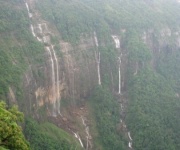
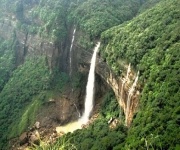
The main Seven Sisters Falls viewpoint near Mawsmai is the essential first angle. From the viewing area, the waterfall appears as a wide curtain dropping from the plateau, with the separate channels creating the impression of seven ribbons. The outlook also reveals the scale of the valley, which is easy to underestimate in photographs.
Stand back from the railings and use the surrounding grass and cliff edge to frame the scene. A wide-angle lens is useful when the falls are full, while a standard lens can isolate the streams and layers of rock. In cloudy weather, a slower shutter speed may soften the water, but keep equipment protected from spray and sudden rain.
The exact number of visible streams can vary with rainfall, vegetation and mist. It is better to describe Seven Sisters Falls as a changing natural formation than to search for seven perfectly distinct lines every time. The name refers to the divided appearance of the cascade across the cliff.
For a broader regional itinerary, the Cherrapunjee travel guide can help you place the waterfall alongside accommodation, attractions and multi-day tours. Staying in Sohra rather than rushing in from Shillong makes it easier to return if the first view is hidden by cloud.
Side Views Along the Mawsmai Road
The approach roads around Mawsmai provide different perspectives before and after the main lookout. Safe roadside stopping points may reveal the waterfall in relation to the long escarpment, nearby fields and distant ridges. These views are less formal than the main platform and can make the falls feel part of the wider countryside rather than an isolated attraction.
Only stop where your driver confirms that parking and walking are safe. Meghalaya’s roads can be narrow, uneven and busy with local traffic, particularly around popular attractions. Wet grass, loose stone and unprotected edges are serious hazards, so never climb towards the cliff for a more dramatic photograph.
Mawsmai Eco Park can add another useful angle, depending on current access and visibility. From open areas near the park, the valley may appear more expansive, with the waterfall set against layers of plateau and forest. Conditions and viewpoints can change, so treat local directions as more reliable than an old online map.
The road journey itself is part of the experience. You may pass betel nut palms, small settlements, roadside stalls and cloud-covered slopes. Build in short stops for scenery, but keep the day flexible because a ten-minute drive can take longer in heavy rain or holiday traffic.
Aerial Scale Without Taking Risks
The most impressive “alternative angle” is often a higher or more distant view that shows the entire cliff line. Rather than seeking an unofficial path, use recognised viewpoints, open park spaces or a guided route where access is permitted. The aim is to understand the waterfall’s setting, not to reach an unstable ledge.
Drone photography should be approached cautiously. Rules can apply around parks, villages, roads, defence-sensitive areas and crowded visitor sites, and weather around Sohra is particularly challenging for small aircraft. Obtain current local permission before flying, and never launch near people, traffic or a cliff edge simply to capture a different composition.
A telephoto lens from a distant safe point can produce a layered image of the streams, rock face and valley floor. A wide shot from the official lookout communicates height and width more effectively. Taking both types of photograph is worthwhile because the falls can look delicate in a close frame but immense in a landscape image.
If cloud obscures the cascade, photograph the changing scene instead of waiting in an exposed position indefinitely. Ridges appearing and disappearing through mist, rain on the grass and water running across the roadside can all record the character of Sohra. Visibility often improves briefly after a shower, so keep your camera ready while staying under proper shelter.
Respecting Sohra’s Landscape And Communities
Seven Sisters Falls lies within a living cultural landscape, not a private photo set. Sohra is part of the Khasi Hills, where local communities maintain distinctive languages, customs and relationships with the land. Visitors should follow signs, avoid entering farmland without permission and ask before photographing residents, homes or workers.
Wear shoes with dependable grip, especially during the wet months. Sandals may be comfortable in Australian summer conditions, but slick rock and muddy paths around Meghalaya require more support. Carry a small rubbish bag, refillable water bottle and light rain cover, then take all waste back with you.
The falls are often visited as part of a circuit that includes Mawsmai Cave and other natural attractions. Caves can be slippery and poorly lit, while viewpoints may have uneven steps. A sensible pace is more enjoyable than trying to fit every stop into a rushed half-day.
Australian travellers may notice that road etiquette and facilities differ from what is familiar around the Blue Mountains or the Dandenong Ranges. Facilities can be basic, mobile reception may vary and toilets or cafés are not always available at every stop. A local driver-guide helps with navigation, timing and practical decisions when weather changes.
Planning The Day From Australia
Most international visitors from Australia reach Meghalaya through India, commonly connecting via Delhi, Kolkata or another major Indian city before continuing towards Guwahati. From Guwahati, the drive to Shillong and then Sohra is substantial, so allow a full travel day rather than assuming the destination is close to the airport.
Indian e-visa requirements, passport validity, arrival rules and any regional permissions should be checked through official sources before departure. Carry digital and printed copies of important documents. Australian travellers are used to planning around long distances in Queensland or Western Australia, but Indian road journeys can take longer because of traffic, town congestion and winding mountain sections.
Accommodation in and around Cherrapunjee ranges from hotels and resorts to simpler guesthouses. Reserve ahead for Australian school holidays, Christmas and Easter periods, when demand can rise and rooms in popular Meghalaya destinations are limited. Prices are generally quoted in Indian rupees, and keeping some cash is useful even when larger properties accept cards or digital payments.
Useful Arrangements For A Comfortable Visit
- Choose a licensed local driver or reputable tour operator familiar with Sohra’s viewpoints and monsoon roads.
- Carry a waterproof layer, quick-drying clothing, grippy walking shoes and a dry bag for electronics.
- Keep small Indian-rupee notes for snacks, entry fees, local transport and places without reliable card facilities.
- Download offline maps and save accommodation details before leaving Shillong or Guwahati.
- Plan a return window before dark, especially during heavy rain or when travelling on unfamiliar roads.
- Bring insect repellent, sunscreen, personal medication and a Type C, D or M-compatible travel adaptor.
- Leave space in the itinerary for a second viewpoint visit if cloud hides the falls on the first attempt.
Building A Wider Cherrapunjee Itinerary
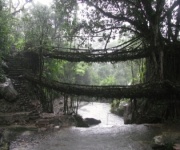
A two-night stay can cover Seven Sisters Falls, Mawsmai Cave, Mawsmai Eco Park, a major viewpoint and several nearby waterfalls. Three or more nights allow a slower pace, with time for Nohkalikai Falls, Arwah Cave, Wei Sawdong Falls and local villages. Longer packages can include Nongriat and its famous living root bridge, although that walk demands a separate day and good fitness.
Nohkalikai Falls is often paired with Seven Sisters Falls because the two sites show different forms of Meghalaya’s escarpment. One presents a concentrated plunge into a deep pool, while the other spreads across the cliff in multiple streams. Duwan Sing Syiem Viewpoint and surrounding lookouts add further opportunities for panoramic photography.
From an Australian perspective, it is tempting to pack the itinerary tightly, much as you might plan a road trip between national parks in Victoria or New South Wales. Meghalaya rewards a looser schedule. A short delay at a market, a rainstorm over the plateau or a clear break in the cloud can become the most memorable part of the day.
Ask your accommodation about current road conditions and opening arrangements before setting out. Attraction access, local weather and transport times can change, particularly during intense monsoon periods. A flexible route gives you several angles on the falls without turning the visit into a race between checkpoints.
Choose the travel dates, accommodation and transport arrangements that suit the season you want to experience, then organise the waterfall visit as part of a properly paced Sohra journey. Booking through a specialist Meghalaya operator can bring together local transfers, stays and nearby attractions so your time at Seven Sisters Falls remains focused on the view, the landscape and the people who call the region home.