





How to Visit Wakaba Falls After Heavy Rain
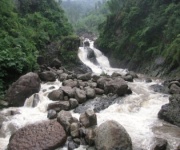
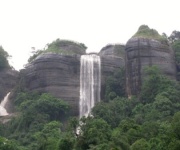
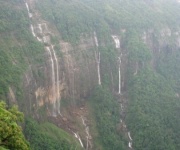
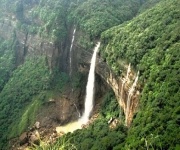
Wakaba Falls is one of the quieter waterfall experiences around Sohra, also known as Cherrapunji or Cherrapunjee in Meghalaya. After a period of strong rain, the watercourse can become dramatically fuller, with several streams joining the main cascade and mist settling over the surrounding hills. The same weather that makes the falls impressive can also make the approach slippery, flooded, and difficult to identify.
A successful visit depends less on reaching the viewpoint quickly and more on reading the conditions. Rainfall in the Sohra region can change within hours, while forest paths, steps, stream crossings, and roadside shoulders may remain wet long after the sky clears. A little planning will help you enjoy the scenery without turning a short excursion into a risky trek.
Wakaba Falls is best treated as a nature stop rather than a guaranteed, all-weather attraction. Check local advice on the day, allow extra time, and be prepared to change your route if the trail or access road is unsafe.
Choose the right time after rainfall
The most dramatic flow usually appears during the monsoon and shortly afterward, when the catchment above the falls is saturated. You do not necessarily need to arrive during active rain. In fact, waiting for a break in the weather often gives you better visibility, safer footing, and a more comfortable walk while still preserving the powerful post-rain flow.
Early morning is generally useful for a waterfall outing. Visibility may be clearer before clouds build, and the approach is less likely to be crowded. It also leaves a safety margin if the path takes longer than expected. If heavy rain has continued overnight, consider departing later in the morning only after your driver, hotel, or local guide has checked the road and trail conditions.
Avoid judging the water level from rainfall in the immediate vicinity alone. A storm upstream can swell the falls even when Sohra is temporarily dry, while a nearby shower may leave the cascade unchanged. The safest approach is to combine a local update with a visual inspection of the trailhead before committing to the walk.
Check access before leaving Sohra
Ask your accommodation or a registered local driver about the current condition of the Wakaba Falls route. They can often tell you whether the approach is open, whether a recent landslide has affected the road, and whether the final section requires a local guide. Conditions can vary between nearby attractions, so general statements that “the roads are open” should not be treated as proof that every footpath is usable.
Confirm the exact starting point before setting out. Waterfalls around Cherrapunji may have more than one viewpoint, informal access path, or locally used name. Save the location offline, but rely on local directions for the final approach. Mobile coverage can be inconsistent around steep valleys, forested sections, and remote viewpoints.
If a driver is waiting for you, agree on a return time and meeting location before beginning the walk. Do not assume that a vehicle can reach the same point after rain; a muddy shoulder or flooded side road may force the driver to park farther away. A guide familiar with the area can also help identify a safer footpath and discourage visitors from crossing swollen channels.
Reach the trailhead with care
A private car or hired local taxi is usually the most practical way to visit Wakaba Falls from Sohra. Public transport may get you near the broader area, but it may not provide a reliable connection to the final access point, particularly during wet weather. A local driver is valuable because road conditions can change and some turns or parking areas are not obvious to first-time visitors.
Drive slowly on wet mountain roads. Meghalaya’s routes can include sharp bends, narrow sections, potholes, loose gravel, and sections where runoff crosses the pavement. Keep away from the outer edge of the road, especially where vegetation hides a steep drop. If a landslide, fallen branch, or fast-moving sheet of water blocks the way, do not ask the driver to take unnecessary risks for a photograph.
At the trailhead, look for signs of recent water movement before walking onward. Deep footprints filled with water, exposed roots, fresh mud, broken railings, and unusually strong stream noise are warnings that conditions may have changed. A short delay to ask a nearby resident or guide can prevent a much longer and more dangerous retreat.
Prepare for a wet and slippery walk
Wear shoes with firm grip and covered toes. Hiking shoes with a well-maintained tread are preferable to smooth trainers, sandals, or casual footwear. Even a short waterfall walk can involve slick stone, clay-like mud, wet roots, and uneven steps. Pack a second pair of socks because damp feet become uncomfortable quickly and can lead to blisters.
A lightweight rain jacket is more useful than relying on an umbrella, which is awkward on narrow paths and offers little protection against wind-driven rain. Keep your phone, camera, wallet, and travel documents inside waterproof pouches or double bags. A dry bag is ideal, but a few sturdy sealable bags can protect essential items when spray or a sudden shower reaches the path.
Carry drinking water and a small snack, but avoid bringing glass containers. A compact first-aid kit should include blister treatment, antiseptic wipes, basic bandages, and any personal medication. Insect repellent may be helpful around damp vegetation. Trekking poles can improve balance, although a simple walking stick provided or recommended by a local guide may be more practical on a muddy trail.
The following comparison helps set expectations before you leave:
| Conditions | What you may experience | Sensible response |
|---|---|---|
| Light rain or recent showers | Wet rocks, moderate spray, manageable footpaths | Wear grip footwear and continue only with clear local advice |
| Heavy rain overnight | Stronger flow, mud, pooled water, reduced visibility | Delay departure, check the route, and allow extra travel time |
| Rain still falling heavily | Poor visibility, unstable ground, rapid runoff | Postpone the visit and choose a safer indoor or roadside activity |
| Thunderstorms nearby | Lightning, exposed viewpoints, sudden stream rise | Leave open areas and avoid crossings until conditions settle |
| Fresh landslide or blocked road | Unstable slope, debris, restricted vehicle access | Turn back and do not walk beneath the affected section |
Follow safe waterfall habits
Stay on established paths and viewpoints wherever possible. Wet ground beside a cascade can look solid while hiding a drop, loose stone, or deep channel. Never climb behind the waterfall, stand on the lip of a precipice, or walk across a stream simply to find a closer photo position. High flow can shift rocks and logs with surprising force.
Keep a generous distance from the watercourse after heavy rain. A calm-looking section may be connected to a much faster channel upstream, and water levels can rise suddenly if another shower passes over the catchment. Children should remain within arm’s reach near edges, steps, and crossings. Groups should move at the pace of the least confident walker rather than separating along the trail.
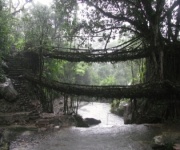
Treat slippery railings, ropes, and bridges with caution. They may be wet, loose, or covered with moss, and leaning heavily on a damaged barrier can make a fall more likely. If visibility is reduced by cloud or spray, take photographs from a stable position and avoid backing toward an edge while looking through the camera.
Leave no litter and do not use soap, shampoo, or food near the stream. Carry wrappers back to your vehicle, keep noise moderate, and respect local residents and sacred or privately managed land. Protecting the setting helps keep this lesser-known waterfall pleasant for future visitors.
Build the visit into a Sohra itinerary
Wakaba Falls can fit well into a broader Cherrapunji sightseeing day, especially when paired with attractions that do not require a long exposed trek. Depending on current access, you might combine it with a nearby viewpoint, cave, forest area, or living root bridge. Keep the schedule flexible rather than booking several time-sensitive stops around a waterfall whose access may change after a storm.
Allow time to dry out and warm up between outdoor stops. A waterproof layer may protect you from rain but not from persistent mist, and wet clothing can become uncomfortable in the cool, cloudy conditions common around Sohra. Your hotel or resort can help arrange a towel, a hot drink, or a change of plan if the weather deteriorates.
Local products also make a thoughtful part of a Meghalaya trip. If your route passes through town, look for local honey and spices from reputable sellers, and carry purchases securely so rain does not damage the packaging. Buying locally can support small producers while giving you a practical souvenir connected to the region.
If the waterfall is inaccessible, the day does not have to be lost. Sohra has scenic roads, viewpoints, caves, rain-fed streams, markets, and cultural experiences that can be rearranged around the weather. A flexible itinerary is especially valuable during the wettest months, when a local driver or guide may recommend a safer alternative at short notice.
Keep this rainy-day checklist
A small amount of preparation makes the visit more comfortable and reduces the temptation to take unsafe shortcuts. Pack light enough to keep both hands available on uneven ground, and put frequently used items where you can reach them without opening your main bag in the rain.
Before leaving, review these essentials:
- Confirm the current trail, road, and weather conditions with your hotel, driver, or local guide.
- Wear covered footwear with strong traction, quick-drying clothes, and a waterproof outer layer.
- Protect phones, cameras, cash, medication, and documents in sealed waterproof bags.
- Carry water, a snack, a small first-aid kit, insect repellent, and extra socks.
- Set a return time, stay away from swollen channels and cliff edges, and turn back when conditions worsen.
A responsible visit may mean seeing the falls from a permitted viewpoint rather than reaching the closest possible position. The sound, mist, and increased volume after rain can still make the experience memorable without crossing a dangerous stream or stepping onto unstable ground.
When you are ready to plan the journey, Cherrapunjee.net can help you fit Wakaba Falls into a wider Meghalaya holiday, with multi-day packages, accommodation information, attraction guidance, and practical travel details. Contact India Beacons Sojourn through the website’s booking channels to arrange transport and a local itinerary suited to the season and current conditions.