





The Best Caves to Explore for Adventure Seekers in Cherrapunjee
Cherrapunjee, also known as Sohra or Cherrapunji, is famous for rain, waterfalls and living root bridges, yet its underground landscape is just as compelling. Limestone hills have been shaped by monsoon water into chambers, streams, narrow passages and shadowy caverns that reward travellers willing to walk beyond the main viewpoints.
For visitors from Australia, exploring these caves offers a striking change from the coastal scenery around Sydney, Melbourne or Brisbane. The terrain is cooler, wetter and often more rugged than a standard sightseeing day, so the experience depends on choosing the right cave, allowing enough time and travelling with suitable local support.
The best outings combine a cave visit with nearby forests, villages and lookouts. A well-planned Cherrapunjee holiday can include a manageable family-friendly cavern, a longer guided trek and a scenic stop above the Bangladesh plains, creating an active itinerary without rushing between attractions.
Why Sohra’s Caves Are Worth Exploring
The Khasi Hills contain extensive limestone formations, and seasonal rainfall continues to carve and enlarge many underground spaces. Some caves are relatively easy to enter, while others involve slippery tracks, low ceilings, uneven rock and stream crossings. This variety makes the region suitable for both first-time cave explorers and experienced outdoor travellers.
Caves also reveal a quieter side of Meghalaya. Inside, sound changes dramatically: dripping water, bats, distant voices and the scrape of boots become more noticeable than the busy roads outside. The surrounding landscape is equally important, with betel-nut plantations, village paths and dense vegetation often forming part of the approach.
Caving should be treated as an adventure activity rather than a casual indoor attraction. Conditions vary after heavy rain, and access arrangements can change locally. A guide familiar with the route is especially valuable when exploring less developed caverns or travelling during the wet season.
Mawsmai Cave For A First Underground Adventure
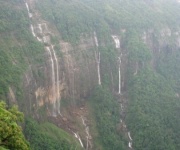
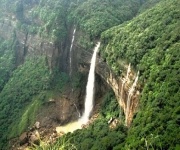
Mawsmai Cave is the most accessible and widely visited cave near Sohra. Its entrance is close to the main tourist circuit, making it easy to combine with attractions such as Nohsngithiang Falls, commonly called the Seven Sisters Falls, or the green spaces around Mawsmai village. The opening section is broad enough for many visitors, but the route soon becomes narrower and more atmospheric.
Inside, limestone walls form textured shapes that resemble curtains, ribs and frozen waves. The path can be damp, and some sections require bending, turning sideways or placing hands carefully against the rock. It is a rewarding introduction to Meghalaya’s subterranean scenery without requiring a full-day expedition.
Mawsmai is a practical choice for travellers with limited time, including Australians fitting a cave visit between flights, hotel transfers and waterfall stops. Wear shoes with firm grip rather than smooth casual sneakers, and avoid carrying a large backpack through the tighter passages.
Arwah Cave For A Quieter, More Rugged Experience
Arwah Cave, also known as Arwah Lumshynna, provides a more adventurous alternative to Mawsmai. The approach passes through forest and uneven ground, so reaching the entrance is part of the experience. The cave is less polished and generally quieter, with fossils and limestone formations visible along parts of the route.
The atmosphere here feels exploratory rather than organised. Visitors may need to negotiate muddy ground, low sections and wet rock, while the route can feel more demanding after rain. Local guidance helps with finding the entrance and judging which areas are safe on the day.
Because Arwah Cave is often paired with nearby waterfalls and forest attractions, it suits travellers who prefer a half-day outing rather than a quick stop. The area can also be linked with Thangkharang Park viewpoint, where the landscape opens towards the plains of Bangladesh after time underground.
Krem Mawmluh And The Pleasure Of Real Caving
Krem Mawmluh is among the most notable cave systems around Cherrapunjee and is known for its length, underground passages and water-related obstacles. It is not a simple walk-in attraction. Depending on the route and current conditions, an outing can involve wading, scrambling, crawling and spending several hours in a wet environment.
This cave is better suited to fit travellers who have previous experience with outdoor activities or who are comfortable following a trained local cave guide. The level of difficulty depends on water flow, recent rainfall and the chosen section. A route that feels manageable in a drier period may become unsuitable during intense monsoon weather.
Proper preparation matters. A helmet, reliable headlamp, spare batteries, quick-drying clothing and secure footwear are more useful than a phone torch. Waterproof bags protect documents and electronics, while lightweight food and drinking water help on longer excursions. Never enter a flooded passage simply because it was accessible earlier in the day.
Other Caves And Local Underground Routes
The Sohra region contains many named caves and smaller limestone openings, including areas associated with Krem Phyllut and other Khasi cave systems. Their appeal lies in the sense of discovery, but information about access, route length and safety can be less consistent than for Mawsmai Cave. Some may be best viewed as specialist outings rather than general tourist attractions.
Travellers should distinguish between a mapped, guided caving route and an unmarked hole beside a forest path. A local operator can explain whether a cave is open, whether equipment is available and whether the approach has been damaged by rain. This is particularly important for visitors unfamiliar with Meghalaya’s rock formations and monsoon drainage.
Wildlife and conservation deserve attention too. Bats, insects and small cave organisms are part of the underground ecosystem. Keep noise low, do not touch formations, avoid leaving food or rubbish behind and never remove fossils or stones. Responsible behaviour protects the caves and preserves the experience for village communities and future visitors.
When To Go And What To Expect
October to April is generally more comfortable for outdoor sightseeing, with clearer conditions and easier access to many attractions. The cooler months can be ideal for walking, although mornings and evenings may feel surprisingly crisp. Australian visitors accustomed to strong sunshine should still pack a light rain layer because weather can change quickly in the hills.
The southwest monsoon brings Cherrapunjee its extraordinary rainfall, but it also increases hazards. Paths become slick, streams rise and visibility can fall. Caves with low entrances or water passages may be closed or unsuitable. Travelling in July or August can deliver dramatic scenery, yet cave plans need flexibility and should never override local safety advice.
A useful packing approach is similar to preparing for a wet bushwalk in Tasmania or the Blue Mountains, with extra attention to humidity. Bring quick-drying trousers, a change of clothes, a small towel, waterproof pouches, insect repellent and a headlamp. Australian travellers should also carry copies of passport and visa details, while storing originals securely at their accommodation.
Getting Around And Building A Cave Day
Cherrapunjee is roughly a scenic hill journey from Shillong, while Guwahati is the main larger transport gateway for many international visitors. Road travel takes longer than the distance on a map suggests because of winding routes, traffic, weather and village stops. A private vehicle is convenient for combining caves with waterfalls, but shared transport can be useful for travellers managing a tighter budget.
Australians often plan trips around familiar transport apps and fixed timetables, yet local travel in Sohra is more flexible. Shared taxis and local buses may leave when sufficiently full, and roadside conditions can affect arrival times. Understanding local transport routes before setting out makes it easier to choose between a private car, a shared taxi and a guided package.
Indian entry requirements should be checked before departure through official sources. Australian passport holders commonly need an approved Indian visa or e-Visa before arrival, and passport validity, permitted entry points and visa conditions matter. Keep records of bookings and insurance, and follow current Indian rules for drones, protected areas and photography. Australian Government travel advice can provide a useful second check alongside Indian authorities and your tour provider.
Practical Choices For A Safer Cave Trip
A strong itinerary matches the cave to your fitness, weather window and appetite for discomfort. Mawsmai works well for a short, accessible experience; Arwah adds a forest approach and a more natural setting; Krem Mawmluh is for a serious guided adventure. Mixing one demanding activity with a scenic or cultural stop prevents the day from becoming exhausting.
Book accommodation close to Sohra when possible, especially if you want an early start. Resorts and hotels in the area can help arrange drivers, guides and local updates, while a multi-day package may simplify transfers between Shillong, Cherrapunjee and surrounding attractions. Avoid scheduling a cave expedition immediately before a long airport transfer.
Use these recommendations when preparing your route:
- Choose Mawsmai Cave for an accessible introduction and Krem Mawmluh for a more technical outing.
- Confirm opening conditions, water levels and guide availability locally before entering any cave.
- Wear closed shoes with strong traction, quick-drying clothing and a small waterproof day pack.
- Carry a headlamp, spare batteries, drinking water, basic snacks and a change of clothes.
- Allow extra road time for rain, traffic, shared taxis and mountain conditions.
- Follow Indian visa, protected-area, photography and drone regulations, and keep travel insurance details accessible.
| Cave or route | Suitable for | Main character | Time and preparation |
|---|---|---|---|
| Mawsmai Cave | First-time visitors and families with reasonable mobility | Developed, narrow limestone passages | Short visit; grippy footwear recommended |
| Arwah Cave | Active travellers seeking a quieter outing | Forest approach, fossils and rougher sections | Half-day; guide and rain protection useful |
| Krem Mawmluh | Experienced or physically confident adventurers | Wet, extended underground route | Several hours; specialist guide and equipment essential |
| Smaller local caves | Repeat visitors and caving enthusiasts | Less developed and more exploratory | Confirm access, route and conditions locally |
Caves are one of the most memorable ways to experience the character of Cherrapunjee, particularly when paired with waterfalls, village walks and Meghalaya’s living root bridges. Contact India Beacons Sojourn through Cherrapunjee.net to arrange a cave-focused stay, transport and a tour package matched to your available nights and preferred level of adventure.