




Best homestays near Cherrapunji's living root bridges for early access
Few journeys feel as rewarding as reaching a living root bridge before the main tour groups. The double-decker bridge at Nongriat is reached through a long staircase and a forest trail, so the best homestays near the living root bridges are not simply the prettiest rooms; they are the stays that put you close to the trailhead, provide an early breakfast and can arrange a guide and vehicle at dawn. Choosing between Nongkalnak, Riwai, Sohra and the Tyrna side changes the pace, access and comfort of the trip.
For Australian travellers, the smartest booking is one that names the exact village, bridge and start time. Homestay standards in Meghalaya range from simple family rooms to polished eco-resorts, while road conditions and monsoon closures can alter the route overnight. This guide explains how to compare the options, secure genuinely early access and avoid paying for a location that sounds convenient but requires a long pre-dawn drive. Availability should be confirmed directly, especially for weekends, school holidays and the October-to-March touring season.
Why location decides your morning
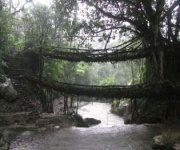
Nongkalnak is the strongest choice for the classic double-decker bridge. Family-run stays put guests within a short walk of the final approach, making an early departure practical. It remains a rural settlement, so expect warm water, intermittent mobile data and homes that welcome guests rather than resemble western hotels.
Riwai village stays serve a quieter part of Nongriat and suit travellers who want more forest time. Access to individual living bridges depends on local trail and repair conditions, so ask the host which crossing is open and how it will be reached. The Tyrna and Nongstoin side is better for a full trekking day than a hurried bridge visit.
Sohra, also called Cherrapunji, has the widest range of guesthouses, hotels and homestays, along with easier access to food, fuel and medical assistance. It sounds central, but the road to Nongriat can take roughly two to three hours in busy or wet conditions. A Sohra base is often best for the first night, followed by a move closer to the trail.
Compare stays by village, comfort and start time
The most useful comparison is not star rating but walking distance and transport. Look for a room beside the route, not merely a map pin labelled “Nongriat”; Sohra properties are sometimes marketed under the destination name despite being far from the bridge trail.
Closest choices for an early start
- Nongkalnak family homestays: Usually the best option for a short walk to the double-decker bridge, with home-cooked breakfast and a local guide available for an early start.
- Riwai village rooms: Ideal for travellers seeking a quieter stay, provided the host confirms current bridge access, walking times and whether a vehicle can reach the village.
- Sohra guesthouses: Convenient for a comfortable first night, organised transport and flexible meal requests, but guests should allow extra travel time each morning.
- Tyrna-side lodges: Best suited to trekkers planning a full day on the trail and comfortable with early starts, basic rooms and limited evening services.
Price should be compared against what is included. A lower room rate may exclude vehicle transfers, guide fees, permits, breakfast, entry charges or assistance during heavy rain. Obtain the inclusions in writing rather than relying on a booking platform’s short description.
Strong options for comfort and flexibility
- Sohra boutique stays: Offer the broadest range of amenities, private bathrooms and restaurants, making them suitable for couples or visitors who value comfort after trekking.
- Nongriat eco-resorts: Combine a rural setting with more polished facilities, often including restaurant service, larger rooms and arranged pickups.
- Multi-night village homestays: Provide the deepest local experience and reduce the need to move luggage between Sohra and Nongriat.
- Private cottage rentals: Useful for families or groups wanting a shared base close to the trail, although heating, hot water and vehicle access should be checked carefully.
The best option depends on how much walking you enjoy and how early you are willing to begin. A convenient Sohra room can still support dawn access through a pre-booked car, while a Nongkalnak stay gives the shortest and most relaxed start.
Turn an early booking into an unhurried bridge visit
Ask the homestay to prepare breakfast and have a local guide waiting before first light. Reaching the Nongriat double-decker bridge commonly takes two to three hours from the usual roadhead, depending on fitness, rain and the starting point. The final approach includes approximately 3,500 steps, so suitable shoes, a walking pole and a light rain layer are more useful than a heavy daypack.
Early access should mean entering the forest at first safe daylight, not walking in darkness. Wet roots, slippery steps, low cloud and poor visibility can make a pre-dawn approach dangerous. The guide should check trail and weather conditions that morning and adjust the route or bridge order if necessary.
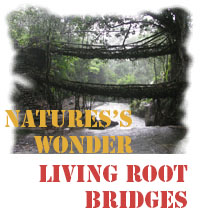
Treat the crossing as a living cultural landmark rather than a photo stop. Guides can explain how the roots are trained and maintained by Khasi communities, why certain structures survive longer than others and how local stewardship protects the bridges. Visitors should remain on marked paths, avoid climbing or swinging on the roots and carry out all rubbish.
Add caves and weather-friendly stops near Sohra
Rain does not always end a Meghalaya trip. Sohra is surrounded by caves, waterfalls, viewpoints and short forest walks that can be enjoyed on a wetter day, although heavy rain may still affect access. The right guide can turn an unexpected shower into a slower cultural and geological itinerary rather than an idle hotel day.
For visitors new to the region, the guide to the most photogenic caves provides a useful starting point for matching cave walks with local conditions. Arwah Cave near Sohra is a common choice, while other formations require different walking abilities, footwear and amounts of time.
Market visits add another local experience, with Khasi tea, fruit, vegetables, jaggery and regional snacks among the products that may be available. Australian supermarkets and chain stores generally display fixed checkout prices, while bargaining is common in some informal Indian tourist markets. Polite, unhurried negotiation is acceptable where the seller expects it; ask for the total price before paying and never negotiate simply to make a local vendor uncomfortable.
Plan from Australia for a smoother Meghalaya trip
Most Australians begin their journey through Sydney, Melbourne, Brisbane or Perth, usually connecting through a major Indian city before flying to Guwahati. From Guwahati airport, Sohra is approximately 150 kilometres away and commonly takes three and a half to four and a half hours by road. Connecting flights and traffic can make arrival late, so the first night is safer near the airport or in central Guwahati if the journey continues early the next morning.
Australian travellers often depend on contactless cards, ride-hailing apps and Google Maps, but those habits need adjustment in Meghalaya. Pre-arrange the Guwahati-to-Sohra transfer, download offline maps and carry Indian rupees in small notes. UPI payments are widespread locally, yet foreign cards and international payment apps are not accepted everywhere. Mobile coverage can disappear around the Nongriat trail, so a downloaded itinerary and the contact numbers of the driver, guide and homestay are essential.
Pack for a tropical mountain climate rather than the weather forecast at home. Layers, a waterproof jacket, dry bag, insect repellent and reliable medication suit the trail and nearby villages. Australia uses Type I plugs, while Indian sockets commonly accept Type C, D or M plugs, so a suitable travel adapter is needed. Keeping a spare set of clothing and footwear dry is particularly helpful during the monsoon.
Check visas, permits and laws before departure
Australian passport holders normally require an Indian visa and should apply through official Indian channels well before travel. Meghalaya also publishes rules for Inner Line Permits and access to protected areas, and exemptions may apply to particular destinations or routes. Check the current Government of Meghalaya guidance for Sohra and Nongriat, carry passport copies and avoid relying on an old travel blog that describes permit requirements from a previous season.
Indian drone rules require registration and permission for many flights, with additional restrictions around airports, borders and sensitive installations. Travellers should leave drones at home unless the necessary permissions have been confirmed in writing. Photography should also follow local advice around security-sensitive or restricted locations, and carrying identification while moving between villages is sensible.
Travel browsing may surface promotions for a speed baccarat app, but Australians should avoid unlicensed real-money gambling services. Australia’s Interactive Gambling Act restricts gambling operators from offering interactive gambling services to residents unless appropriately licensed, and the Australian Communications and Media Authority warns against offshore providers. No gambling activity is needed to enjoy the homestay, trekking or local food experience.
Book the stay and crossing as one experience
A useful booking request should identify the village, room, bridge, pickup point and expected trail start time. It should also state whether the price includes breakfast, guide service, vehicle transfers, permits, community fees and a wet-weather alternative. Ask about cancellation or rescheduling arrangements because landslides and intense rainfall can make the planned route unsafe.
Allow several weeks to secure the better family-run rooms, particularly during the October-to-March season and around Indian public holidays. Monsoon rain is most disruptive from around May to August, when trails may close and the Nongkalnak steps become slippery. Travel insurance that covers illness, trip interruption and weather-related changes provides useful protection, but the guide’s local judgement remains essential.
Contact India Beacons Sojourn through the booking contacts published on Cherrapunjee’s website and request a written early-access itinerary. Specify the Australian arrival details, preferred room type, walking ability and breakfast time, then reserve the village stay, guide and transport as one coordinated package for a smoother journey into Meghalaya’s living root bridge country.