





The Best Local Markets in Sohra for Handicrafts and Souvenirs
Sohra, also known as Cherrapunji or Cherrapunjee, is famous for rain, waterfalls, caves and living root bridges, yet its markets reveal a quieter side of Meghalaya. Between sightseeing stops, local bazaars offer practical crafts, regional food products and small keepsakes that carry a stronger sense of place than mass-produced tourist merchandise.
For travellers arriving from Australia, shopping in Sohra can feel refreshingly different from browsing a curated weekend market in Melbourne, Brisbane or Sydney. Stalls may be simple, displays may change with the weather, and bargaining is usually polite rather than theatrical. The reward is a more personal connection with Khasi materials, farming traditions and everyday life.
The best purchases are generally lightweight and useful: woven baskets, bamboo containers, handloom textiles, local tea, spices, honey and carefully packaged snacks. Some stalls specialise in household goods rather than souvenirs, so taking time to look closely can reveal beautiful objects that were made for daily use.
Market visits also work well within a wider Meghalaya holiday. Travellers can check routes, accommodation and regional attractions through Cherrapunjee travel information before arranging a driver or adding a shopping stop to a waterfall and bridge itinerary.
Sohra Market And Saitsohpen Shopping Stops
The main market area around Sohra and Saitsohpen is the most convenient place to begin. It serves local residents, so the atmosphere is practical and lively, with vegetables, fruit, condiments, clothing and household items displayed beside craft goods. Visiting in the morning usually gives shoppers the widest choice and a clearer view of how produce and handmade items move through the town.
This is the sort of market where a basket might sit beside packets of spices or where a small stallholder sells woven goods alongside ordinary necessities. It may not resemble a dedicated craft centre, but that is part of its appeal. The products feel connected to local routines rather than designed solely for visitors.
Sohra’s wet climate shapes the shopping experience. Heavy rain can arrive quickly, turning an open-air market into a sheltered, close-packed space. Carry a waterproof day bag and protect purchases from moisture, especially paper packaging, textiles and untreated bamboo.
Khasi Bamboo And Cane Craft
Bamboo and cane are among the most distinctive materials to look for in Meghalaya. Local makers use them for baskets, trays, storage containers, mats, stools and decorative pieces. Shapes vary from finely woven designs to sturdy farm and household tools, so buyers can choose between something ornamental and an object with a clear practical purpose.
A well-made small basket or lidded container makes a thoughtful souvenir because it is easy to display and reflects regional craftsmanship. Check the weave, rim, handles and joins before buying. Slight variations are normal in handmade work, but loose strands, dampness or visible mould are signs that the item may not travel well.
Australian visitors should think about packing and biosecurity before purchasing natural-material goods. Australia’s border rules can be strict about plant material, untreated wood, seeds and soil. Ask the seller whether an item has been cleaned, dried or treated, keep it free of dirt, and declare it on arrival when required. A purchase that passes inspection is far better than one that causes trouble at the airport.
Handloom Textiles And Wearable Keepsakes
Textiles offer some of the easiest souvenirs to pack. Look for woven stoles, shawls, scarves, table runners and small bags in cotton, wool or blended fibres. Colours and patterns vary between sellers, and a simple piece in a neutral shade can be more versatile for an Australian wardrobe than a heavily decorated item.
Meghalaya has a strong weaving tradition, although a market stall may not always provide detailed information about the maker or fibre content. Ask whether the piece is handwoven, where it was made and how it should be washed. If you are buying a more expensive textile, examine both sides for consistent weaving and ask for a receipt or written price.
A scarf can be useful during cool evenings in Shillong or on a misty Sohra morning, while a compact runner or handwoven bag works well as a home gift. Compared with shopping at a large Sydney department store, the value here lies in the story, texture and human scale of the item rather than a uniform finish.
Local Flavours To Bring Home
Food products are among the most enjoyable market discoveries in Sohra. Depending on the season, stalls may carry local honey, tea, turmeric, dried chillies, black sesame, ginger, pickles and packaged snacks. Khasi cuisine is known for earthy, smoky and sometimes spicy flavours, so small sealed products allow visitors to explore those tastes after returning home.
Honey and tea are especially practical gifts when sold in secure, labelled packaging. Spices can be inexpensive and lightweight, but check that packets are factory sealed if you plan to take them into Australia. Fresh fruit, leaves, loose seeds, meat products and homemade foods may be restricted under Australian biosecurity rules.
- Look for sealed labels, production dates and intact packaging
- Choose compact products that will survive a long journey
- Keep food purchases separate from shoes and outdoor equipment
- Declare all food and agricultural products on arrival in Australia
Travellers accustomed to Sydney’s farmers’ markets or Melbourne’s speciality food halls may notice that Sohra’s market ingredients are often sold with less packaging and fewer product details. That makes questions important. A vendor, guide or hotel host can help identify an ingredient, explain how it is used and point out reputable packaged options.
Souvenirs With Cultural Meaning
A good souvenir should represent Sohra respectfully rather than reduce Khasi culture to a visual theme. Ask about the meaning and use of an item before buying it, particularly if it features traditional motifs, religious references or ceremonial associations. Everyday craft objects are usually easier to understand and use responsibly than objects presented as sacred or antique.
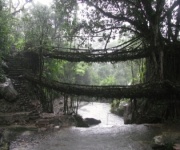
Living root bridges, monoliths, caves and sacred forest areas are central to the region’s identity. It is better to buy a small basket, textile or food product than to remove stones, plants, wood or fragments from a natural or heritage site. Never purchase items that appear to come from protected wildlife, archaeological sites or endangered materials.
This approach has a familiar parallel for Australian travellers. Just as visitors should buy Aboriginal art through reputable galleries or community-connected sellers and avoid unverified cultural objects, shoppers in Meghalaya should value transparency and fair representation. A seller who can explain the item’s material, origin and use is usually a stronger choice than a stall offering vague claims of rarity.
Comparing Stalls And Paying Fairly
Prices in Sohra can vary according to material, workmanship, size and season. A simple bamboo item may be priced for local household use, while a more carefully finished piece intended for visitors costs more. Compare two or three stalls, ask the price clearly and negotiate gently if bargaining is customary. Friendly conversation is more appropriate than pushing for the lowest possible amount.
Cash remains useful, particularly at smaller stalls and roadside displays. Carry small Indian rupee notes because sellers may not have change, and do not assume every market accepts international cards or reliable mobile payments. Australian dollars are not a practical substitute in local markets, so organise rupees before setting out for a day in and around Sohra.
A reasonable purchase should leave both sides comfortable. If a maker explains that an item took several hours to weave, its price deserves to reflect that labour. Paying fairly is a simple way to support local households and encourage the continuation of skills that visitors come to admire.
Planning A Market Visit Around Sightseeing
Markets are easiest to enjoy when they are included naturally in a day rather than treated as a rushed final stop. A morning visit can be followed by Nohkalikai Falls, Mawsmai Cave, Arwah Cave or a walk near a living root bridge, depending on the route and weather. Your driver or local guide can advise which roads are practical during periods of intense rain.
Sohra is spread across a wide, hilly area, and a market in town is not necessarily close to every attraction. Confirm the location before leaving your accommodation, especially if you are staying outside the central area. Comfortable shoes, a light rain jacket, drinking water and a waterproof pouch for your phone will make the outing easier.
- Carry a reusable bag and a small amount of small-denomination cash
- Photograph products only after asking the stallholder
- Keep receipts for packaged food and higher-value handicrafts
- Wrap bamboo, cane and textiles against rain during transport
Market etiquette is straightforward: greet people, handle fragile goods carefully and ask before taking portraits. If you are travelling from Australia during the dry winter months, remember that Meghalaya’s weather can still change quickly at any time of year. Allow extra time for traffic, slippery paths and short rain delays instead of packing the itinerary too tightly.
A carefully chosen market purchase can become one of the most memorable parts of a Sohra holiday. Select an object you can explain when you return to Perth, Adelaide, Canberra or the Gold Coast: who made it, what material it uses and why it belongs to Meghalaya. That small story gives a souvenir lasting value beyond its price.
Add a Sohra market visit to your Meghalaya itinerary and leave room for unhurried browsing between the region’s waterfalls, caves and forest paths. Contact India Beacons Sojourn to discuss a suitable tour or holiday package, then set out with space in your luggage for a meaningful local find.