





Where to find authentic Khasi jewellery in Meghalaya
Khasi jewellery carries the visual language of Meghalaya: silver, gold, beads and carefully chosen colours shaped into pieces for festivals, weddings, church gatherings and everyday dress. For travellers, the appeal lies in finding ornaments connected to Khasi culture rather than mass-produced souvenirs labelled “tribal” without a clear local story.
The most rewarding shopping often happens across Shillong and the hills around Sohra, also known as Cherrapunjee or Cherrapunji. Small craft shops, established jewellers, market stalls and artisan contacts each offer a different experience. A little preparation helps Australian visitors compare materials, understand prices in Indian rupees and bring their purchases home responsibly.
Start in Shillong for the widest choice
Shillong is generally the strongest place to begin a search for authentic Khasi ornaments. As Meghalaya’s capital, it has a larger concentration of jewellers, handicraft outlets and markets than the smaller hill towns. Police Bazaar is convenient for visitors staying centrally, while Bara Bazaar offers a busier, more local shopping atmosphere. Shops around Laitumkhrah and nearby neighbourhoods may also have more specialised collections.
Police Bazaar suits travellers who prefer a straightforward retail experience, with displayed pieces, fixed opening hours and easier access to transport. Bara Bazaar is more informal and crowded, so it rewards patience and careful inspection. The two markets can feel very different from the polished shopping centres familiar in Sydney, Melbourne or Brisbane, but this contrast is part of the pleasure of shopping in Shillong.
Khasi jewellery may appear alongside Assamese, Naga or pan-Indian designs, so ask specifically whether a piece is Khasi-made or simply inspired by northeastern styles. A seller who can explain the design, metal, beadwork and place of manufacture is usually a more useful contact than a stall offering the same item in many identical versions.
Explore Sohra and nearby craft connections
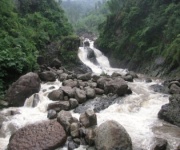
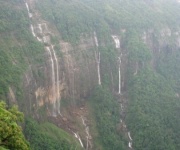
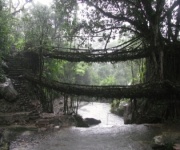
Sohra is better known for waterfalls, caves, monsoon landscapes and living root bridges than for a dedicated jewellery district. Even so, visitors may find locally made accessories through small craft outlets, resort gift areas, village entrepreneurs and guides with family or community connections. These options can be especially appealing when the purchase comes directly from a maker rather than through a large retail chain.
Ask your accommodation or local driver about current craft sellers before setting out. Businesses in the hills can change location, close on particular days or operate from a home workshop rather than a permanent storefront. A respectful introduction often leads to a more meaningful buying experience, especially when the seller can discuss how a necklace or pair of earrings is worn.
Sohra is also a practical base for travellers who want to combine shopping with cultural sightseeing. After visiting a waterfall or viewpoint, allow time to browse without rushing to the next attraction. The damp climate and frequent rain mean that delicate pieces should be protected in sealed packaging, particularly during Meghalaya’s wet season.
Know the forms and materials
Traditional Khasi adornment includes necklaces, earrings, bracelets and hair ornaments, with designs varying according to occasion, family preference and the maker’s interpretation. Silver-toned necklaces and coin-style pieces are commonly sought by visitors, while gold ornaments may be commissioned for weddings or ceremonial use. Beads, coloured glass, coral-like elements and metal pendants may appear in contemporary versions.
Names and spellings can vary between sellers and languages, so do not rely on a label alone. A vendor may use a local term, an English description or a broad phrase such as “Khasi traditional necklace”. Ask what the item is called locally, when it is worn and whether the design is a traditional pattern or a modern adaptation.
Material claims deserve particular attention. “Silver colour” does not necessarily mean sterling silver, and gold-plated jewellery should not be priced like solid gold. Look for a hallmark where appropriate, request a written invoice and ask whether stones or beads are natural, synthetic or glass. If the value is substantial, buy from an established jeweller who can provide documentation rather than making a cash purchase based only on appearance.
Shop ethically and respectfully
Authenticity is linked to people as much as materials. A fairly made piece should have a traceable seller, a clear price and a reasonable explanation of who produced it. Handwork may show small variations, which are often evidence of individual making rather than a defect. Avoid bargaining so aggressively that the price no longer recognises the time and skill involved.
Photography also requires courtesy. Ask before photographing a person, workshop, family collection or ceremonial ornament. Some designs may carry personal or cultural meaning, and a market stall is not automatically a permission-free photo opportunity. Travellers can browse Cherrapunjee.net’s photo album beforehand to get a sense of Meghalaya’s landscapes and travel settings without treating local people as part of the scenery.
Be cautious with antique-looking pieces. An old coin, religious object or heirloom should not be bought casually, and sellers may not always be able to establish legal ownership or export permission. New jewellery made in a traditional style is usually a simpler and safer choice for visitors who want a cultural keepsake.
Compare prices without losing the story
Prices can differ according to metal purity, weight, workmanship, age, stone quality and the reputation of the shop. Before negotiating, inspect two or three similar pieces and ask whether the quote includes a box, making charge and any certificate. Jewellery sold by weight should be weighed in front of you, with the calculation explained clearly.
Carry smaller rupee notes for markets, but keep larger sums discreetly secured. Many Indian businesses now accept digital payments, although connectivity, bank policies and machine availability are not consistent in hill areas. Australian travellers accustomed to tapping a card at every café should keep a backup payment method and avoid assuming that contactless payment will work at a small rural stall.
Use the current AUD-to-INR exchange rate as a guide rather than converting every price mentally at the counter. Your bank may add an overseas transaction fee, and an international card can sometimes be declined for security reasons. Ask for a printed or digital receipt, especially if the jewellery contains precious metal or the purchase is expensive.
Pack and bring jewellery home carefully
Protect jewellery from moisture, friction and pressure during the journey. A small zip pouch inside your carry-on luggage is preferable to checked baggage, particularly for valuable items. Keep invoices, certificates and photographs of hallmarks together in a travel document folder. Silver can tarnish in humid Meghalaya and during the journey, so anti-tarnish paper or a soft sealed pouch is useful.
Australian travellers should check current Australian Border Force and Department of Agriculture requirements before returning. Jewellery is generally different from food, plant material or animal products, but items containing feathers, shells, seeds, untreated wood or animal material may raise biosecurity questions. Declare anything that may be covered by the rules rather than guessing at the airport.
The value of your purchases can also matter. Australia has duty-free limits for arriving passengers, and expensive goods or multiple items may need to be declared or assessed. Rules can change, particularly for commercial quantities, precious metals and goods intended for resale. Keep receipts and use the official Australian Government guidance as the final reference instead of relying on an old travel blog.
Build jewellery shopping into a Meghalaya itinerary
A two- to seven-night Meghalaya holiday gives enough flexibility to pair shopping with the region’s better-known sights. A short stay can include Shillong markets before travelling to Sohra, while a longer package allows time for waterfalls, caves, villages and cultural visits without turning every day into a rushed shopping trip. Jewellery is easier to choose after seeing how local clothing and traditional accessories fit into the wider culture.
Visitors from Australia should also organise entry requirements early. Australian passport holders need to check the applicable Indian visa process and current conditions before booking flights; Cherrapunjee.net explains the visa requirements for foreign travellers to Meghalaya, alongside practical destination information. Allow time for passport validity, application details and any required travel documentation.
Plan market visits for daylight and leave space in your luggage for carefully packed purchases. If you are travelling in the monsoon, build in extra time for wet roads and changing conditions between Shillong and Sohra. Jewellery shopping works best as part of a broader cultural itinerary: meet the landscapes, eat local food, learn how communities live and then select an ornament with a clearer understanding of its setting.
The best places to buy authentic Khasi jewellery are not limited to one famous shop. Shillong provides the broadest comparison, Sohra offers personal local connections and established jewellers can give the documentation needed for valuable pieces. Choose slowly, ask respectful questions, confirm the materials and keep every receipt.
For a Meghalaya holiday that combines Sohra’s waterfalls and caves with market time in Shillong, explore the travel packages and accommodation information on Cherrapunjee.net. India Beacons Sojourn can help with booking enquiries, allowing you to arrange the route, nights and local experiences before setting out from Australia.