





Roasted Corn And Tea Stops Around Cherrapunjee
Travelling through Cherrapunjee, also known as Sohra or Cherrapunji, is as much about the small roadside pauses as it is about dramatic waterfalls and limestone caves. After a winding drive through Meghalaya’s green hills, a steaming cup of tea and a cob of corn roasted over charcoal can feel like a proper part of the journey rather than a quick snack.
For visitors from Australia, these stalls offer a different rhythm from the polished cafés of Melbourne, Sydney or Brisbane. There may be no printed menu, card machine or uniform service, yet the food is fresh, inexpensive and closely connected with local life. The stall might sit beside a viewpoint, near a village turn-off or outside a small market where residents stop on their way home.
A food-focused drive can easily be added to a Cherrapunjee holiday package, whether the trip lasts two nights or a full week. The best approach is to leave space in the itinerary for weather, conversation and spontaneous stops. In the hills, the most memorable cup of tea is often found beside the road rather than inside a formal restaurant.
Why Roadside Food Belongs In A Sohra Trip
The road from Shillong towards Sohra passes through highland scenery shaped by monsoon rain, cloud and steep valleys. Roadside vendors understand that travellers need warmth and energy, particularly during the cooler months or after walking around a waterfall. Their stalls are practical places to dry off, watch passing traffic and enjoy food prepared directly in front of you.
Fresh corn is usually roasted over hot coals until the outer kernels darken in places. The vendor may turn the cob by hand, brush it with salt and lemon, or add chilli according to your preference. The result is smoky, sweet and slightly sharp, with a texture that is more rustic than supermarket corn in Australia.
Tea is equally central to the experience. A small glass or cup of sweet milk tea can restore you after a slippery trail, while black tea may be available for travellers who prefer a lighter drink. In some places, ginger, cardamom or locally familiar spices add fragrance. The serving style is simple, but the warmth is welcome when mist settles over the road.
Where The Most Enjoyable Stalls Appear
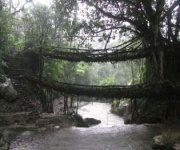
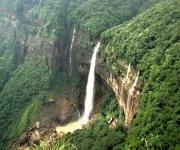
The strongest possibilities are found along busy routes connecting Shillong, Sohra and nearby attractions. Look around junctions leading towards Nohkalikai Falls, Mawsmai Cave, Seven Sisters Falls and the living root bridges. Stalls near popular sights often open in response to visitor traffic, although hours can change with rain, road conditions and the season.
Viewpoints and village markets are particularly good places to pause. A stall beside a broad valley may serve corn to visitors taking photographs, while a market-side tea shop is more likely to cater to local workers and families. The latter can be a useful place to observe everyday shopping, hear Khasi conversation and find simple savoury snacks alongside tea.
There is no guaranteed single vendor that remains in the same location throughout the year. Local conditions matter. A heavy downpour may close a small stand, and a quiet weekday can offer fewer choices than a busy holiday period. Your driver or accommodation host will usually know which stalls are operating that day and which roadside stops are safest in current weather.
Choosing A Fresh Roast And A Clean Cup
A busy stall is often a reassuring sign because ingredients are being used regularly. Watch for corn that is stored cleanly and roasted only when ordered, rather than cobs that have been sitting in the open air for a long time. The charcoal should be hot, with the vendor able to turn the corn steadily so it cooks without burning the outside too quickly.
Observe the water and utensils used for tea. Bottled or treated water is preferable, and cups should look clean even when the setting is basic. Visitors with sensitive stomachs can choose tea served piping hot and avoid raw garnishes or ice. Carrying hand sanitiser is sensible after handling cash, especially before eating.
Prices are generally modest, but it is useful to carry small Indian rupee notes and coins. Australian travellers are accustomed to widespread contactless payment at cafés and farmers’ markets, yet a rural Meghalaya stall may accept cash only. Ask the price politely before ordering if the arrangement is unclear, then allow the vendor time to prepare the food.
Flavours Beyond Butter And Sugar
The classic corn seasoning is a combination of salt, citrus and chilli. You can request a mild version if you prefer the sweetness of the roast to stand out. For Australians used to barbecue corn with butter, the smoky charcoal and sharp lemon provide a memorable alternative. Some stalls may also offer boiled corn, roasted peanuts or small packets of biscuits.
Tea culture varies from stall to stall. Sweet milk tea is a dependable choice, especially in cool weather, while ginger tea suits a rainy afternoon. If you prefer less sugar, say so before the cup is prepared. Local tea is often sweeter than a standard flat white or long black ordered in a Sydney café, and the serving size may be smaller.
A roadside snack can fit neatly between larger meals. On a day visiting caves and waterfalls, roasted corn is easier to carry and eat than a full plate of food. It also leaves room to try Khasi and Meghalaya specialities later at a restaurant or homestay. Travellers who enjoy local food can use travel planning help to shape a route that balances sightseeing with regional eating experiences.
Building A Day Around Small Stops
Begin early from Shillong or your Cherrapunjee accommodation, particularly if you want to visit several attractions. Morning roads can be misty, and popular locations become busier later in the day. A first tea stop gives you a chance to warm up before continuing towards viewpoints, caves or waterfall walks.
Allow extra time for wet-season travel. Meghalaya is famous for intense rainfall, and water can slow traffic, make footpaths slippery and change the appearance of falls within hours. A flexible driver-led itinerary is more comfortable than trying to schedule each roadside stop to the minute. Keep a light rain jacket accessible rather than buried in your luggage.
Couples may enjoy combining a quiet food stop with scenic places listed in romantic Cherrapunjee spots. Families and older travellers can also benefit from short breaks, since the hill roads involve bends and changing elevations. A warm drink, a stretch and a few minutes of fresh air can make the next section of the drive easier.
Practical Choices For Australian Visitors
Australian travellers often plan around familiar habits: coffee before a morning drive, tap-and-go payments and clearly marked food venues. Cherrapunjee rewards a little flexibility. A roadside tea stall may have no formal seating, but it can provide a more direct connection with the region than a standard tourist café. Treat the stop as part of the cultural experience while keeping sensible food and hygiene habits.
Weather and clothing deserve attention. Even visitors arriving from a mild Melbourne winter or a warm Perth summer may find Sohra cool, damp and windy, especially near exposed viewpoints. Pack quick-drying layers, comfortable walking shoes and a waterproof outer shell. A compact umbrella can help in town, though it is less practical on steep trails.
Respect for local communities is important. Ask before photographing vendors or residents, avoid blocking the stall entrance and dispose of wrappers properly. English is widely useful in tourism settings, and a friendly greeting followed by a clear order is generally enough. Tipping is not required in the same automatic way it may be expected in some Australian hospitality settings, though rounding up or expressing thanks is appreciated when service has been helpful.
Use the following guide when deciding which kind of stop best suits your day:
- Choose a busy village stall when you want fresh turnover, local atmosphere and a wider choice of snacks.
- Choose a viewpoint stall when scenery matters as much as the food, while checking that rain has not made the area slippery.
- Ask for mild chilli and less sugar if you prefer flavours closer to familiar Australian café food.
- Carry small rupee denominations, tissues, hand sanitiser and a reusable water bottle.
- Eat the corn while it is hot, and give yourself time to check the cob for very charred kernels before taking it on a walk.
| Stop type | Best for | What to order | Useful consideration |
|---|---|---|---|
| Village market stall | Local atmosphere and everyday shopping | Milk tea, roasted corn and peanuts | Usually busier at practical shopping hours |
| Waterfall or cave approach | A quick snack between attractions | Lemon-chilli corn and hot tea | Seating may be limited |
| Scenic viewpoint stand | Views and photographs | Charcoal corn with mild seasoning | Weather can change quickly |
| Small roadside tea shop | Shelter during rain | Ginger tea and a simple snack | Carry cash and allow extra preparation time |
The pleasure of these stops lies in their ordinary character. A vendor turning corn over charcoal, steam rising from a metal pot and clouds moving across the hills can create a stronger memory than a carefully staged dining experience. For guests staying at local resorts or hotels, asking staff about the day’s open stalls is often the fastest way to find a worthwhile stop.
Include time for freshly roasted corn and tea when arranging your Cherrapunjee tour with India Beacons Sojourn. Contact the team through Cherrapunjee.net to plan a comfortable route around the weather, attractions and local food experiences that make a Meghalaya journey distinctive.