





Cherrapunjee Hammock Spots for a Slow Day in the Khasi Hills
For Australian travellers craving a genuine switch-off, Cherrapunjee offers something most weekend escapes around Brisbane or Melbourne cannot: a place where monsoon mist drifts through ancient rainforest and the only sound is a distant waterfall. This is one of the wettest spots on the planet, yet between showers the air feels soft enough to fall asleep in, and the terrain invites the humble hammock like nowhere else in South Asia.
A hammock day here is less about adrenaline and more about settling into a rhythm the land already knows. You will not find a crowded lookout queue or a ticketed viewing platform; instead, you will find quiet clearings, mossy boulders, and the occasional double-decker root bridge that locals have been tending for generations. It is a different kind of indulgence from a Gold Coast resort week, and that contrast is exactly the point.
Getting here requires more than a quick flight, but the reward is a kind of silence that has become rare. Australian travellers used to driving long distances across the Nullarbor will find the winding roads into Meghalaya familiar in spirit, even if the scenery is wildly different. Once you arrive, a single strung-up afternoon can stretch into a memory that lasts longer than any itinerary highlight.
The following guide covers where to hang your hammock, what to bring, and how to make the most of a slow day in this corner of Northeast India. It draws on years of guiding visitors through the wettest place on Earth and aims to help you leave the rush at home.
Why Cherrapunjee Suits a Hammock Day
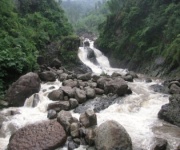
Cherrapunjee sits on the southern edge of the Khasi Hills, where the cliffs drop away toward the Bangladesh plains and the rain collects in cascades that have carved the limestone into caves and gorges. The elevation keeps temperatures mild year-round, which is welcome news for Australians escaping either the summer heat of Perth or the awkward humidity of a Sydney February. Daytime highs rarely climb above the mid-twenties Celsius, and the mornings arrive wrapped in cloud rather than harsh sun.
The local culture is relaxed and unhurried, shaped by centuries of village life and a deep connection to the forest. Khasi families often host visitors with home-cooked meals of rice, smoked pork, and fermented soy, served in bamboo trays you can balance on your knees. This hospitality makes a hammock afternoon feel like a natural extension of how people already spend their time here, rather than a tourist activity transplanted from somewhere else.
Living Root Bridges and Hammock Time
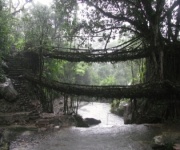
The living root bridges around Cherrapunjee are grown, not built, with the roots of rubber fig trees trained across rivers over decades. After the walk down to Nongriat, where the famous double-decker bridge stands, visitors often collapse into nearby clearings and simply listen to the water below. Hammocks tied between the trunks of fig trees or along the riverbank turn this rest stop into the main event, especially when the mist rolls in and swallows the valley.
Reach the area by sharing a jeep from the Sohra market or by arranging a guided trek through your resort. Most travellers from Australia will find the descent manageable with sensible footwear, though the wet stone steps demand care after rain. Plan to spend at least a few hours at the bottom, because the climb back up feels twice as long when you are tired.
Waterfalls Worth Falling For
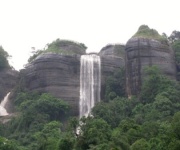
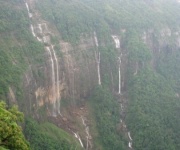
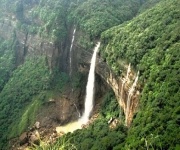
Cherrapunjee is home to some of the tallest plunge waterfalls in India, including Nohkalikai and Seven Sisters Falls. The lookouts can feel brisk and breezy, which is exactly when a hammock comes into its own. Many of the smaller waterfalls, like Wei Sawdong or Dainthlen, have quieter pockets where local guides know a flat rock or a sturdy pair of trees perfect for a long lunch and a longer nap.
Bring a light rain jacket even in the dry months, because showers arrive without warning and disappear just as quickly. A microfibre towel and a dry bag for electronics are essentials that Australian travellers, used to sudden coastal weather in Tasmania, will appreciate packing. After a soak in the spray, retreating to a strung-up hammock with a hot cup of Khasi tea feels like a small luxury.
Caves for Quiet Hours
The limestone around Cherrapunjee hides dozens of caves, including Mawsmai and Arwah, where stalactites hang like chandeliers and the air stays cool even on warmer days. Cave entrances often have shaded grassy banks where hammocks can be slung between two trees without disturbing the moss. The caves themselves are best explored with a local guide, who can point out the formations and the small creatures that call them home.
Australians accustomed to the show caves of the Margaret River region or Jenolan will find these formations less polished but more atmospheric, lit by the occasional gap in the rock where jungle light spills in. Spend an hour inside, then retreat to your hammock outside for the contrast. The shift from cool dark to warm green is its own kind of reset.
Hilltop Resorts with Hammock Corners
Several resorts around Cherrapunjee have built hammock-friendly gardens into their grounds, recognising that many visitors want nothing more than a quiet corner with a view. Properties near the main viewpoints offer strung-up afternoons with tea included, and some have private decks overlooking the Bangladesh plains where the sunset turns the clouds pink. Booking ahead is wise, especially between October and May when the weather is driest.
If you want to know how these resorts are chosen and what to expect from the local team, the about us page explains the operators behind the packages and the kind of stays they curate. It is worth a look before you finalise dates, especially if you are combining a hammock day with treks further afield.
What to Pack for a Lazy Day Outdoors
A hammock day in Cherrapunjee rewards a small, thoughtful kit rather than a heavyweight backpack. A lightweight single or double hammock with tree-friendly straps is the first item, followed by a compact rain poncho that fits over your head without taking the hammock down. Food-wise, think of it like a long Sunday drive through the Aussie bush: pack a thermos, some biscuits, fruit, and a snack that does not spoil easily.
Other essentials include a headlamp for cave detours, a power bank rated for humid conditions, insect repellent, and quick-dry clothing. Australians used to coastal camping will already know most of this, though the leeches here deserve a mention. Salt sachets and a small first-aid kit go a long way toward peace of mind when you are off the main paths.
Practicalities for Travellers from Australia
There are no direct flights to Guwahati from Australia, but connections via Singapore, Kuala Lumpur, or Delhi run smoothly and put you within a short hop of Meghalaya. From Guwahati airport, Cherrapunjee is roughly a five-hour drive, often longer in rain, so plan an overnight in the city if your flight arrives late. Indian e-Visas are available to Australian passport holders and cover the region without additional permits for the standard tourist trail.
Currency exchange is straightforward at the airport or in Shillong, and most resorts accept card payments, though small homestays may prefer cash. Mobile data works in the main towns but can be patchy in the valleys, so download offline maps before you leave Shillong. Australians used to driving on the left will feel at home on the road, although the road conditions demand more patience than a Pacific Highway commute.
Gentle Recommendations for a Slow Day
If a hammock afternoon sounds like the kind of reset you have been chasing, a few small choices make the experience smoother.
- Choose a hammock with a built-in bug net if you are visiting between April and September, when insects are most active.
- Aim to arrive at your chosen spot before lunch so you have time to settle, eat, and watch the light change before napping.
- Carry a small dry bag for your phone, passport, and a spare battery, because humidity finds everything.
- Drink more water than you think you need; the cool air can mask dehydration, especially on walking days.
- Leave your chosen clearing exactly as you found it, including food scraps, and respect any signs around sacred sites.
- Talk to locals before stringing your hammock between trees on village land; a quick permission check avoids awkwardness and often leads to better spots.
A hammock day in Cherrapunjee is not about ticking off a list. It is the kind of afternoon that reminds you how much rest your body actually needs, and how easy it is to forget when life moves at the pace of an Australian work week. When you are ready to plan the trip, reach out to the Cherrapunjee team through their website to discuss packages, transfers, and the best hammock-friendly stays across the Khasi Hills. A slower kind of holiday is closer than you think, and the rainforest is already waiting.