





When the Rain Stops: Clear Views of Cherrapunjee's Living Root Bridges
Cherrapunjee, known locally as Sohra, sits on the southern edge of the Khasi Hills in Meghalaya and records some of the highest annual rainfall on Earth. The living root bridges woven from the aerial roots of Ficus elastica trees draw travellers from across the globe, yet seeing them clearly depends almost entirely on timing. The interplay of cloud, mist and cascading water changes dramatically from one month to the next, and Australian visitors often arrive with a fixed idea of when they want to travel, only to discover that local weather patterns follow their own rhythm.
For most travellers departing from Sydney, Melbourne or Brisbane, the journey to Meghalaya begins with a flight to Guwahati, followed by a scenic drive of roughly four to five hours. The distance feels considerable, which is why planning the season carefully matters more here than in destinations with stable weather. A clear morning at Nongriat or Mawlynnong can reveal the emerald plunge pools beneath each bridge in sharp detail, while a wet afternoon reduces the same path to a blur of grey vapour. Understanding the climate calendar becomes the difference between photographing an icon and simply hiking through fog.
Meghalaya sits within the same broad monsoon belt that shapes travel across South and Southeast Asia. Australians familiar with the wet season in Bali or Phuket will recognise the pattern, though Cherrapunjee receives roughly three to four times the annual rainfall of those island destinations. The local economy, transport network and even the maintenance of the root bridges themselves all bend around the rains. Travellers who align their itinerary with the drier windows tend to find cleaner paths, friendlier guides and more reliable accommodation.
Many Australian travel agents now compare Northeast India with the more familiar Thai islands when advising clients on shoulder-season escapes. Side-by-side guides such as this regional comparison help frame expectations around humidity, rain and visibility. The principles overlap more than visitors expect, particularly when weighing the comfort of a beach resort against the adventure of a mountain trek.
Meghalaya's monsoon rhythm and what it means for visibility
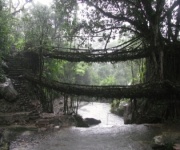
The southwest monsoon arrives over the Khasi Hills between late May and early June, bringing prolonged spells of heavy rain that continue with little break until late September. During the peak of the monsoon, Cherrapunjee can receive over 900 millimetres in a single month, and the clouds settle low over the valleys for days at a time. The living root bridges themselves remain structurally sound, as they have for centuries, but the surrounding jungle becomes saturated, paths turn slippery, and viewpoints vanish into mist. Photography of the famous double-decker bridge at Nongriat or the single-span bridge at Mawlynnong becomes a matter of luck rather than planning.
Humidity levels during these months regularly exceed 90 percent in the early mornings, which affects not just comfort but also lens fog and the performance of camera equipment. Australian photographers used to the dry light of the Red Centre or the coastal clarity of the Great Ocean Road often struggle with the heavy moisture. Local guides typically recommend carrying silica gel packets and waterproof covers, though no amount of preparation can manufacture a view the clouds refuse to surrender.
By late August, the frequency of heavy showers begins to ease, though overcast conditions persist well into September. The rivers running through the valleys stay swollen, and the sound of falling water echoes from every direction. For travellers who do not mind muddy trails and atmospheric conditions, this stretch offers a raw, dramatic version of the region that the clear months never quite match.
The post-monsoon window: October to November
The first truly reliable window for clear views opens in early October, when the monsoon retreats and the skies begin to clear from the north. October and November are widely considered the best months to visit Cherrapunjee, combining mild temperatures, lower humidity and a high probability of crisp, bright mornings. Daytime temperatures hover between 15 and 22 degrees Celsius, cool enough for comfortable hiking but warm enough to sit outside and enjoy the views.
Visibility during this stretch can extend for many kilometres, revealing the layered ridges of the Khasi Hills and the distant plains of Bangladesh. The living root bridges stand out sharply against the green backdrop, and the plunge pools beneath them take on the deep turquoise colour that fills guidebooks and travel features. Australian visitors travelling during the school holidays in late September or early October should book accommodation several months ahead, as the limited number of resorts in Sohra fill quickly during this short peak.
November marks the end of the main tourist season and brings the festival of Ka Pamblang Nongrem, one of the most important cultural events in the Khasi calendar. Travellers who time their visit around the festival gain insight into local music, dance and food, while also enjoying stable weather. It is worth noting that Diwali falls in late October or early November depending on the lunar calendar, and several resorts in the region offer special packages that align with the broader travel circuit from Delhi, Kolkata and Guwahati.
Winter dry season: December to February
December through February delivers the driest conditions of the year, with minimal rainfall and consistently clear skies. Mornings can be cold, particularly in the higher villages, with temperatures occasionally dropping below eight degrees Celsius. Frost is rare but not unheard of in elevated areas near Mawsmai and Mawmluh. The trade-off is exceptional visibility, which makes these months popular with trekkers and landscape photographers.
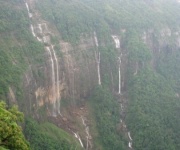
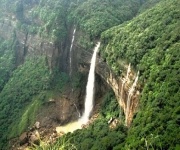
However, the dry winter air also brings its own challenges. The trails become dustier, and the famous waterfalls such as Nohkalikai and Seven Sisters often reduce to a thin trickle. The living root bridges remain intact and visible, yet the surrounding landscape loses some of its lush character. Travellers seeking the classic image of a thundering cascade behind a root bridge may find the winter months visually quieter than expected.
Australian retirees and couples travelling outside the school holiday peaks often favour February for this reason. The crowds thin out after the Christmas and New Year rush, and the rates at many guesthouses drop noticeably. Daylight hours remain generous, typically running from 6am to 5:30pm, which gives ample time for the steep descent to Nongriat and the climb back up. Anyone with knee or joint concerns should plan a two-day visit to spread the effort.
Spring approaches: March to early May
March signals the slow return of pre-monsoon heat, with daytime temperatures climbing back towards 25 degrees Celsius. The humidity remains low through much of March, and the views stay reliably clear. Wildflowers begin to appear along the ridge trails, and the birdlife becomes more active after the quieter winter months. This is a particularly rewarding time for visitors interested in natural history as well as landscape.
By April, conditions grow noticeably warmer, and the first pre-monsoon thunderstorms begin to build in the afternoons. These short, sharp showers offer a preview of the coming wet season and can briefly clear the air in spectacular fashion. Photographers sometimes plan their shoots around these late-afternoon storms, capturing dramatic light as the sun breaks through. The root bridges themselves, with their complex lattice of roots, take on a sculptural quality against the moody skies.
Early May represents the last reasonable window before the monsoon settles in. Australian travellers on a tight schedule who cannot travel during the post-monsoon months sometimes use this final pre-rain stretch for a quick visit. Accommodation remains available, and the trails are at their quietest of the year. Those interested in extending the trip can combine a Cherrapunjee visit with a few days in Shillong or a detour to Dawki, where the Umngot River offers glass-clear boat rides during this dry stretch.
Practical timing tips for Australian visitors
Australian travellers planning a Cherrapunjee itinerary should think carefully about the time difference, which sits at UTC+5:30 against Australian Eastern Standard Time. A flight departing Sydney in the evening typically arrives in Guwahati the following morning after a stopover in Singapore or Kuala Lumpur. Allowing at least two days for the return journey and a buffer for weather delays is wise, particularly during the shoulder months when fog can affect early morning flights into the regional airport.
Packing should account for the specific season chosen. During the post-monsoon and winter months, layered clothing works well, with a warm fleece for the early morning hikes. A lightweight rain jacket is essential year-round, as sudden showers can arrive even during the driest weeks. Australian customs allow the import of most personal items, and visitors often pick up local Khasi products such as honey, spices and handwoven fabrics before flying home.
Booking through an experienced local operator remains the most reliable way to secure permits, transport and accommodation. Resources such as the Cherrapunjee links page provide up-to-date information on partner hotels, transport services and tour options. Travellers should also confirm the status of the living root bridges before arrival, as the most remote structures occasionally require days to reach and may be affected by local conditions.
Recommendations for timing your visit
- Aim for late October or November for the best balance of clear weather, mild temperatures and cultural events.
- Choose December through February if you prioritise dry skies and empty trails, and pack for cool mornings.
- Avoid June through early September unless you specifically want a dramatic, misty atmosphere and do not mind the rain.
- Plan a minimum of three nights in Cherrapunjee, with two dedicated to the Nongriat trek, to allow for weather adjustments.
- Combine the post-monsoon window with the Shillong and Dawki circuit for a fuller Meghalaya experience.
- Confirm all transport and permits at least four weeks ahead, particularly if travelling during Australian school holiday periods.
The living root bridges of Cherrapunjee reward travellers who match their timing to the rhythms of the Khasi Hills. A clear morning at Nongriat, with the double-decker structure rising from the forest and the pool below catching the first light, remains one of the great travel images of South Asia. Australian visitors who plan around the post-monsoon or winter windows give themselves the best chance of seeing the bridges as they appear in the photographs, rather than as a suggestion in the mist.
The team behind cherrapunjee.net, operated by India Beacons Sojourn, helps travellers build itineraries that match their preferred season, fitness level and interest. Whether you are looking for a relaxed two-night stay or a full week of trekking, caving and village visits, the resources and contacts available through the site make the planning stage straightforward. Reach out through the booking page to start shaping a trip that lands in the right window, and let the bridges of Meghalaya do the rest.