





When to see Meghalaya’s living root bridges in full leaf
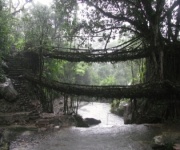
The living root bridges of Meghalaya are most impressive when the forest around them is dense, green, and alive with moisture. These remarkable footbridges, shaped from the aerial roots of rubber fig trees by generations of Khasi and Jaintia communities, are living structures rather than finished monuments. Their appearance changes with rainfall, sunlight, trail conditions, and the surrounding canopy.
For many travellers, the ideal season is the period just after the heaviest monsoon rains, from October to early November. The foliage remains luxuriant, streams and waterfalls are still flowing strongly, and paths are generally more manageable than during the peak wet season. The exact experience varies between bridges, however, so the best month depends on whether you value maximum greenery, easier walking, or a quieter trail.
A visit also benefits from practical planning. Cherrapunjee, also known as Sohra or Cherrapunji, receives some of the highest rainfall on Earth, and weather can shift quickly. Checking the region’s travel resources before setting out helps with accommodation, attractions, local transport, and route planning.
Why the rainy season changes the landscape
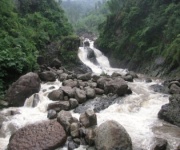
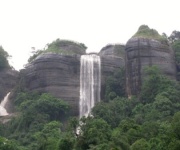
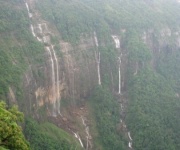
The southwest monsoon usually reaches Meghalaya between June and September. During these months, Sohra’s hillsides become intensely verdant. Moss spreads over rocks, ferns unfurl beside streams, and the broad leaves of the forest canopy create a rich backdrop for the bridges. Rain also fills ravines and gives many nearby waterfalls their greatest volume.
This is the season when the living root bridges can look most dramatic in photographs. Wet roots appear dark and textured, while the surrounding vegetation has a saturated green colour. Mist often hangs over the valleys, adding atmosphere to viewpoints and forest paths. For visitors focused purely on lush scenery, July through September can offer the fullest expression of the monsoon landscape.
Peak rainfall also brings real limitations. Trails may become slippery, steps can be muddy, and small streams may rise rapidly. Heavy showers can delay vehicles or obscure viewpoints, while persistent cloud may reduce visibility across the surrounding hills. Some routes require long descents and steep climbs, so wet conditions make the trek more tiring and increase the need for careful footwear.
The sweet spot after peak monsoon
October is often the strongest all-round choice for seeing the bridges surrounded by full leaf. The main monsoon has usually eased, but the forest has not yet lost its moisture-rich character. Trees, vines, mosses, and ground plants remain vibrant, and waterfalls continue to benefit from the rain that fell during the preceding months.
Early November can also be excellent, especially for travellers who prefer more stable walking conditions. Trails may be less waterlogged, and there is often a better balance between clear views and green vegetation. Conditions are never guaranteed in a cloud forest, but the likelihood of completing a trek comfortably is generally better than during the wettest part of the year.
The most suitable period depends on the particular bridge. The Double-Decker Living Root Bridge near Nongriat involves a demanding descent of roughly 3,000 steps, followed by the return climb. A clear or lightly cloudy October morning can make this route considerably more enjoyable. Shorter walks to bridges near Riwai or Tyrna may be easier to manage in either late monsoon or early post-monsoon weather.
How each season looks on the trail
Living root bridges remain leafy throughout much of the year because the rubber fig is evergreen, but the surrounding forest does not look identical from month to month. The table below offers a practical seasonal comparison rather than a fixed weather guarantee.
| Period | Foliage and bridge setting | Trail conditions | Best suited to |
|---|---|---|---|
| March to May | Green forest with warmer, clearer intervals; occasional spring flowers | Usually more manageable, though some paths can be dry and dusty | Longer hikes, photography, and travellers avoiding heavy rain |
| June to September | Deepest green, abundant moss, mist, and powerful streams | Very wet, slippery, and sometimes affected by high water | Visitors seeking peak monsoon atmosphere and dramatic waterfalls |
| October to early November | Full leafy canopy, fresh moss, strong residual waterfall flow | Often the best balance of moisture and walkability | First-time visitors wanting lush scenery with more reliable trekking |
| Late November to February | Evergreen forest remains attractive, but some undergrowth may look less saturated | Generally drier and easier, with cooler mornings | Comfortable sightseeing, viewpoints, and relaxed exploration |
The bridge itself does not suddenly become “full leaf” in one particular week. Its living roots continue growing year-round, while the sense of fullness comes from the entire ecosystem: canopy trees, ferns, creepers, moss, streamside plants, and damp rock surfaces. This is why the post-monsoon period can feel as lush as the height of the rains while offering a more practical travel experience.
Choosing the right month for your priorities
Choose July to September if waterfalls, cloud, and intense monsoon greenery are central to the trip. The forest can appear almost luminous after rainfall, and streams around the root bridges may be especially photogenic. Build flexibility into the itinerary, since a day of heavy rain may require postponing a longer trek.
Choose October or early November if you want the strongest combination of green scenery and manageable conditions. This window is particularly appealing for families, photographers carrying equipment, and travellers combining the bridges with caves, waterfalls, viewpoints, and village visits. Morning departures are useful because they leave more time for the trail and reduce the chance of returning after dark.
Choose December to February if comfort and clearer travel logistics matter more than maximum saturation of colour. The forest is still beautiful, and evergreen roots remain the defining feature of the bridges. However, the landscape may look less intensely wet and mossy than it does after the monsoon. Cooler, drier weather can be an advantage for steep walks, especially when the route includes hundreds or thousands of steps.
Spring, from March to May, offers another worthwhile option. Temperatures can feel warmer, yet the forest retains its evergreen character. This is a practical season for visitors who want to spend several days exploring Sohra without committing to monsoon trekking. Local weather can still bring showers, so rain protection remains sensible.
Planning a bridge visit around the weather
Start the trek early in the day. Morning light is gentle for photographs, trails are usually quieter, and an early departure provides a buffer if the route takes longer than expected. Allow more time than the map suggests, since steep steps, photo stops, stream crossings, and rests can significantly extend the journey.
Wear shoes with reliable grip rather than smooth-soled trainers. A lightweight waterproof jacket, quick-drying clothing, spare socks, and a small dry bag are useful in every season. During the wet months, trekking poles can provide extra stability on muddy sections. Carry drinking water and snacks, while remembering that plastic waste should not be left on the trail.
A local guide is valuable on longer or less familiar routes. Guides can help with directions, weather judgement, river crossings, village etiquette, and information about how the root bridges were trained and maintained. These structures are part of a living cultural landscape, so visitors should avoid climbing on fragile roots, loosening stones, or treating the bridge as an amusement feature.
Plan transport with the return journey in mind. A bridge trek may finish in a village rather than beside a major road, and mobile connectivity can be inconsistent. Confirm the vehicle arrangement, keep some cash available, and avoid scheduling a tight transfer immediately after a strenuous hike. If you are travelling from outside India, check current entry and identification requirements well before the trip, as documentation rules can change.
Seeing more than the bridge
The root bridges are best understood as part of Meghalaya’s Khasi heritage and forest ecology. They demonstrate how communities adapted living trees to create durable crossings over streams and ravines. Some bridges have taken decades to develop, and their continued strength depends on care, new roots, and local knowledge.
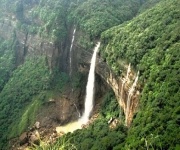
A multi-day stay in Cherrapunjee makes it easier to combine a bridge trek with Nohkalikai Falls, Mawsmai Cave, Arwah Cave, Seven Sisters Falls, forest viewpoints, and nearby villages. Staying longer also gives the weather room to change; a rainy afternoon need not spoil the entire visit when another morning is available for the trail.
Cultural timing can add another dimension to the journey. Visitors interested in Khasi traditions may find useful background in this guide to Khasi lunar celebrations, particularly when planning a trip around local festivals and community events. Any visit should be respectful: ask before photographing people, follow village instructions, and remember that the bridges remain part of everyday life rather than isolated tourist displays.
A simple seasonal plan for a greener visit
The following choices help match expectations with the conditions most likely during each travel window:
- Book October or early November for a balanced combination of full foliage, flowing waterfalls, and more dependable trekking weather.
- Select July to September for the richest monsoon scenery, while allowing spare days for rain-related delays.
- Pick December to February when easier trails, cooler walks, and clearer road travel are more important than peak mossy greenery.
- Begin long routes early, carry waterproof layers, and arrange a local guide and return transport in advance.
- Add at least one extra day to a multi-attraction itinerary so changing cloud and rain do not dictate the entire schedule.
The most memorable visit is rarely determined by a single weather statistic. It comes from allowing enough time to walk slowly, notice the roots woven through stone, listen to water beneath the bridge, and appreciate the forest that keeps the structure alive. Late monsoon and early post-monsoon months usually provide the finest balance, but every season offers a different view of Sohra’s living landscape.
Reserve a Cherrapunjee stay and plan a guided Meghalaya itinerary around the bridge that suits your walking ability and preferred season. With the right timing, practical clothing, and enough time for the weather to unfold, the living root bridges can be experienced at their greenest and most atmospheric.