




The best time to see Cherrapunjee’s living root bridges
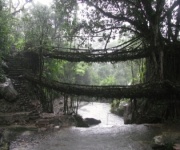
Cherrapunjee, also known as Sohra or Cherrapunji, is home to some of Meghalaya’s most remarkable natural landmarks: living root bridges shaped from the aerial roots of rubber fig trees. These structures are functional pieces of local heritage, grown and strengthened over decades by Khasi communities rather than assembled from timber, concrete, or steel.
The season you choose can change the character of the walk. Dry months generally offer firmer trails and easier river crossings, while the monsoon brings powerful waterfalls, mist-covered hills, and intensely green forest. The same rain that makes Meghalaya spectacular can also make the approach to a root bridge slippery and physically demanding.
For most visitors, October to April provides the most comfortable balance between scenery, access, and walking conditions. However, the ideal month depends on whether you value lush landscapes, cool weather, fewer visitors, or the dramatic force of the rainy season.
How the seasons shape the experience
The southwest monsoon usually affects Sohra from May through September, with the heaviest and most persistent rain commonly occurring between June and August. During this period, streams swell, steps become slick, and forest paths may hold mud for days. The journey to Nongriat, where the famous Double-Decker Living Root Bridge stands, requires a long descent and climb on stone steps, so wet conditions can significantly increase the effort.
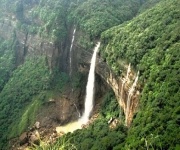
Rainy weather also has clear rewards. Waterfalls such as Nohkalikai, Wei Sawdong, and Dainthlen are at their most energetic, small cascades appear beside forest trails, and the hills develop the vivid green appearance associated with Cherrapunjee. Low cloud and mist can create a dramatic atmosphere around the bridges, although visibility may change quickly.
October marks a gradual shift toward clearer weather after the main monsoon. Trails may still be damp early in the month, but the countryside remains green and streams continue to flow strongly. By November, walking conditions are usually more predictable, making it one of the most attractive periods for visitors who want both scenery and manageable trekking.
The most comfortable months for a bridge walk
November through February is often the easiest season for exploring the living root bridges. Days are generally cool and suitable for sustained walking, while lower rainfall reduces the risk of slippery paths. Morning departures are especially pleasant, with soft light filtering through the forest and fewer people on the route before midday.
Winter does not make the landscape dry or lifeless. The surrounding valleys retain their forest cover, and many waterways continue to run, although some smaller cascades may be less forceful than they are during the rains. The air can feel crisp in the early morning, so a light jacket is useful before the walk warms up.
March and April are also good choices, particularly for travellers who prefer slightly warmer days. The forests remain attractive, and the trails are often easier than during the monsoon. Afternoon showers can begin to appear as the pre-monsoon period approaches, so an early start remains a sensible choice.
Visitors arranging a longer Meghalaya holiday can combine the bridge trek with waterfalls, caves, viewpoints, and village visits. A six-night Meghalaya package can allow enough time to explore Sohra without compressing the root bridge walk into a rushed day.
Choosing between Nongriat and Riwai
The Double-Decker Living Root Bridge near Nongriat is the destination most travellers have in mind when planning a root bridge trek. Reaching it involves descending thousands of steps from Tyrna village, crossing forested terrain, and later climbing the same route back. The walk is rewarding but demanding, especially in humid weather or after rain. Strong footwear, water, and sufficient time are essential.
The bridge itself demonstrates how Khasi communities have guided living tree roots across streams and ravines. The roots continue to grow, allowing the structure to become stronger with age when cared for properly. Nearby pools and forest scenery add to the experience, although swimming conditions should be assessed locally because water levels and currents can change after rainfall.
Riwai Living Root Bridge near Mawlynnong is generally more accessible and can suit travellers who want to see a traditional root bridge without undertaking the full Nongriat hike. It is reached by a shorter walk through a village and forest setting. The surrounding area can be combined with Mawlynnong, but the two destinations offer different experiences: Nongriat is a strenuous valley trek, while Riwai is a more straightforward cultural and nature stop.
A route that includes both bridges gives a broader understanding of the region. Nongriat reveals the scale and endurance of the bridge-building tradition, while Riwai shows how these structures fit into a settled village landscape. Local conditions, road travel time, and the fitness of everyone in the group should guide the final choice.
| Travel period | Trail conditions | Landscape and water | Best suited to |
|---|---|---|---|
| October | Damp in places, improving after the rains | Very green, with strong streams and waterfalls | Travellers seeking post-monsoon scenery |
| November to February | Usually firmer and more predictable | Clearer views and flowing waterways | Comfortable trekking and photography |
| March to April | Mostly manageable, with warmer afternoons | Green forests and pleasant village visits | Active itineraries with flexible mornings |
| May | Increasing humidity and occasional heavy showers | Fresh foliage and changing weather | Travellers comfortable with mixed conditions |
| June to September | Wet, slippery, and sometimes affected by high water | Maximum rainfall, mist, and powerful falls | Experienced hikers prioritising monsoon drama |
What weather means for safety and access
A forecast for Sohra should be treated as a guide rather than a guarantee. Rain can arrive suddenly, and conditions may differ between the plateau, the road to Tyrna, and the valley below Nongriat. Even when the morning begins bright, cloud can build quickly. Checking local weather information and speaking with accommodation staff or a guide before departure can help identify current trail conditions.
The descent to Nongriat is not technically difficult for most reasonably fit walkers, but the number of steps and the return climb require stamina. Wet stone can be slippery, and moss-covered sections demand deliberate foot placement. Trekking poles may help with balance, particularly during or after the rainy season. A guide familiar with the route can also provide practical support and explain local customs.
Water crossings deserve particular care. A stream that looks shallow may have a strong current after overnight rain. Do not assume that a bridge, path, or bathing pool has the same conditions as on a previous visit. Follow local instructions, avoid rushing for photographs, and keep valuable electronics protected in a waterproof pouch.
Start early regardless of season. An early departure leaves a useful margin for rest stops, changing weather, photography, and the return journey before darkness. Public transport options can be limited around rural trailheads, so transport arrangements should be made in advance.
Packing for changing conditions
Lightweight clothing that dries quickly is more practical than heavy cotton on a humid trail. A breathable shirt, durable trousers or hiking shorts, and a compact rain jacket work well across much of the year. During the cooler months, add a warm layer for early mornings and open viewpoints.
Footwear is the most important item. Choose shoes with firm grip, ankle support, and soles that remain reliable on wet stone. Open sandals and smooth-soled trainers are poor choices for the Nongriat route. If you plan to enter water near a bridge, carry separate footwear rather than walking long distances in wet shoes.
A small daypack should hold drinking water, snacks, personal medication, sun protection, insect repellent, a basic first-aid kit, and a phone or camera in waterproof protection. Pack tissues and hand sanitiser, as facilities along forest routes are limited. Carrying reusable supplies also reduces pressure on village and natural environments.
Avoid overpacking. The climb becomes noticeably harder with a heavy bag, and most necessities can be kept at the hotel or homestay. A dry bag or strong waterproof cover is valuable during the monsoon, while a hat and sunscreen are useful in the brighter months.
Making the visit respectful and rewarding
Living root bridges are part of living Khasi landscapes, not simply photo backdrops. Visitors should stay on established paths, avoid climbing on delicate roots, and never remove pieces of vegetation or alter the structure. The bridges survive through patient maintenance by local communities, and careless contact can damage young roots that are still being trained.
Village etiquette matters as much as trail etiquette. Ask before photographing residents, homes, or community activities. Dress modestly when visiting villages and religious or culturally significant places, and follow local guidance about bathing, waste disposal, and access to private land.
The best photographs often come from patience rather than dramatic posing. Look for patterns in the roots, reflections in the stream, and the relationship between the bridge and its forest setting. Soft morning light is usually flattering, and a small tripod can be useful if it does not obstruct other visitors or damage the path.
Practical choices for a smoother day
- Choose November to February for the most reliable walking conditions and cooler temperatures.
- Select October or March to April for a greener landscape with a lower likelihood of prolonged rain than in peak monsoon.
- Reserve the Nongriat route for travellers prepared for a demanding descent and return climb.
- Begin early, carry sufficient water, and confirm trail and stream conditions locally before setting out.
- Use grippy footwear, waterproof storage, and a light rain layer in every season.
Build the bridge trek into a wider Sohra journey
A root bridge excursion is best treated as a central part of a Cherrapunjee itinerary rather than an isolated attraction. The surrounding region offers enough variety to balance a strenuous walk with easier experiences, including cave visits, waterfall viewpoints, forest parks, village excursions, and scenic drives across the plateau.
Travellers staying for several nights can place the Nongriat trek between lighter sightseeing days. This allows tired legs to recover and creates flexibility if heavy rain affects the original plan. Those staying briefly may prefer Riwai Living Root Bridge, then use the remaining time for major Sohra viewpoints and waterfalls.
Seasonal timing should shape expectations, not prevent travel. The drier months are usually the safest choice for a first visit focused on hiking, while the wet season suits people who specifically want Meghalaya’s famous rain-soaked atmosphere and are comfortable with slower travel. In every period, local advice remains more valuable than a fixed assumption about trail conditions.
Plan your Cherrapunjee holiday around the season, route, and walking ability of your group, then allow enough time to experience the living root bridges without rushing. Contact the travel team at Cherrapunjee.net to arrange accommodation, transport, guides, and a Meghalaya itinerary that places this extraordinary Khasi tradition at the heart of your journey.