





The Best Time to Visit Cherrapunjee for Clear Skies and Comfortable Weather
Cherrapunjee, also known as Sohra or Cherrapunji, is one of Meghalaya’s most memorable hill destinations. Its dramatic cliffs, misty valleys, waterfalls, caves and living root bridges attract travellers throughout the year, but the experience can change significantly between the dry season and the southwest monsoon.
For clear viewpoints and manageable walking conditions, the most reliable period generally runs from November to February. Days are often cool and bright, visibility is better across the Khasi Hills, and trails around waterfalls and villages are less affected by persistent rain. December and January are especially appealing for travellers who prefer crisp mornings and comfortable sightseeing.
The months from March to May bring warmer afternoons, fresh greenery and occasional thunderstorms. This can be a rewarding time for travellers who want a balance between pleasant weather and fewer visitors. From June to September, Sohra receives extraordinary rainfall, creating powerful waterfalls and intensely green scenery, though cloud, slippery paths and travel delays are part of the experience.
For visitors flying from Australia, timing matters around annual leave, school holidays and flight connections. A traveller from Brisbane or Sydney may find November a smart alternative to the busy December-January holiday period, while someone planning around Melbourne’s cooler winter can enjoy a very different kind of mountain escape in June or July.
Understanding Sohra’s Seasonal Climate
Sohra sits at a high elevation in the Khasi Hills, so its weather is cooler than many other parts of northeastern India. Conditions can shift during the day: a sunny morning may give way to cloud or a short shower by afternoon, particularly during the transition months. Comfortable weather here usually means layering clothing rather than expecting consistently warm temperatures.
The dry season is the clearest choice for travellers focused on scenery. From November through February, rainfall is lower, roads and footpaths are generally easier to manage, and viewpoints such as Duwan Syiem and the surrounding canyon overlooks are more likely to offer open valley views. Early mornings can feel cool, especially in exposed areas, while afternoons are usually pleasant for sightseeing.
December and January may feel chilly by Indian standards, but they are rarely severe for Australian visitors. Someone used to a Sydney winter will generally recognise the need for a light jacket rather than heavy alpine clothing. The main comfort issue is often wind and dampness at viewpoints, not extreme cold.
The Clearest Months For Viewpoints And Walks
November is one of the strongest months for a Cherrapunjee holiday. The heavy monsoon has passed, the landscape remains lush, and the air often feels fresher after months of rain. Waterfalls still have considerable flow, while trails and roads are usually more practical than during the wettest part of the year.
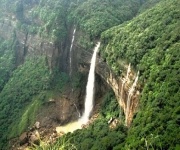
December to February offers the best chance of bright skies and long sightseeing days. These months suit visitors planning excursions to Nohkalikai Falls, Seven Sisters Falls, Mawsmai Cave and the living root bridges. Clear conditions can also make longer drives through Meghalaya more enjoyable, as mountain roads are less likely to be disrupted by intense rainfall.
Visibility is never guaranteed in a hill region. Morning mist can linger over valleys even during the dry season, and clouds may gather without warning. Building flexibility into the itinerary helps: if a viewpoint is covered in fog on the first morning, it may be open later that day or on the following visit.
The cooler months are also well suited to walking-based travel. Routes to living root bridges involve steps, uneven ground and humid forest sections, so moderate temperatures can make the experience considerably more comfortable. Proper footwear remains essential, even when the forecast looks dry.
When To Choose The Green Season
March to May is a useful shoulder period for travellers who want greenery without committing to the full monsoon. Temperatures become warmer, flowers and vegetation look vibrant, and showers are often shorter or more localised than in the peak rainy season. April and May can bring dramatic pre-monsoon storms, so daily plans should remain adaptable.
This period may suit Australian couples and small groups travelling outside the main Christmas break. It can be easier to secure preferred accommodation and guides, while popular attractions may feel less crowded than during peak holiday dates. Australians accustomed to planning around a fixed block of annual leave can use the shoulder season to combine Shillong, Sohra and nearby villages at a more relaxed pace.
June to September is the right choice for travellers specifically seeking monsoon landscapes. Sohra’s reputation as one of the wettest places on Earth becomes tangible during these months, when waterfalls surge and forest trails take on a deep emerald colour. The atmosphere is atmospheric and unforgettable, but it is not the season for guaranteed clear skies.
October is a transition month. Rainfall may reduce, but residual cloud and occasional showers can continue, particularly early in the month. Late October can be an attractive compromise, offering a greener landscape and improving visibility before the drier winter pattern becomes established.
Rainfall, Clouds And Travel Conditions
The monsoon can produce spectacular scenery, yet it also changes how a holiday operates. Heavy downpours may reduce visibility at cliff viewpoints, make stone steps slippery and slow road journeys. Some trails can become muddy, and waterfalls may be powerful enough that visitors need to observe safety barriers carefully.
Cloud does not always mean a wasted day. Mist around the hills can create beautiful photographs, and short breaks in the cloud may reveal sections of the valley. A local driver or guide can often adjust the order of attractions according to conditions, taking visitors to caves or sheltered sites when viewpoints are covered.
Road travel deserves particular attention. Meghalaya’s mountain routes are scenic but winding, and journey times can be longer than a map suggests. In the wet season, allow extra time between Sohra and Shillong, and avoid filling every day with distant attractions. A slower itinerary is more comfortable and leaves room for weather-related changes.
Australian travellers may recognise this approach from planning a road trip through the wet tropics around Cairns or the Northern Territory. The principle is similar: conditions can be beautiful, but weather warnings, local advice and sensible pacing should take priority over a rigid timetable.
Choosing Accommodation For Comfort
Where you stay can influence how enjoyable the weather feels. In the cooler months, a comfortable room, warm bedding and protection from evening dampness matter more than luxury features alone. During the rainy season, reliable hot water, covered outdoor areas and easy access to transport become particularly valuable.
Sohra has hotels, resorts, guesthouses and homestays, with options ranging from simple local accommodation to more developed properties. A homestay can provide a closer look at Khasi hospitality and local food, while a resort may appeal to travellers who want generous common areas and a more self-contained stay. Reading practical details before booking is worthwhile; local homestay advice can help clarify what to expect from different styles of accommodation.
Book earlier for December, January and major Indian holiday periods, especially if you need a family room or want to stay near a particular attraction. In shoulder and monsoon months, availability may be broader, although the best rooms can still fill quickly on weekends.
Australian visitors should also remember that international hotel expectations can vary. A property may be excellent for its setting and hospitality while offering simpler facilities than a comparable Australian hotel. Checking recent reviews, confirming inclusions and communicating dietary or accessibility needs in advance can prevent misunderstandings.
Planning A Comfortable Itinerary From Australia
Most international visitors reach Meghalaya through Guwahati in Assam, followed by a road transfer to Shillong and Sohra. Flight connections from Australia commonly involve one or more stops in India or another Asian hub, so arrival times can affect the first day. It is usually more comfortable to avoid scheduling a major waterfall walk immediately after a long international journey.
A three- or four-night stay gives enough time for key attractions without turning every day into a long drive. The Cherrapunji tour package is a practical reference for travellers considering a structured itinerary that combines sightseeing with organised transfers and accommodation planning.
Australians often book holidays around school terms, public holidays and limited annual leave. December and January may align with summer school holidays, but they can also bring higher demand and less flexibility. Travelling in November, late February or March can make it easier to find value while still enjoying generally comfortable conditions.
Before departure, check Indian visa requirements, passport validity, travel insurance and any current regional travel guidance. Carry payment options that work for smaller towns, but do not rely exclusively on cards in rural areas. A local SIM or roaming plan is useful for navigation and communication, particularly when coordinating drivers and accommodation.
What To Pack For Clear And Comfortable Days
- A lightweight waterproof jacket for sudden showers and mist
- Comfortable walking shoes with strong grip for roots, steps and wet paths
- Warm layers for cool mornings, evenings and exposed viewpoints
- Quick-drying clothing, plus spare socks for longer walks
- Sun protection, insect repellent and a reusable water bottle
- A small day pack with snacks, personal medication and a phone power bank
Pack for changeable mountain weather rather than a single forecast. Even in the dry season, a shower can arrive quickly, while bright sunlight can feel strong at exposed viewpoints. Breathable layers allow you to adapt as the temperature rises during the day.
If travelling during the monsoon, add a waterproof cover for luggage and electronics. Sandals may be convenient around accommodation, but closed shoes are safer for cave visits, forest paths and living root bridge routes. Walking poles can also help visitors who are less confident on steep or uneven ground.
A compact camera or phone can capture excellent landscapes in Sohra, but protect equipment from mist and rain. Australian travellers should also bring any preferred toiletries or specialist medicines, as familiar brands may not be readily available outside larger centres.
Making The Most Of Your Travel Window
For the clearest skies, easiest road travel and most comfortable walking conditions, target November to February, with December and January offering especially dependable dry-season weather. Choose March to May for warmer days, vivid greenery and a quieter feel, while October can work well as the monsoon begins to retreat.
Rain-focused travellers should consider June to September, accepting that clouds, wet trails and changing plans are part of the attraction. The right season depends on whether your priority is panoramic visibility, powerful waterfalls, lush landscapes or lower visitor numbers.
Allow at least a little spare time in the schedule, particularly when travelling beyond Shillong. Sohra rewards visitors who slow down for village roads, changing light and local viewpoints rather than treating every attraction as a quick stop.
Start matching your preferred travel dates with accommodation, transport and a suitable Cherrapunjee package through Cherrapunjee.net. Early planning gives you a better chance of securing the right room, building a weather-friendly itinerary and enjoying Sohra at its most comfortable.