




The Best Trails for a Full-Day Trek to Rainbow Falls
Rainbow Falls is one of the most rewarding walks around Cherrapunjee, also known as Sohra or Cherrapunji. The journey combines rainforest paths, living root bridges, Khasi villages, clear pools and dramatic river scenery. It is a proper day in the hills rather than a short viewpoint stop, with steep stairs and rough sections that demand steady footing.
The usual route begins at Tyrna, descends to Nongriat, and continues beside the river towards Rainbow Falls. The walking distance may look manageable on a map, yet humidity, slippery stone, numerous steps and time spent swimming or taking photographs can turn the outing into a full-day adventure. With an early start and sensible preparation, the trek offers one of Meghalaya’s finest outdoor experiences.
The Classic Tyrna To Rainbow Falls Trail
The most reliable route starts at Tyrna village, roughly 20 kilometres from Sohra. A local guide can help with the trail, timing and river conditions, while also explaining the customs and history of the Khasi communities along the way. From the trailhead, a long descent leads through forest towards Nongriat, the village best known for its famous living root bridge.
The first stage involves hundreds of concrete and stone steps, followed by narrower paths shaded by betel nut palms, bamboo and dense tropical vegetation. The descent is easier on the lungs than the return climb, but it places plenty of pressure on knees and ankles. Take short breaks before fatigue builds, particularly if you are travelling during the warmer months.
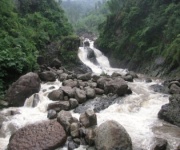
After Nongriat, the path follows the river through a quieter section of forest. Small bridges, exposed rock, muddy patches and uneven ledges appear along the way. Rainbow Falls is generally reached after another substantial walk beyond the village, and the final approach can be slippery. Allow around seven to nine hours for the return journey, depending on your pace and how long you spend at the pools.
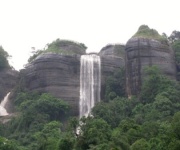
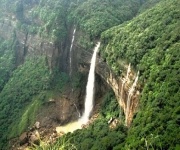
The waterfall is especially striking after rain, when water pours over the dark rock into a bright turquoise basin. Conditions change quickly, however. Strong currents, submerged rocks and rising water can make swimming unsafe, so follow local advice rather than judging the pool from the bank.
A Practical Route Through Nongriat
For most visitors, the best full-day plan is Tyrna–Nongriat–Rainbow Falls and return by the same trail. This route is straightforward to organise, has a clear starting point and allows you to combine several attractions without rushing between distant roads. It is also the trail most closely associated with the region’s living root bridges.
Start early from Sohra, ideally after breakfast, and arrange transport to Tyrna before daylight becomes strong. Drivers may wait for your return, but confirm the arrangement in advance because mobile reception can be unreliable around the villages. Carry enough drinking water for the day, as shops are limited once you move beyond Nongriat.
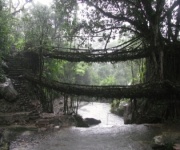
At Nongriat, pause at the double-decker living root bridge if your timing permits. These bridges are grown from the aerial roots of rubber fig trees and maintained by generations of local residents. They are living infrastructure rather than ornamental attractions, so walk carefully, avoid climbing on the roots and keep voices respectful around homes and village paths.
The route beyond the bridge becomes more secluded. Depending on recent weather, you may encounter wet steps, fallen branches or shallow stream crossings. Good trail shoes with firm grip are more useful than fashionable trainers. Australian visitors accustomed to well-marked walks around the Blue Mountains, Dandenong Ranges or Lamington National Park should expect a less formal trail, with fewer signs and more reliance on local knowledge.
Pack These Essentials For The Walk
- Two to three litres of drinking water per person, plus oral rehydration salts
- A packed lunch, fruit and compact snacks such as muesli bars
- Grippy walking shoes, spare socks and a lightweight rain jacket
- Insect repellent, sunscreen, a hat and a small first-aid kit
- A dry bag or waterproof phone pouch for monsoon showers and river spray
Timing, Fitness And Seasonal Conditions
The full-day trek suits active travellers who are comfortable walking for several hours and climbing repeated flights of steps. You do not need technical mountaineering skills, but balance, stamina and patience matter. The return ascent from Nongriat to Tyrna is the most demanding section, especially after a swim and a long day in humid conditions.
People travelling from Sydney, Melbourne, Brisbane or Perth should allow time to adjust after the journey to Northeast India. The climate around Sohra can feel very different from a dry Australian bushwalk: rain may arrive suddenly, surfaces stay damp, and humidity can make a moderate climb feel harder. A slow pace is safer than trying to match a group member who is fitter or more familiar with steep terrain.
The post-monsoon months often bring impressive water flow and greener scenery, while drier periods can offer clearer paths and more comfortable walking. Meghalaya is famous for heavy rain, so forecasts should be checked locally rather than relying only on a broad regional prediction. During intense rainfall, guides may advise postponing the walk or avoiding exposed sections.
Australians planning around school holidays, Easter or the December–January break should reserve accommodation and transport early. These periods can overlap with busy domestic travel in India. The trek itself may still feel peaceful, but the roads between Guwahati, Shillong and Sohra can take longer than expected.
Fitness preparation can be simple. Regular stair sessions, hill walks and weekend hikes around Canberra’s bush tracks or Melbourne’s outer ranges will build useful strength. Break in your shoes before the trip, and avoid beginning the waterfall trek with a brand-new pair.
What To Expect At Rainbow Falls
Rainbow Falls is less about arriving at a single polished lookout and more about the sequence of landscapes encountered on the way. Forest canopy gives way to glimpses of limestone, fast-moving water and layered rock. In clear conditions, sunlight can create a rainbow in the spray, although the effect depends on the angle of the sun and the volume of water.
The pool below the falls is visually inviting, but water safety must come first. Do not jump from rocks, swim close to the falling water or enter when the current is strong. Even confident swimmers from Australia’s beaches and rock pools should remember that a mountain river behaves differently from a patrolled coastal site. There are no lifeguards, warning flags or immediate emergency services.
Photography is best handled with care. Wet rocks are easy to misjudge when attention is focused on a camera, and stepping away from the marked path can damage plants or create a risk of falling. Keep valuables sealed, particularly during the wet season, and take rubbish back to Sohra or to a suitable disposal point.
The villages along the route deserve the same consideration as the waterfall. Ask before photographing people or homes, keep clothing practical and modest, and avoid treating residents as part of the scenery. Purchasing a snack or drink from a local stall is a useful way to support the community, while bargaining aggressively over small amounts is poor travel etiquette.
Families comparing different holiday styles may find the contrast useful: a rainforest trek requires shared preparation and endurance, while a highly organised attraction such as a family Disneyland holiday offers a very different type of day. Rainbow Falls is best for families with older children who can manage long walks, heat, stairs and changing conditions.
Planning Transport, Guides And Accommodation
Most travellers reach Cherrapunjee through Shillong after arriving in Guwahati. The road journey is scenic but can be slow, especially in rain or around busy periods. A private vehicle or pre-arranged driver gives more control over the early departure to Tyrna than relying on uncertain local connections on the morning of the trek.
Staying in Sohra for several nights makes the outing easier and leaves time for nearby caves, viewpoints, waterfalls and villages. Accommodation ranges from guesthouses and homestays to comfortable resorts. A multi-night itinerary also gives you a buffer in case rain affects the trail, which is far better than trying to force the trek into a tightly packed schedule.
For travellers who prefer transport, accommodation and sightseeing to be organised together, the 6N 7D Cherrapunji package can provide a useful base for planning a broader Meghalaya holiday. Ask the operator whether the itinerary includes Tyrna, a local walking guide, meals, vehicle waiting time and flexibility for weather changes.
A guide is strongly recommended for first-time visitors, especially beyond Nongriat. Local guides understand which sections become hazardous after rain, where to cross streams and how to adjust the day’s pace. They can also add meaning to the living root bridges and explain why the landscape is important to Khasi communities.
Small Details That Make The Day Easier
- Leave Sohra early enough to begin walking before the strongest midday heat
- Carry Indian rupee cash because card payments and ATMs may be unavailable near the trail
- Download offline maps, but treat them as a backup rather than a replacement for local guidance
- Tell your accommodation when you expect to return and keep emergency contacts written down
- Bring a reusable bottle and refill only where your guide confirms the water is safe
Australian travellers should also check travel insurance wording carefully. Some policies classify trekking by altitude, distance or remoteness, and exclusions may apply if you walk without a guide or ignore official advice. Keep copies of your passport, insurance details and important phone numbers separately from your main wallet.
Allow a recovery morning after the trek. A relaxed visit to a nearby viewpoint, cave or local market is more enjoyable than scheduling another strenuous walk immediately. If your legs are tired, the extra time also lets you appreciate Sohra’s food, weather and distinctive plateau scenery without turning the holiday into a race.
Make Rainbow Falls the centrepiece of a carefully paced Cherrapunjee stay, and arrange your vehicle, accommodation and local guide before travelling to Tyrna. Contact India Beacons Sojourn through Cherrapunjee.net for current package information and booking assistance, then set aside a full day for the trail, the living root bridges and the rainforest journey that makes the waterfall memorable.