





The Best Ways to Stay Dry and Comfortable During the Rainy Season
Cherrapunjee, also known as Sohra or Cherrapunji, is famous for extraordinary rainfall, dramatic cloud-covered hills and waterfalls that become especially powerful during the monsoon. Rain is part of the destination’s character, but it does not have to dominate your holiday. With sensible clothing, a flexible itinerary and a comfortable base, wet-weather travel can be rewarding rather than frustrating.
For Australian visitors, the experience may feel very different from a tropical downpour in Cairns or a sudden summer storm in Brisbane. In Sohra, rain can continue for hours, mist can reduce visibility quickly and paths may remain slippery long after the clouds lift. Conditions can also vary between Cherrapunjee, Shillong and the surrounding villages, so a clear morning forecast is never a guarantee of a dry afternoon.
The most comfortable approach is to prepare for regular showers while leaving room for spontaneous changes. Waterproof layers, quick-drying clothing and a reliable day bag are more useful than bulky luggage. It also helps to choose accommodation where you can dry clothes, rest between outings and enjoy local food when the weather closes in.
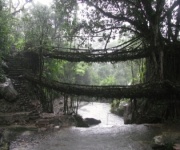
A monsoon trip suits travellers who appreciate scenery, local culture and unhurried exploration. Waterfalls, living root bridges and forest trails are at their most atmospheric during the wet season, while village homestays offer a warm retreat from the rain. The key is to work with the weather instead of trying to plan every hour around sunshine.
Choose Clothing That Handles Persistent Rain
A lightweight waterproof jacket with a hood should be the foundation of your packing. Look for a breathable design that can be worn over a fleece or long-sleeved top, as temperatures in the hills can feel cool when clothes are damp. A compact poncho is useful over a backpack, especially when walking to viewpoints or travelling between villages.
Avoid relying on cotton for every layer. Cotton shirts and denim absorb moisture and may remain clammy for much of the day. Quick-drying trousers, synthetic tops and merino layers are better suited to Cherrapunjee’s humid conditions. A spare pair of socks in a sealed pouch can make a noticeable difference after a wet walk.
Australians used to packing thongs for a beach holiday should leave them for hotel showers rather than muddy paths. Closed-toe shoes with strong grip are safer on wet steps, rocks and forest trails. Lightweight hiking shoes or trail runners are practical for most sightseeing, while waterproof sandals can be useful for short outings around accommodation.
Keep Your Bags and Devices Protected
A waterproof daypack cover is worth carrying, even if the backpack itself is marketed as water-resistant. Add dry bags or sturdy resealable pouches for passports, phones, chargers, medication and spare clothing. A small internal pouch system prevents one wet item from soaking everything else.
Your phone can help with navigation, translation and photography, but monsoon conditions are hard on electronics. Use a waterproof phone case or a simple transparent pouch with touch-screen access. Pack a power bank in a protected compartment, since long drives and damp conditions can make access to charging points less convenient.
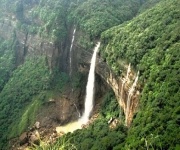
Camera users should carry a microfibre cloth and a few silica-gel sachets. Condensation can form when equipment moves between a cool vehicle and warm, humid air. Let cameras adjust gradually inside a closed bag rather than opening them immediately at a viewpoint. This is especially helpful when photographing waterfalls such as Nohkalikai or the spray around forest streams.
Australian travellers should also remember that an international travel adaptor is needed for Indian sockets. Keeping one adaptor and a short charging cable in a small dry pouch means they are easy to find without unpacking the entire suitcase.
Plan Days Around Weather and Visibility
A flexible itinerary is one of the best ways to enjoy the rainy season. Schedule major viewpoints and longer walks with alternative options nearby, then decide on the day according to rainfall, road conditions and visibility. When cloud covers a lookout, a village visit, local meal or shorter waterfall walk can still make the day worthwhile.
Some trails become slippery or difficult after heavy rain, and streams may rise quickly. Follow local advice before setting out, particularly for routes involving steep steps, forest crossings or living root bridges. Do not treat a brief break in rainfall as proof that every trail is safe. Water may continue flowing downhill from higher ground.
Start outdoor activities earlier when possible. Morning conditions can offer clearer views before cloud thickens, and an early return leaves time to dry clothing before dinner. Build generous travel time into drives between Shillong, Cherrapunjee and nearby attractions because wet roads, traffic and occasional delays can change the schedule.
Families and mixed-age groups may find it helpful to plan one major outing each day instead of trying to cover every attraction. Travellers comparing Meghalaya with other family destinations can also find useful planning ideas in this guide to Mauritius family travel, particularly around pacing activities for different generations.
Select Accommodation That Helps You Recover
A good rainy-season base should provide more than a scenic view. Ask whether the property has covered outdoor areas, indoor common spaces, hot water, reliable power and somewhere suitable for drying wet clothing. These details matter after a full day on the road, especially when humidity prevents garments from drying quickly.
Homestays can provide a particularly comfortable experience because hosts often know which roads and trails are practical in current conditions. They may also help arrange local meals, transport and advice about safe walking routes. For a more personal stay, explore these authentic Cherrapunjee homestays before choosing your base.
Resorts and hotels may suit travellers who prefer more predictable facilities, private bathrooms and space to rest indoors. Check recent reviews for comments about damp rooms, hot-water reliability, access roads and drainage rather than focusing only on photographs. A property that looks attractive in dry weather may be less convenient during sustained rain.
Pack a few lightweight hangers or a travel clothesline, and ask staff where wet items can be placed without damaging furniture. Avoid sealing damp clothing in your main suitcase for several days. Air it out whenever the rain eases, and keep shoes away from closed bags until they are fully dry.
Protect Your Health and Daily Comfort
Humidity, cool rain and long drives can leave travellers feeling tired even when temperatures are moderate. Drink regularly, eat proper meals and carry small snacks for drives between attractions. A reusable bottle is useful, but fill it from a safe source or use treated water according to local guidance.
Bring personal medication, basic first-aid supplies, blister plasters and any products you normally use for insect protection. Mosquitoes and other insects may be present around vegetation and standing water, even when the weather is cool. Pack prescribed medicines in your cabin luggage and retain copies of important prescriptions.
Wet paths increase the chance of blisters and minor falls. Keep feet as dry as possible, change socks during the day and avoid wearing new shoes for the first time on a long hike. A walking pole can offer extra stability on steep or muddy sections, particularly for older travellers.
Travel insurance should cover outdoor activities, medical treatment, cancellations and disruption caused by severe weather. Australians can check current government travel advice before departure and should save emergency contacts offline. It is also sensible to register important trip details with family at home, especially when travelling through areas with limited mobile coverage.
Pack a Practical Monsoon Travel Kit
The best rainy-season packing list is compact, versatile and easy to access. Store frequently used items in the outer section of your daypack, but keep valuables in a sealed inner pouch. A small towel, spare socks and a plastic bag for wet footwear can be more valuable than extra outfits.
Consider carrying these essentials:
- Breathable waterproof jacket or poncho with a hood
- Quick-drying trousers, shirts and spare socks
- Closed-toe shoes with reliable traction
- Backpack cover, dry bags and resealable pouches
- Waterproof phone case, power bank and travel adaptor
- Microfibre towel, insect repellent and personal medication
An umbrella can be useful around accommodation and town areas, but it is less practical on exposed viewpoints or narrow trails. A poncho leaves both hands free and covers a backpack more effectively. Choose neutral, comfortable clothing that can be layered rather than bringing a separate outfit for every day.
Australian visitors should also account for the journey itself. Long-haul flights, airport transfers and road travel can make a change of dry clothes valuable in hand luggage. A lightweight fleece is useful when leaving warm coastal Australia for cooler highland conditions, while a foldable tote can separate laundry from clean clothes.
Avoid overpacking heavy jumpers, formal shoes and large toiletries. Meghalaya’s rainy season rewards items that dry quickly and serve several purposes. Keep documents, cash and electronics protected, and carry some Indian rupees in small denominations for local purchases where card facilities may be limited.
Let the Landscape Set the Pace
Rain changes how Cherrapunjee looks and feels. Waterfalls become louder, cloud drifts across ridges and forest paths take on deeper colour. Rather than viewing showers as time lost, allow pauses for tea, regional food, conversations with hosts and visits to attractions that remain enjoyable in wet conditions.
Local guides and drivers can help you judge when a route is suitable. Their knowledge of current road conditions, water levels and trail access is more useful than relying on an old social-media post. Listen when a guide recommends postponing a viewpoint or taking a shorter route; the landscape can change quickly during intense rainfall.
The same attitude works well for Australian travellers accustomed to structured holidays during school breaks or fixed annual leave. If your dates are tied to Queensland or New South Wales school holidays, reserve accommodation and transfers early, then keep individual sightseeing days flexible. A little breathing room protects the trip from turning into a race between showers.
Cherrapunjee is at its most memorable when you have time to notice small details: the sound of rain on a tin roof, moss-covered stone, village gardens and mist lifting from a valley. Prepare properly, move carefully and allow the weather to shape the experience. With a well-planned two- to seven-night package, staying dry and comfortable becomes manageable while the monsoon supplies the scenery.
Choose your preferred travel dates, accommodation style and attractions, then contact Cherrapunjee.net to arrange a Meghalaya holiday suited to the rainy season. A local itinerary can combine waterfalls, caves, parks, living root bridges and relaxed indoor time, giving you the confidence to explore Sohra even when the forecast is wet.