




The Complete Guide To The Seven Sisters Falls Viewpoint
Seven Sisters Falls is one of the most recognisable sights around Cherrapunjee, or Sohra, in Meghalaya. Known locally as Nohsngithiang Falls, it spills over a high limestone escarpment in a series of narrow white streams before dropping towards the Bangladesh plains. The falls are seasonal, dramatic and closely tied to the monsoon landscape that makes this part of northeast India so distinctive.
For Australian travellers, the viewpoint is an easy addition to a Sohra itinerary. It can be visited during a day of waterfall and cave touring, or included in a longer Meghalaya holiday covering Shillong, living root bridges, forest trails and local villages. The viewing area is straightforward to reach by road, though the best experience depends heavily on weather, visibility and sensible timing.
This guide covers the location, transport, seasons, nearby attractions, photography conditions, practical costs and respectful travel. Whether you are planning from Sydney, Melbourne, Brisbane or Perth, a little preparation will help you make the most of this spectacular escarpment lookout.
What Makes Seven Sisters Falls Special
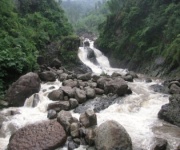
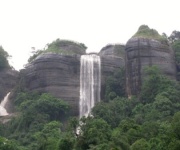
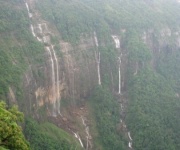
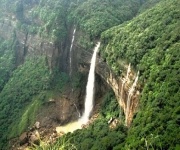
The waterfall is formed by seven distinct streams descending from the Khasi Hills. During the wet season, the channels can join into a broad, powerful curtain of water, while in drier months the flow may become thin or disappear altogether. The cliffs are surrounded by green hills, mist and open views across the lowlands, creating a scene that changes from minute to minute.
The name Nohsngithiang is connected with the seven falls, although the number of visible streams can vary according to rainfall and the angle of observation. From the main viewpoint, the falls are generally seen at a distance rather than from the base. That perspective is part of the appeal: you can take in the full scale of the escarpment, the forested slopes and the distant plains in a single glance.
The viewpoint is especially atmospheric when clouds drift across the valley. Clear conditions reveal the horizontal layers of the plateau and, on a good day, the Bangladesh plains beyond. Heavy rain can make the falls roar, but it can also reduce visibility, so there is no guarantee that the wettest day will provide the clearest view.
Where The Viewpoint Is And How To Reach It
Seven Sisters Falls is near Mawsmai village in the Sohra region, approximately 1.5 hours from Shillong by road, depending on traffic and road conditions. From central Cherrapunjee, the viewpoint is a short drive and can easily be combined with Mawsmai Cave, the Eco Park and other nearby sights. Local taxis are the most practical option for visitors who are not travelling with a private vehicle.
Most international visitors arrive in Meghalaya through Guwahati, Assam, which has the nearest major airport and railway connections. The drive from Guwahati to Shillong takes several hours, followed by the journey from Shillong to Sohra. A private car with a local driver is generally more comfortable than attempting to coordinate several separate vehicles, particularly during rain or when carrying luggage.
Road travel in Meghalaya can be slower than Australian visitors expect. Distances that look modest on a map may take longer because of winding hill roads, village traffic, roadworks and monsoon conditions. If you are used to the broad highways around regional New South Wales or Victoria, allow plenty of extra time and avoid building a tightly packed schedule around an exact arrival hour.
The Best Time To Visit Seven Sisters Falls
The strongest water flow usually occurs during the southwest monsoon, roughly from June to September. July and August can deliver spectacular volume, with streams pouring over the cliff and vegetation at its freshest. These months also bring frequent rain, low cloud, slippery paths and occasional road delays, so the visit requires flexibility.
October can offer a useful balance between residual water flow and improving visibility. The falls may be less powerful than in the middle of the monsoon, but the surrounding scenery is often easier to see. From November through spring, the site can still be worthwhile as a landscape lookout, though the waterfall may be reduced considerably.
Early morning often provides softer light and fewer groups, while late afternoon can create attractive contrast across the valley. Weather changes quickly in Sohra, historically one of the wettest inhabited places on Earth. Check conditions locally rather than relying only on a forecast viewed days before departure, and treat a cloudy morning as normal rather than disappointing.
What To See Around The Falls
The viewpoint works best as part of a wider Sohra sightseeing circuit. Mawsmai Cave is close by and offers an accessible introduction to the region’s limestone formations. Its narrow passages can be dark, damp and uneven, so footwear with firm grip is useful. The nearby Eco Park provides another elevated outlook, often with broad views towards the plains and seasonal cascades.
Nohkalikai Falls is another major stop in the area and is famous for its tall plunge into a vivid blue-green pool. Dainthlen Falls, Wei Sawdong Falls and several smaller cascades can also be included, depending on the route and available time. Some require walks over wet ground or steps, so a day covering every attraction may feel rushed.
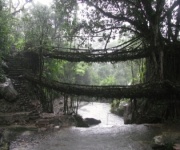
Visitors staying longer can travel beyond the main tourist circuit to see living root bridges, village paths and forest landscapes. The double-decker living root bridge near Nongriat requires a demanding stair descent and climb, and it should not be added casually to a waterfall day. A two- or three-night Sohra stay gives you a better chance to separate viewpoint visits from longer walks.
Planning A Comfortable Day Trip
A practical day begins with an early departure from Shillong or a relaxed start from accommodation in Sohra. Visit the falls when visibility is favourable, then continue towards nearby caves and viewpoints. Your driver or local guide can adjust the order according to rainfall, traffic and the conditions at walking sites.
Carry Indian rupees in smaller denominations because small entry counters, roadside stalls and local cafés may not accept international cards. Digital payments are increasingly common, but mobile coverage and payment reliability can vary outside larger towns. Australian travellers should also check whether their bank adds foreign transaction fees and should keep a backup payment method separate from their wallet.
A private sightseeing vehicle is usually priced by route or by day rather than by individual attraction. Package tours can simplify transfers, accommodation and sightseeing, while independent travellers may prefer booking a taxi locally. Before setting out, confirm whether the quote includes fuel, driver allowance, parking, sightseeing time and return travel. This avoids the sort of unexpected extras that can disrupt an otherwise relaxed holiday.
What To Bring And How To Stay Safe
Pack a lightweight waterproof jacket, quick-drying clothes, a small day bag and shoes with good traction. An umbrella can help in light rain, although it is less useful on exposed viewpoints during wind. Bring water, basic snacks, sun protection and insect repellent. Even under cloud, ultraviolet exposure can be strong at altitude, and wet weather can leave you chilled.
The viewing area may have wet surfaces, uneven edges and limited protection from rain. Stay behind barriers and follow local instructions, particularly when taking photographs. Do not climb onto unstable rocks or approach cliff edges for a better angle. Water levels can rise rapidly during intense rainfall, and a stream that looks manageable may become dangerous within a short time.
Phone service can be inconsistent around caves, valleys and rural roads. Download maps, accommodation details and essential travel information before leaving Shillong. Australian visitors should arrange comprehensive travel insurance that covers medical treatment, transport disruption and activities such as trekking. A standard policy may have conditions for motorbike travel, adventure activities or remote-area evacuation, so read the wording carefully.
Choosing Accommodation And A Tour
Staying in Sohra allows you to visit Seven Sisters Falls without spending every day on the Shillong road. Accommodation ranges from simple guesthouses to comfortable resorts and hotels, with availability varying sharply during Indian holidays and the monsoon season. Booking ahead is sensible for weekends, public holidays and popular travel periods.
A well-organised Meghalaya package can be useful for first-time visitors who want transport, accommodation and sightseeing handled together. The local operator India Beacons Sojourn provides information about Cherrapunjee travel services, holiday packages and regional experiences. Compare the proposed itinerary carefully, especially if you want time for walks rather than a quick stop at every lookout.
Ask about the vehicle type, accommodation location, meal arrangements, cancellation terms and the amount of time allowed at each attraction. Some itineraries list many waterfalls but provide only a few minutes at each one. A slower route is often better in Sohra because rain, photography and short walks can make each stop take longer than expected.
Useful Details For Australian Travellers
Australian passport holders generally need an Indian visa before travelling, and requirements can change, so use official government information when preparing your application. Plan flights around Guwahati or another suitable Indian gateway, then allow a buffer for domestic connections and hill-road transfers. Travel insurance should be arranged before leaving Australia, not after arriving in India.
Budgeting in Australian dollars can make package prices look simple, but local spending is usually in Indian rupees. Carrying some cash is practical, especially for rural shops and smaller attractions. ATMs are easier to find in Shillong than in remote villages, and Australian bank cards may need overseas usage enabled before departure.
The road rhythm may feel different from a drive through the Blue Mountains or the Great Ocean Road. Traffic can be busy, overtaking may seem assertive, and journey times can change with rain. Tell your driver if you prefer a steadier pace, regular comfort stops or an earlier return. A friendly “no worries” attitude helps, but clear arrangements are still important.
Australian school-holiday planning also matters. Families travelling during December-January or the June-July break may encounter higher demand and limited room choices. Travellers from Perth should allow extra connection time, while those from Sydney, Melbourne or Brisbane can often coordinate domestic Indian flights more easily through major hubs. Mobile data, offline maps and a small amount of patience will make the logistics much smoother.
Seven Sisters Falls deserves a place in a Meghalaya itinerary because it combines dramatic water, open escarpment views and easy access from Sohra. The scene is at its most powerful during the monsoon, yet every season offers a different experience. The best visit leaves room for changing weather, nearby caves, local food and the slower pace of the Khasi Hills.
For booking details, itinerary questions or help arranging a Cherrapunjee stay, contact the team through the booking enquiry page. Reserve transport and accommodation early for busy periods, then set out with waterproof layers, sensible shoes and enough time to enjoy the view rather than simply tick it off.