



The Essential Guide To Mawsmai Village Sunset Point
Mawsmai Village Sunset Point offers a quieter way to experience Sohra, the destination widely known as Cherrapunjee or Cherrapunji. Rather than treating sunset as a quick photo stop, visitors can use the viewpoint to watch the Khasi Hills change colour, see mist settle over the valleys and understand how closely village life is woven into the surrounding landscape.
The location is near Mawsmai village and the better-known Mawsmai Cave area, a short drive from central Sohra. It is usually visited as part of a sightseeing day that includes waterfalls, limestone caves, forest tracks and living root bridges. The precise stopping place may vary according to local conditions, road access and the advice of your driver or guide.
For travellers from Australia, this is an easy experience to add to a Meghalaya holiday, but it rewards sensible planning. Flights commonly involve a connection through cities such as Delhi, Kolkata or Guwahati, followed by a road journey into the hills. A few nights in Sohra gives you a far better chance of enjoying clear weather than trying to fit every attraction into a rushed overnight stay.
Sohra is a high-rainfall environment with uneven paths, sudden showers and limited evening transport. Pack for damp ground rather than relying on a polished lookout. The reward is a natural viewing experience with fewer formal facilities, where the final light touches ridges, tree-covered slopes and drifting clouds.
Where The Viewpoint Sits
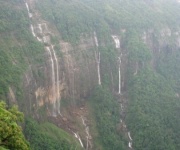
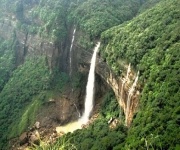
Mawsmai Village Sunset Point is generally associated with the roads and open viewpoints around Mawsmai, south of Sohra’s main market area. It is close to Mawsmai Cave and within reach of several major attractions, including Nohsngithiang Falls, often called the Seven Sisters Falls. Travellers should check the exact stopping point locally because informal viewpoints do not always appear consistently on online maps.
From central Sohra, the drive is short by Meghalaya standards, though traffic, roadworks, rain and sightseeing stops can lengthen the journey. A hired car with a local driver is the most practical option for visitors staying in a resort or hotel. Taxis waiting at one attraction may not always be available when the light fades, so arranging a return ride before setting out is wise.
The area is part of a lived-in rural landscape rather than a constructed observation deck. You may pass homes, small shops, grazing animals and roadside stalls before reaching an open edge. Keep gates closed, avoid entering private land and follow any local instruction about where visitors may stand or park.
The Best Time For Golden Light
The clearest opportunity for a sunset view usually comes in the drier and cooler months, broadly from October to April. December, January and February often bring crisp air and comfortable daytime conditions, although evenings can feel surprisingly cool. The sun sets earlier than many Australians may expect, so allow enough time to arrive before the final colour appears.
The monsoon season, generally from May to September, transforms Sohra into a lush, dramatic region. Waterfalls are fuller and the hills look intensely green, but heavy cloud can completely hide the sunset. Rain may also make paths slippery and affect visibility on the approach road. A cloudy evening is not necessarily disappointing; fog, layered rain and changing light can create a more atmospheric scene than a clear horizon.
Aim to arrive 30 to 45 minutes before sunset. This gives you time to walk carefully, choose a stable viewing position and watch the landscape shift from bright green to blue-grey. Sunset time changes through the year, so confirm the local time on the day rather than relying on a fixed schedule.
Visitors from Sydney, Melbourne, Brisbane or Perth may be accustomed to checking a weather app before a coastal sunset, but Meghalaya’s hill weather can change much faster. Ask your accommodation for a same-day local reading and allow extra road time after afternoon showers.
What To Expect At The Lookout
The visual appeal comes from the broad Khasi landscape rather than elaborate visitor infrastructure. Depending on the exact viewpoint, you may see forested folds, distant plateaus, exposed rock and villages scattered across the highlands. During wet weather, clouds can pour through the valleys and briefly reveal sections of the view.
Photography is best approached with patience. Use a wide lens or your phone’s panorama mode for the layered terrain, then switch to a lower exposure as the sky brightens near the horizon. A small tripod can help in fading light, but keep it compact and avoid blocking narrow paths. Do not use a drone without checking the applicable permission requirements and local restrictions.
The informal nature of the site is part of its character, yet it means facilities can be limited. There may be no toilets, rubbish bins, lighting or reliable food stalls at the precise sunset location. Use a toilet before leaving your accommodation or a main attraction, carry drinking water and take every item of rubbish back with you.
Local etiquette matters. Ask before photographing residents, homes or people working nearby. A modest, respectful approach is appropriate, particularly in a Khasi community where the landscape is connected to everyday livelihoods and cultural identity.
Planning The Evening
A sunset visit works well after Mawsmai Cave, Arwah Cave or the Seven Sisters Falls, provided the day is not overloaded. Caves require careful footing and may leave shoes muddy, while waterfalls can involve stairs or wet paths. Build in a pause at your accommodation before the evening outing instead of attempting a long chain of attractions without rest.
Use the following practical checklist when preparing for the stop:
- Wear shoes with a firm, grippy sole for damp earth and uneven rock.
- Carry a light waterproof jacket, even during the drier season.
- Bring a torch or use a phone light for the return to the vehicle.
- Keep small cash in Indian rupees for local purchases and parking-related payments.
- Pack insect repellent, water and a small rubbish bag.
- Charge your phone before leaving, as reception and power access may be inconsistent.
Australian visitors should remember that Australian biosecurity rules apply when returning home, not just when entering India. Do not bring soil, seeds, untreated plant material, food or animal products back without checking the Department of Agriculture’s current requirements. Declare anything uncertain at the Australian border; penalties for undeclared goods can be serious.
A universal travel adaptor is useful, as Indian sockets and voltage arrangements may differ from those used in Australia. Travel insurance should cover hiking-style activities, medical treatment and changes caused by severe weather. Australian travellers can also check Smartraveller advice before departure and carry copies of passport, insurance and booking details.
Comparing Nearby Sunset Options
Mawsmai village is one of several places where visitors can finish a sightseeing day, but each setting creates a different experience. A formal park may be easier for first-time visitors, while a village-edge viewpoint can feel more intimate and less commercial. Weather remains the deciding factor at all of them.
| Location | Atmosphere | Best suited to | Practical notes |
|---|---|---|---|
| Mawsmai Village Sunset Point | Rural, quiet and close to local life | Travellers wanting a simple landscape view | Facilities may be minimal; arrange transport |
| Eco Park area | More established and accessible | Visitors combining sunset with a park visit | Check opening arrangements and weather |
| Nohsngithiang viewpoint | Dramatic escarpment scenery | First-time visitors seeking a famous panorama | Often busy and cloud can obscure the falls |
| Sohra town surroundings | Convenient and easy to reach | Travellers with limited time | The view is less secluded and more urban |
| Resort or hotel terrace | Comfortable and relaxed | Families, older travellers or rainy evenings | Best for convenience rather than a wide public vista |
Choosing Mawsmai makes sense when you value atmosphere and proximity to other attractions. Choosing a formal viewpoint may be better if you need marked paths, established facilities or a more predictable stop. Ask your driver to show you the exact location planned for the evening, since names used by travellers, hotels and map listings can differ.
For broader planning, review the site’s Cherrapunjee travel resources alongside your accommodation and transport arrangements. This can help you connect the sunset visit with information about caves, waterfalls, parks and multi-day stays around Sohra.
Food, Safety And Local Courtesy
There may be tea, snacks or simple local food available along the route, but do not assume a vendor will remain open after sunset. Khasi cuisine often includes rice, pork, fish, seasonal vegetables and warming broths. If you have dietary restrictions, tell your hotel or driver in advance and carry a dependable snack for the outing.
Tap water should be treated cautiously unless your accommodation confirms it is safe. Bottled water is widely available, but responsible travellers should choose refill options where possible and avoid leaving plastic at the viewpoint. Australian habits such as carrying a reusable bottle and taking rubbish home fit well with the needs of this fragile hill environment.
Safety is mainly about darkness, wet ground and distance from immediate assistance. Stay away from cliff edges, do not climb barriers or rocks for photographs, and keep children within arm’s reach. If lightning develops or rain becomes heavy, leave early rather than waiting for the ideal image.
Keep these evening habits in mind:
- Tell your driver exactly when you want to depart and where to meet.
- Remain with your group after daylight fades.
- Avoid loud music and respect nearby homes and community spaces.
- Check footwear and clothing for leeches after wet-season walks.
- Keep valuables secure in crowded areas and during roadside stops.
Mobile coverage may be patchy, and card payments are not guaranteed at small stalls. India’s digital payment systems are widespread in towns, but visitors may still need cash for minor purchases. Carry only what you need, keep notes dry and confirm prices before buying food, crafts or locally produced items.
Turning A Sunset Into A Sohra Stay
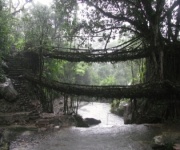
The most rewarding visit treats the viewpoint as one moment within a wider Cherrapunjee itinerary. A two-night stay can cover the principal attractions, while three to five nights allows more flexibility for weather, village walks and less hurried time at waterfalls and caves. Longer packages are useful for travellers who want to include living root bridges and neighbouring areas.
Mawsmai Cave is a natural companion to the sunset stop, although it is better explored in daylight. Nohsngithiang Falls can provide the major daytime panorama, while nearby parks and village roads add variety. In the wet season, keep plans flexible and place outdoor attractions earlier in the day when possible.
Accommodation ranges from hotels and resorts near Sohra to simpler guesthouses. A property with a view may be appealing, but reliable transport, hot water, drying space and staff who understand local weather are often more valuable. Ask whether the property can arrange a driver for the evening and whether a packed snack is available.
A thoughtful schedule might look like this:
- Morning: visit a waterfall or scenic park while visibility is favourable.
- Midday: explore Mawsmai Cave and have lunch in or near Sohra.
- Afternoon: return to your accommodation, rest and check the clouds.
- Late afternoon: drive towards Mawsmai village with water and a jacket.
- Evening: watch the changing light, then return before roads become dark and wet.
For an Australian traveller, this pace may feel slower than a standard road-trip itinerary between Melbourne or Adelaide stops, but it suits Meghalaya’s terrain. Road distances can be modest while journey times remain unpredictable. Leaving room in the schedule protects the experience from rain, traffic and spontaneous local discoveries.
Arrive with realistic expectations: the Mawsmai Village Sunset Point may not deliver a cloudless orange horizon every evening. It can offer something subtler and more memorable—the sound of village life, layers of mist over the plateau and a final wash of light across one of India’s most remarkable rain-fed landscapes.
Include the viewpoint in your Sohra booking plans, reserve dependable local transport and allow enough nights for the weather to open. When the evening is clear, arrive early and let the landscape take its time; when clouds roll in, stay attentive, because the changing sky may become the most distinctive part of your Cherrapunjee experience.