





The Hidden Waterfalls Of The Laitkynsew Area
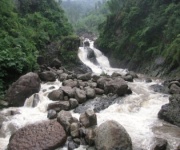
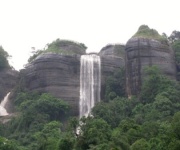
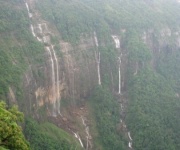
Laitkynsew sits in one of the most rewarding corners of the Cherrapunjee region, where steep Khasi hills, forest paths and rain-fed streams create waterfalls far beyond the famous viewpoints. Some cascades are visible from roads, while others appear only after a walk through betel nut groves, village lanes and damp woodland.
For Australian travellers, this area offers a different rhythm from a conventional sightseeing holiday. You may spend the morning at a well-known waterfall, stop for a simple Khasi lunch, and then follow a local guide towards a quieter cascade with no grand entrance sign. The experience is best approached with patience, sensible footwear and enough time to let the landscape unfold.
Why Laitkynsew Rewards Curious Travellers
Laitkynsew is close enough to Sohra, also widely known as Cherrapunji or Cherrapunjee, for easy inclusion in a Meghalaya holiday, yet it feels removed from the busiest tourist circuit. The roads wind through highland villages and open valleys before narrowing towards forests, streams and rocky ravines. In the monsoon months, water can transform an ordinary trickle into a powerful silver curtain.
The area is also shaped by Khasi village life. Small farms, areca palm plantations, traditional homes and church communities sit alongside dramatic escarpments. Travellers who pause rather than rushing between photo stops often notice details that make the region memorable: women carrying produce, children walking home from school, mist lifting from the hills and the sound of water hidden below the road.
For visitors from Australia, the setting may feel a little like a much wilder meeting point between the Atherton Tablelands and the Blue Mountains, but with far more intense rainfall and a different cultural landscape. A waterfall that looks modest during a dry spell can become spectacular after several days of rain.
Finding The Cascades Beyond The Main Road
The hidden waterfalls around Laitkynsew are not always marketed as a single, official attraction. Local names can vary between villages, maps may be incomplete, and access routes can change after landslides or heavy rain. This is why a local guide is valuable: they can identify the safest approach, explain customary access and distinguish a worthwhile cascade from a dangerous stream crossing.
Wei Sawdong is among the best-known waterfall experiences in the wider Sohra area, with a dramatic series of turquoise pools and steep forested sides. It is more accessible than some of the smaller falls, but the descent and ascent still require care. Early arrival can make the visit more peaceful, especially during weekends and Indian holiday periods.
Other streams around Laitkynsew may have no polished visitor facilities at all. You might follow a footpath past cultivated slopes, cross a narrow bridge or descend over slippery stone before reaching a pool. These places are part of a living landscape rather than a theme-park attraction, so conditions and access should be checked locally on the day.
Water, Stone And Khasi Country
The character of each fall changes with the season. From November to February, clearer weather can make trails more comfortable and views more open, although some smaller cascades may be less forceful. The pre-monsoon months can bring humid conditions and sudden showers. From June to September, the waterfalls are at their most dramatic, but trails become muddy, rocks become slick and streams can rise quickly.
The geology adds to the visual drama. Water cuts through layers of limestone and sandstone, creating narrow gullies, plunge pools and overhanging ledges. Moss spreads across shaded rock, while ferns and tropical plants thrive beside the streams. In the mist, a waterfall may seem to appear from nowhere, then vanish behind a curtain of rain.
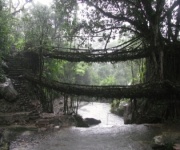
Laitkynsew also provides a useful base for understanding Meghalaya’s wider natural heritage. Living root bridges, caves and forest paths all show how local communities have adapted to a wet, rugged environment. The famous Nongriat route is more demanding than a casual waterfall walk, involving many steps and a substantial return climb, so it should be planned as a separate excursion rather than squeezed into a rushed day.
Planning The Walk Without Rushing
A private vehicle or carefully arranged local transfer is usually the most practical way to move around the Sohra and Laitkynsew area. Public transport exists, but services may be infrequent and are not always convenient for reaching trailheads. A driver who knows the region can help with timing, road conditions and alternative stops if a path is closed.
Australian visitors often plan trips around annual leave, school holidays or a long weekend, but Meghalaya rewards a slower schedule. Allow at least two nights in the Cherrapunjee area if waterfalls are a priority. A three- or four-night stay gives you room for a waterfall day, a living root bridge walk, cave or viewpoint visits, and a weather buffer.
Flights from Australia generally involve connections through hubs such as Singapore, Kuala Lumpur, Bangkok, Delhi or Kolkata before the final journey towards Meghalaya. Guwahati is the principal gateway for many itineraries, followed by a road transfer of several hours. Build in recovery time after the international flight rather than booking a demanding trek immediately after landing.
Useful Items For Waterfall Walks
- Shoes with firm grip and ankle support, rather than smooth-soled sneakers
- A lightweight rain jacket, even during a forecast of clear weather
- Dry bags or waterproof pouches for phones, passports and camera equipment
- Quick-drying clothing and a spare pair of socks for muddy sections
- Reusable water, snacks and a small first-aid kit
- Australian dollars changed into Indian rupees before heading into rural areas
Staying Comfortable In A Wet Highland
Rain in Sohra is part of the destination, not merely an inconvenience. Even in a drier period, cloud can arrive quickly and a short shower may make a path slippery within minutes. Accommodation ranges from hotels and resorts near the main town to smaller guesthouses and homestays. Choosing a base with reliable transport and good local knowledge can matter more than choosing the most remote property.
Internet and mobile coverage can be inconsistent outside the main settlements. Carry offline maps, save booking details on your phone and keep important information printed or stored in more than one place. Card payments may work at larger hotels, but cash remains useful for village purchases, guides, small eateries and transport.
Australian travellers are accustomed to tapping a card almost everywhere, from a Melbourne café to a regional Queensland petrol station. In rural Meghalaya, that habit needs a little adjustment. Keep smaller rupee notes available, and do not assume that a remote food stall or roadside shop will accept an international card or digital wallet.
Food around Sohra is generally straightforward and satisfying after a wet walk. Rice, vegetables, eggs, pork and chicken are common, while cafés and hotels may offer familiar options for travellers who prefer milder meals. If you have allergies or dietary restrictions, explain them clearly and carry a few dependable snacks for longer excursions.
Respecting Villages And Water Sources
Many waterfalls lie near villages, farmland or routes used by local residents. A path that appears open may pass through privately managed land, and a pool that looks inviting may be used for washing or other daily activities. Ask before entering side paths, taking photographs of people or swimming near homes.
The Khasi cultural landscape deserves the same care as the natural environment. Dress modestly when visiting villages and religious sites, keep voices low and follow a guide’s advice about places that have local spiritual importance. Avoid climbing on shrine areas, touching household objects or treating residents as subjects for posed photographs without permission.
Environmental care is especially important beside streams. Plastic wrappers, disposable bottles and wet wipes are difficult to remove from steep forest trails. Carry rubbish back to your accommodation, use established paths and avoid detergents or sunscreen products that could enter natural pools.
A respectful visitor is usually welcomed warmly. Learning a few simple local greetings, listening to directions and showing genuine interest in the landscape can make interactions more comfortable. The relaxed “no worries” attitude familiar to many Australians works well here, provided it is balanced with attention to local instructions and safety.
Walking Safely In Changing Weather
Never judge a waterfall walk only by the distance shown on a map. A short route can involve steep steps, exposed slopes, slippery boulders and a difficult return climb. Trekking poles can help, particularly on descents, and a guide should be considered essential for lesser-known trails or stream crossings.
Do not enter a gorge if water levels are rising, thunder is close or the current has changed colour and speed. Flash flooding can occur even when rain is falling elsewhere. Keep away from edges above plunge pools, and avoid swimming unless local advice confirms that the pool is safe.
Checks Before Leaving Your Accommodation
- Confirm the trail condition, recent rainfall and expected return time
- Ask whether a local guide is required or recommended for the route
- Check that your driver can wait or collect you at an agreed location
- Carry enough cash for guide fees, food and unexpected transport changes
- Share your itinerary with someone at your accommodation
- Start early enough to finish before darkness and heavy afternoon weather
Travel insurance should cover hiking, weather-related disruption and medical assistance. Visitors should also check current Indian visa requirements and any applicable travel permissions before departure. Requirements can change, so use official government sources and retain digital and printed copies of essential documents.
Building A Waterfall-Focused Meghalaya Holiday
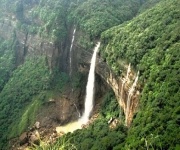
A Laitkynsew day can be combined with the classic viewpoints around Sohra, including Nohkalikai Falls, Seven Sisters Falls and the dramatic scenery near Mawsmai. These attractions provide an accessible overview of the plateau, while the quieter Laitkynsew walks add a more personal and exploratory element.
Travellers with more time can continue towards Mawlynnong, Dawki or the living root bridges near Nongriat, depending on road conditions and fitness. A seven-night itinerary allows these areas to be connected without turning every day into a long transfer. Shorter two- or three-night packages can still include Laitkynsew if the route is planned carefully.
The best schedule leaves space for weather. If a waterfall path is unsafe, use the day for a village visit, local food, a cave, a viewpoint or a relaxed stay at the resort. Conditions are part of the journey in Meghalaya, and a flexible plan usually produces a better holiday than trying to force every stop into a fixed timetable.
For help matching accommodation, transport and guided walks to your dates, contact the Cherrapunjee travel team, operated by India Beacons Sojourn. Their local planning knowledge can help Australian visitors choose the right pace, season and package for the Laitkynsew area.
Pack for rain, allow time for steep paths and make the waterfalls part of a broader Sohra experience. With a considerate guide and a little flexibility, the forest cascades around Laitkynsew can become one of the most memorable parts of a Meghalaya holiday.