





Cherrapunjee’s Most Photogenic Places
Cherrapunjee, also known as Sohra or Cherrapunji, is one of Meghalaya’s most visually rewarding destinations. Waterfalls plunge from forested escarpments, clouds drift across deep valleys and living root bridges create scenes that look carefully designed rather than grown over decades.
For Australian travellers, the landscape offers a striking change from the beaches of Brisbane, the laneways of Melbourne or the wide open spaces around Perth. Sohra is wetter, steeper and more intimate, with village paths, limestone caves and viewpoints often packed into a single day of exploring.
The best photographs here come from allowing time for changing weather. Mist can soften a valley in minutes, while a brief break in the cloud may reveal layers of green stretching towards Bangladesh. A little planning helps you capture the famous sights while leaving room for quieter discoveries.
Photographing Sohra’s Water Country
Water is the defining subject around Cherrapunjee. The region receives extraordinary monsoon rainfall, and streams that appear modest in the dry season can become powerful ribbons over cliffs during wetter months. Even outside the monsoon, the combination of wet rock, moss and cloud creates rich textures for landscape photography.
Start with a flexible itinerary rather than trying to visit every waterfall at a fixed time. Nohkalikai Falls, Seven Sisters Falls, Wei Sawdong Falls and Dainthlen Falls each have different viewpoints and access conditions. Early mornings usually offer softer light and fewer visitors, while late afternoon can bring warm colour if the clouds open.
A wide-angle lens is useful for cliff faces and valley scenes, but a standard lens often produces more natural images of local paths, foliage and people. Protect cameras and phones with waterproof covers. The same care Australians use for sudden tropical downpours in Far North Queensland is useful here, though Sohra’s rain can be considerably more persistent.
Nohkalikai And Seven Sisters Falls
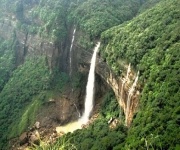
Nohkalikai Falls is the signature waterfall near Sohra and one of the most recognisable images in Meghalaya. From the main viewing area, the water drops in a slender white column towards a vivid blue-green pool, framed by forest and layered cliffs. When mist moves through the gorge, the scene becomes atmospheric rather than postcard-clear.
Visit early if you want an uncluttered composition. The viewing area is accessible compared with many attractions, making it suitable for travellers who prefer a short walk instead of a long descent. Use the surrounding railings and platforms responsibly, and avoid leaning over wet edges for a dramatic angle.
Seven Sisters Falls, locally associated with the seven segmented streams descending the escarpment, is most impressive after rain. Its separate channels can merge visually when water levels are high. A telephoto lens helps compress the distant cliff layers, while a panoramic phone image can show the broad sweep of the Meghalaya plateau.
The falls may be thin or partly hidden during drier periods, so expectations should match the season. Local drivers and guides can advise whether the current flow is worth prioritising. For background on attractions, accommodation and travel logistics, the Cherrapunjee travel guide is a useful starting point before building a route.
Living Root Bridges And Forest Paths
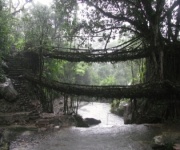
The living root bridges near Nongriat are among the most distinctive subjects in the region. Khasi communities have guided the roots of rubber fig trees across streams for generations, gradually creating natural walkways. The famous Double Decker Living Root Bridge is both an engineering achievement and a living part of local village life.
Reaching it involves a demanding staircase descent and ascent, often taking several hours depending on fitness, weather and stops. The route is humid, uneven and slippery, so allow more time than a map may suggest. Travellers accustomed to Australian bushwalks should treat this as a steep tropical hike rather than a casual nature stroll.
Photograph the bridge from several viewpoints instead of relying on a single centred frame. Look for repeating roots, filtered light, flowing water and the scale of walkers crossing the structure. A small tripod may be useful near streams, although it should never obstruct the narrow path or inconvenience residents.
Respect is essential in a lived landscape. Keep voices low near homes, ask before photographing people and avoid climbing onto delicate roots. Do not leave rubbish behind, and carry a refillable bottle rather than relying on single-use plastic.
Caves, Cliffs And Dramatic Viewpoints
Mawsmai Cave provides a completely different visual experience from the open waterfalls. Its limestone passages are narrow, textured and naturally sculpted by water. Interior photography can be difficult because light is limited and surfaces are often wet, but the contrast between a silhouetted figure and the cave entrance can create a strong image.
Arwah Cave is less polished and more adventurous, with fossils embedded in limestone walls and a quieter atmosphere than the better-known Mawsmai site. Access may involve uneven ground and a local guide. Wear shoes with firm grip, avoid touching fossil surfaces and check conditions after heavy rainfall.
Mawkdok Dympep Valley Viewpoint is ideal for expansive images of ridges, forest and winding roads. Dusk and early morning can produce layers of blue-grey haze, while cloudy weather gives the valley a moody character. For a stronger composition, include a foreground railing, tree or person to show the scale of the landscape.
| Location | Best visual feature | Access and timing | Useful photography approach |
|---|---|---|---|
| Nohkalikai Falls | Tall plunge waterfall and blue-green pool | Short access from the viewing area; mornings are often calmer | Wide angle, vertical framing and misty layers |
| Seven Sisters Falls | Multiple streams across a broad escarpment | Best after rain; visibility changes quickly | Telephoto compression or panorama |
| Nongriat Root Bridges | Living roots, jungle and stream crossings | Steep hike; allow several hours | Detail shots, low angles and human scale |
| Mawsmai Cave | Limestone textures and dark passages | Short cave visit; surfaces can be slippery | Silhouettes, high ISO and careful footing |
| Mawkdok Valley | Deep green gorge and changing cloud | Easy viewpoint access; dawn or dusk suits soft light | Layered landscape compositions |
| Wei Sawdong Falls | Tiered cascades in a forested gorge | Steep descent; check conditions locally | Long exposure with a waterproof camera cover |
Light, Weather And Seasonal Colour
The monsoon, generally strongest from June to September, gives Cherrapunjee its most dramatic waterfalls and saturated greenery. It also brings low visibility, slippery paths and sudden changes in road conditions. For photographers, this season is rewarding when patience matters more than a rigid schedule.
October to November often brings clearer skies after the heaviest rain, with waterfalls still flowing and vegetation looking fresh. Winter can offer crisp views and gentler walking conditions, although some cascades may be less powerful. March to May brings a different palette, with warmer light, flowering plants and occasional showers.
Weather forecasts are useful but cannot fully predict conditions in the hills. A viewpoint may be clear when you leave town and covered in cloud by arrival. Build alternative locations into each day, and keep a waterproof pouch for memory cards, passports and cash.
Unlike a typical Australian summer road trip, driving times in Meghalaya are shaped by narrow mountain roads, traffic through villages and weather-related delays. A route that looks short on a map may take much longer than a comparable journey between Sydney and the Blue Mountains.
Planning A Photo-Focused Day
A practical day might begin with Nohkalikai Falls, continue to nearby caves or viewpoints, and finish with a waterfall such as Wei Sawdong if access conditions are suitable. Grouping attractions by area reduces time in the vehicle and leaves more opportunity to wait for good light. Your driver or local guide can adjust the order according to cloud, rain and road conditions.
Accommodation in Sohra ranges from resorts and hotels to smaller guesthouses. Staying close to the main attractions makes sunrise departures easier and reduces the pressure to return to Shillong after a long day. Travellers arriving from Australia should consider adding a buffer night in Guwahati or Shillong if flights, luggage or weather make the journey slower than planned.
Carry Indian rupees for small purchases, entry fees, guides and village services. Cards and mobile payments may work in larger businesses, but network coverage and connectivity are inconsistent in remote areas. An Australian travel card with low foreign exchange fees can be convenient, while a small amount of cash remains essential.
Dress for movement and local customs. Lightweight layers, a rain jacket, quick-drying trousers and sturdy shoes work well. When entering villages, religious spaces or community areas, choose clothing that covers shoulders and knees, and ask permission before making portraits.
Travel Light And Photograph Responsibly
A lighter kit is usually better for Cherrapunjee’s stairs, trails and changing conditions. A weather-sealed camera or protected phone, spare battery, lens cloth and compact power bank are more valuable than carrying several heavy lenses. Keep equipment inside dry bags when moving between waterfalls and viewpoints.
Use these practical habits to improve both images and the experience of visiting:
- Begin popular waterfall visits early, before tour groups arrive.
- Pack a waterproof layer, non-slip footwear and a small first-aid kit.
- Carry a rubbish bag and take all packaging back to your accommodation.
- Ask local people before taking portraits, especially around homes and village paths.
- Keep away from cliff edges and obey barriers even when the view looks better beyond them.
- Leave enough time for the return journey after every steep descent.
The most memorable photographs often include signs of place: a root bridge crossing, a rain-darkened village path, a guide pointing towards a valley or clouds moving across the escarpment. Images become stronger when they show how Sohra feels, rather than presenting it as an empty backdrop.
Turning Images Into A Complete Meghalaya Journey
Cherrapunjee works well as part of a wider Meghalaya itinerary. Shillong adds markets, cafés and hill-city culture, while Mawlynnong, Dawki and nearby forest areas offer different landscapes. A two-night stay can cover major viewpoints, but three to seven nights allow time for caves, villages, longer walks and weather changes.
Australians travelling during school holidays should book accommodation and transport early, particularly around December, January and Easter. Local festivals, weekend demand and limited rooms can affect availability. If you are accustomed to spontaneous camping or self-driving across regional Australia, remember that independent travel here requires more attention to permits, guides, road conditions and local advice.
Give yourself permission to put the camera away occasionally. Listen to rainfall on a tin roof, watch mist lift from a valley and spend time learning how Khasi communities have shaped the landscape. Those experiences will influence the photographs you bring home far more than rushing between every marked attraction.
Start shaping your Cherrapunjee escape around the waterfalls, root bridges and caves that appeal most to you, then allow the weather and local knowledge to refine the route. Explore the available tour packages and travel information, and contact the team behind the destination specialists when you are ready to plan a memorable Meghalaya holiday.