




Scenic Picnic Spots Near Cherrapunjee Worth the Journey
Cherrapunjee, also known as Sohra or Cherrapunji, is one of Meghalaya’s most rewarding destinations for a long outdoor lunch. The landscape combines misty escarpments, green valleys, limestone cliffs and dramatic waterfalls, creating picnic settings that feel far removed from city life. For Australian travellers used to coastal parks, bushland reserves and well-marked national park facilities, Sohra offers a wilder and more atmospheric experience.
The best picnic spots near Cherrapunjee are rarely formal picnic grounds with tables, barbecues and rubbish stations. Instead, they are viewpoints, open grassy areas, quiet roadside clearings and waterfall approaches where visitors pause with packed food. Weather can change quickly, so a light rain jacket, a waterproof day pack and shoes with reliable grip are essential even during the drier months.
Sohra is roughly a two-hour drive from Shillong, depending on traffic and road conditions. Travellers arriving from Brisbane, Melbourne, Perth or Sydney will usually need several flight connections before reaching Guwahati or Shillong. Planning a driver, accommodation and meals in advance makes a scenic day outdoors far more comfortable, especially during Indian school holidays and peak monsoon travel.
Nohkalikai Falls And The Sohra Escarpment
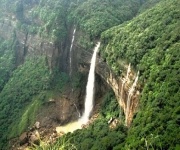
Nohkalikai Falls is among the most recognisable places to visit around Cherrapunjee. Water drops from a high forested plateau into a vivid blue-green pool, while the viewing area looks across one of Meghalaya’s most impressive natural scenes. The main viewpoint is easy to reach by vehicle, making it suitable for families and travellers who want a scenic stop without a long hike.
A picnic here works best as a short morning or afternoon break rather than an extended meal. Bring sandwiches, fruit, water and a thermos, then use the designated viewing area respectfully. Strong wind and sudden rain can make exposed edges uncomfortable, and visitors should remain behind barriers. The falls may look especially powerful during the monsoon, although clouds can obscure the valley and the path may become slippery.
The surrounding plateau is also ideal for photography. Early light often reveals layers of forest and farmland, while late afternoon can bring soft mist across the gorge. Visitors from Australia should remember that familiar habits such as sitting close to a cliff edge for a photograph are unsafe here; viewpoints can be uneven and there may be no broad, fenced viewing platforms like those found at some Australian national parks.
Seven Sisters Falls And Mawsmai Country
Seven Sisters Falls, often called Nohsngithiang Falls, is best known for its multiple streams flowing down the limestone escarpment. During the wet season, the falls become a broad curtain of water. In drier weather, individual channels are more visible, and the layered hills beyond often provide a clearer picnic backdrop.
The viewpoint is close to the road, so it is convenient for a packed lunch during a sightseeing circuit. It is wise to arrive earlier in the day, before tour vehicles fill the parking areas. A simple meal of local snacks, bread, fruit or takeaway rice can be enjoyed away from the edge, provided all packaging is carried out.
Mawsmai Cave is nearby and can be combined with the falls, though it is better treated as a separate stop. The cave is narrow in sections, and wet rock makes ordinary trainers unreliable. Before entering, read this practical cave safety guide and avoid carrying bulky picnic bags inside. Eat before or after the cave visit, rather than trying to manage food in a dark, crowded passage.
Dainthlen Falls For A Quiet Scenic Break
Dainthlen Falls lies a short drive from the main Sohra attractions and often feels less crowded than Nohkalikai or Seven Sisters. The waterfall is associated with a local legend about a giant serpent, and the surrounding rocks contain shapes that are said to represent the creature. Whether visitors come for the story, the landscape or the photography, the setting is memorable.
The area around the falls provides natural places to stop and enjoy a packed meal, although conditions depend on recent rainfall. Flat rocks can become slick, and spray may reach areas that initially appear dry. Choose a stable location well back from the water, particularly when travelling with children or older family members.
Dainthlen suits travellers who prefer a slower itinerary. Rather than rushing through several viewpoints, spend time watching the changing clouds and listening to the water. Australian visitors accustomed to bringing a reusable coffee cup or picnic container can follow the same low-waste routine here, but should carry all rubbish back to their accommodation because disposal facilities are limited.
Mawkdok Dympep Valley Viewpoint
Mawkdok Dympep Valley Viewpoint marks the dramatic approach to Sohra and is one of the most convenient scenic stops in the region. The viewpoint looks over deep green hills and folded valleys, with a high bridge and a series of steps leading to different perspectives. It is particularly attractive when morning fog moves through the ridges.
Small stalls near popular viewpoints may sell tea, snacks and simple local food. This is a useful opportunity to try something warm rather than relying entirely on food packed from a hotel. Travellers should carry modest cash in Indian rupees, as card terminals and mobile payment coverage can be inconsistent outside Shillong. Australian dollars cannot generally be used for small roadside purchases.
The viewpoint is exposed, so wind and rain can arrive quickly. A picnic mat with a waterproof underside is more practical than a lightweight beach towel, and a reusable bottle should have a secure lid. Stay on established steps and platforms, especially when the stone is wet. The view is the attraction; climbing over railings for a wider photograph creates unnecessary risk.
Picnic Essentials For The Plateau
Sohra’s climate requires more preparation than a typical urban park outing. Rainfall can be intense, but even a clear day may become cool and damp. Sun protection still matters because cloud cover does not eliminate ultraviolet exposure. Australian travellers who routinely use SPF 50+ at home should continue that habit, along with a hat and sunglasses.
Local food can make a picnic more enjoyable. Packaged snacks, bananas, bread, boiled eggs, rice dishes and tea are easy to find in town, while hotels and tour operators may prepare takeaway meals with advance notice. Avoid buying more than can be eaten, since carrying leftovers in warm conditions is inconvenient and wildlife should never be fed.
Useful items for a day around waterfalls and viewpoints include:
- A waterproof jacket or compact poncho
- Shoes with firm soles and good wet-rock grip
- Refillable drinking water and a small first-aid kit
- Tissues, hand sanitiser and reusable food containers
- A torch for cave approaches or late returns
Australian travellers should also check entry requirements before departure. Most visitors need an appropriate Indian visa, commonly arranged through the official online system, and passport validity and blank-page requirements should be checked carefully. Meghalaya may also have local travel rules or registration practices that change over time, so confirm current requirements with the relevant authorities or an experienced local operator before travelling.
Living Root Bridges And Riverside Lunches
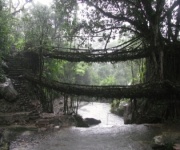
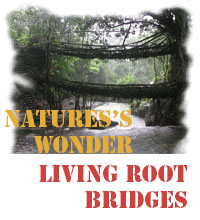
The living root bridges near Nongriat offer one of the region’s most distinctive outdoor experiences. These bridges are formed from trained tree roots and reached by steep stairways, with the Nongriat trek involving a substantial descent and an equally demanding climb back. The route is beautiful, but it is not a casual picnic walk for every visitor.
A riverside meal can be rewarding after reaching the bridge area, especially when arranged through a local homestay or purchased from a small village eatery. Carry only what is needed, as every extra item becomes tiring on the return journey. Water, electrolyte tablets and high-energy snacks are particularly useful for Australians accustomed to long walks in places such as the Blue Mountains or Dandenong Ranges.
Swimming should be approached cautiously. River levels and currents change after rain, and rocks may be covered with algae. Follow local guidance rather than assuming that a clear pool is safe. The trail also passes through inhabited areas, so modest clothing, quiet behaviour and permission before photographing residents are appropriate.
Laitlum Canyon And Alternative Viewpoints
Laitlum Canyon is farther from central Sohra, closer to Shillong, but it can fit into an itinerary that combines both destinations. The broad grassland and deep canyon views create an excellent setting for a packed lunch, particularly when the weather is clear. Compared with the waterfall viewpoints, the landscape feels more open and expansive.
There may be limited shade, seating and food availability, so prepare before leaving the main road. A picnic breakfast can work well if travelling from Shillong, while a late lunch may suit visitors staying in Sohra and returning via Shillong. Avoid spreading food near livestock or leaving bags unattended in open areas.
Other quiet viewpoints around the plateau can be appealing, yet “quiet” does not mean officially managed. There may be no toilets, bins or marked trails. Respect private farmland, keep gates closed and avoid walking across planted areas. Meghalaya’s rural communities depend on these landscapes, and responsible visitors help preserve access for future travellers.
Planning A Responsible Day Outdoors
The ideal picnic itinerary usually includes two or three major stops rather than every attraction in a single day. For example, Nohkalikai Falls, Mawsmai Cave and Seven Sisters Falls can form a manageable circuit, while Dainthlen Falls and Mawkdok work well on a slower route. A local driver can judge road conditions and adjust timing when rain or traffic changes the schedule.
Traffic moves on the left in both India and Australia, but driving conditions are very different. Narrow mountain roads, pedestrians, livestock, buses and sudden bends require patience. Hiring a vehicle with a local driver is generally more relaxing than renting a car, especially for visitors unfamiliar with Meghalaya. Seat belts should be used whenever available, and late-night mountain travel is best avoided.
Before leaving, check the forecast, tell your accommodation where you are going and save offline maps. Mobile coverage can drop around valleys and remote villages. Keep a little emergency cash, a charged phone and copies of important travel documents. Australian visitors should also have travel insurance that covers medical care, trekking activities and cancellations caused by severe weather.
The most scenic picnic spots near Cherrapunjee reward a gentle pace. Eat away from waterfall edges, take every wrapper back to town, and treat local guides, stallholders and communities with courtesy. A simple lunch surrounded by misty hills can become one of the strongest memories of a Meghalaya holiday when the day is planned with care.
Browse the photo album while choosing viewpoints and picnic stops, then arrange a Cherrapunjee tour with a sensible route, reliable transport and accommodation suited to your travel dates. Contact India Beacons Sojourn through Cherrapunjee.net to plan a two- to seven-night Meghalaya holiday that includes the landscapes, walks and local experiences that best match your pace.