




The Perfect 5-Night Itinerary for Nature Lovers
Cherrapunjee, also known as Sohra or Cherrapunji, is a place where rain shapes the landscape, villages sit among green hills and waterfalls appear at the edge of ordinary roads. In Meghalaya, northeastern India, the journey is as rewarding as the destinations: misty ridges, limestone caves, forest paths and living root bridges unfold at an unhurried pace.
A five-night stay gives nature lovers enough time to experience the region without treating every stop as a rushed photo break. The itinerary below balances famous sights with quieter walks, allowing space for changing weather, local meals and the simple pleasure of watching clouds move across the Khasi Hills.
For travellers from Australia, the trip can work well as part of a longer Indian holiday or as a focused Meghalaya escape. Most visitors fly from cities such as Sydney, Melbourne, Brisbane or Perth to an Indian gateway, then continue towards Guwahati before travelling by road to Cherrapunjee. The final drive takes several hours, so building in a relaxed arrival day makes the experience far more comfortable.
The best time depends on the atmosphere you want. The monsoon brings dramatic waterfalls and dense, vivid greenery, while the drier months make longer walks and cave visits easier. Whenever you travel, comfortable footwear, a waterproof layer and a flexible attitude will help you enjoy this highland destination.
Planning The Five-Night Escape
The itinerary works as six days and five nights, with Cherrapunjee as the main base. Staying in or near Sohra reduces packing and unpacking, and it keeps the daily drives manageable. A local driver or organised tour is particularly useful because roads wind through the hills, attractions are spread across the plateau and weather can alter travel times.
The schedule is deliberately spacious. A waterfall may be hidden by cloud in the morning and impressive by afternoon; a slippery trail may take longer than expected; and a village visit should never feel like a race. Think of the plan as a framework rather than a strict timetable, with local guides adjusting visits to the season and conditions.
Night One: Arrive Among The Hills
Travel towards Cherrapunjee from Guwahati, stopping for food, viewpoints and short breaks along the way. As the road climbs into Meghalaya, the scenery changes from busy lowland routes to pine-covered slopes, deep valleys and settlements surrounded by betel nut palms. Arriving in the afternoon or early evening gives you time to check into a resort or hotel and settle in.
Keep the first evening simple. Enjoy a warm meal, listen to the rain on the roof and prepare a small daypack for the next morning. Australian travellers accustomed to driving long distances may find the hill roads slower than expected; an eight-hour journey in Australia does not translate neatly to the same distance in Meghalaya.
If you use the local term Sohra, you will hear it frequently from residents, while Cherrapunjee and Cherrapunji remain widely used by travellers and tourism businesses. All three references point to the same destination area, although Sohra reflects the traditional Khasi name and identity.
Night Two: Waterfalls And Valley Views
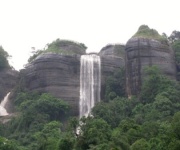
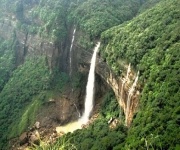
Begin with Nohkalikai Falls, one of the most recognisable sights near Cherrapunjee. From the viewpoint, water drops into a striking blue-green pool surrounded by steep forested cliffs. During the wet season, the volume can be immense, and cloud may drift across the view. Allow time for the landscape rather than arriving, taking one photograph and leaving.
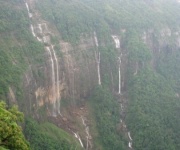
Continue towards other nearby waterfalls and viewpoints, selecting stops according to the season and road conditions. Seven Sisters Falls can appear as several white ribbons descending the cliff face during the rains, while Mawsmai Falls offers a lush setting near one of the area’s best-known cave systems. Local conditions matter: a waterfall that looks modest in the dry months can become a powerful spectacle after sustained rain.
Return to your accommodation before dark and leave the evening free. A slow dinner is part of the experience here, especially after a day of viewpoints and damp trails. Pack a waterproof phone pouch and a spare pair of socks for the following days.
Night Three: Caves, Forest And Limestone Country
Use the third day to explore the limestone landscape around Sohra. Mawsmai Cave is accessible and atmospheric, with narrow passages, shaped rock and a clear sense of Meghalaya’s underground geology. The route can be wet and uneven, so shoes with firm grip are more useful than fashionable trainers. People who dislike confined spaces may prefer a shorter visit rather than pushing through every passage.
Depending on your interests and the advice of your local guide, add another cave or a forest stop. Arwah Cave is known for fossils and a more natural, less polished setting, although access involves walking over uneven ground. The contrast between a managed attraction and a wilder cave makes this a rewarding day for travellers who enjoy geology, photography and quiet exploration.
Keep valuables protected from rain and avoid carrying a large backpack underground. A lightweight torch can be helpful, but follow local guidance and do not touch rock formations or leave rubbish behind. These small choices protect fragile environments that have taken thousands of years to develop.
Night Four: Living Roots And Village Trails
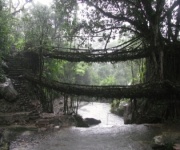
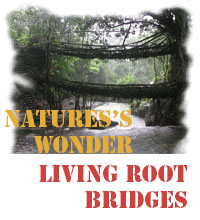
The fourth day is dedicated to Meghalaya’s extraordinary living root bridges. Near Nongriat, the journey usually involves a long descent and a demanding climb back, with hundreds of steps in many versions of the route. The bridge itself is made by guiding the roots of rubber fig trees across a stream until they strengthen into a natural structure. It is a living piece of engineering rather than a conventional built monument.
Start early, carry sufficient water and allow plenty of time for rest. Humidity can make the trail feel harder than the distance suggests, even for fit walkers. A local guide can help with route decisions, river conditions and respectful behaviour in the village. Travellers should avoid treating homes, residents or ceremonies as photo props; a friendly greeting and asking permission go a long way.
For a shorter alternative, visit a more accessible root bridge or combine a village walk with a viewpoint. The right option depends on fitness, weather and the needs of your travelling group. This is the day to prioritise the quality of the walk over the number of locations visited.
What To Carry For Wet-Weather Walks
- A breathable waterproof jacket or poncho, plus a dry change of clothes
- Trail shoes with strong grip and sandals for stream crossings or accommodation
- Reusable water bottles, oral rehydration salts and compact snacks
- A dry bag for phones, passports, cameras and spare batteries
- Insect repellent, sunscreen and a small first-aid kit
Night Five: Forest Calm And Local Flavours
After the physical demands of the root bridge walk, spend the fifth day at a gentler pace. Explore a forested park, visit a viewpoint or take a short village trail near your accommodation. The plateau rewards slow travel: birds call from the trees, mist rolls over the valleys and small roadside stalls offer glimpses of everyday life beyond the headline attractions.
Leave time for local food and handmade goods. Khasi cuisine may include rice, pork, fish, seasonal vegetables and distinctive fermented or smoked flavours. Menus vary between hotels, homestays and local restaurants, so tell your host about dietary requirements early. A warm bowl of rice and a simple regional dish can be especially welcome after a damp morning outdoors.
A visit to the area feels more meaningful when shopping supports local makers rather than treating souvenirs as anonymous products. Before buying, learn about local markets and handicrafts, including the kinds of woven goods, food products and handmade items associated with Meghalaya. Carrying a reusable bag is practical, and buying fewer, better-made pieces keeps luggage manageable for the journey home.
A Comfortable Day-By-Day Rhythm
The following sequence keeps the most strenuous walk away from arrival and leaves the final full day flexible. Your guide may reverse some activities when rain, road conditions or seasonal opening arrangements make another order more sensible.
- Day one: Travel from Guwahati towards Cherrapunjee, check in and rest
- Day two: Visit Nohkalikai Falls, Seven Sisters Falls and nearby viewpoints
- Day three: Explore Mawsmai Cave, another limestone site and surrounding forest
- Day four: Walk to a living root bridge near Nongriat or choose a shorter alternative
- Day five: Enjoy a relaxed forest, village or viewpoint excursion with local food
- Day six: Depart for Guwahati or continue to another Meghalaya destination
Practical Details For Australian Travellers
Australian visitors should check current Indian visa requirements well before departure and confirm passport validity, entry conditions and any required permissions. Requirements can change, so use official government sources and allow time for processing. Cherrapunjee.net also provides destination guidance alongside its travel packages, which can help you organise the local portion of the journey.
Australian school-holiday periods, especially around June, September and December, can affect flight prices and accommodation availability. The July winter break in Australia coincides with Meghalaya’s heavier rainfall, which is attractive for waterfall lovers but can bring road delays. If travelling then, add buffer time rather than scheduling a same-day connection after the hill drive.
Budget in Australian dollars for the full travel chain, not just the resort stay. International flights, domestic connections, transfers, accommodation, meals, guides and entry fees all contribute to the final cost. Carry a small amount of Indian currency for rural stops, while keeping cards and cash secure. A familiar Australian habit such as tapping a card everywhere may not work in smaller villages.
The Australian style of casual friendliness is usually appreciated, but local etiquette still matters. Dress modestly away from resort areas, ask before photographing people and avoid loud behaviour at sacred or community sites. You may hear travellers say “arvo” or talk about a “servo” at home, but in Meghalaya the most useful phrases are simple greetings, thanks and patience when communication takes a little longer.
Booking The Right Stay And Transfers
Accommodation ranges from comfortable resorts and hotels to homestays with a more personal connection to local life. A resort may suit travellers who want reliable facilities and views, while a homestay can offer regional meals and conversation. Confirm whether your chosen property has hot water, heating, reliable mobile coverage, power backup and transport assistance before booking.
A private vehicle with a local driver is usually the easiest option for a five-night itinerary. It allows early starts, flexible stops and changes when rain affects a trail. Group tours can provide value and companionship, while a private package is better for families, photographers or travellers who want to adjust walking distances.
When comparing vacation packages, look beyond the headline price. Check what is included for airport transfers, accommodation, meals, entry charges, guides and local transport. Ask whether the plan allows for weather-related changes and whether the operator has experience with visitors from overseas.
Cherrapunjee.net, operated by India Beacons Sojourn, presents multi-day travel packages ranging from two to seven nights, making it possible to adapt this itinerary to a longer Meghalaya holiday or a shorter stop. Booking assistance can also help coordinate the route from Guwahati and select accommodation suited to your walking preferences.
A five-night stay gives Cherrapunjee the time it deserves: enough for dramatic waterfalls, limestone caves, living root bridges, village paths and unplanned moments in the rain. Arrange your Meghalaya journey through Cherrapunjee.net and build the final details around the season, your fitness and the kind of landscape you most want to remember.