




The story behind the Krem Phyllut caves
Some of Meghalaya’s most memorable places are not monuments with polished facades or signs explaining every century. Krem Phyllut, near Sohra, is a limestone cave whose appeal comes from the meeting of water, time and Khasi belief. From the wet entrance, a visitor moves through a dark world of chambers, mineral curtains and bats, while the surface continues to receive some of India’s heaviest rainfall. The cave is an experience of changing textures: slippery rock, cool air, echoing footsteps and sudden openings that reveal formations shaped over thousands of years.
For travellers from Australia, reaching this landscape takes planning, but the detour rewards curiosity. Sohra, formerly Cherrapunji, sits in Meghalaya’s East Khasi Hills, not in a flat tourist compound but among forested ridges, villages and monsoon-fed streams. The name appears in guides as Krem Phyllut, Krem Phliat and Krem Phyllut Caves, reflecting the difficulty of recording Khasi sounds in English. This variation is a useful first clue: the cave belongs to a living cultural and geological story, not simply a list of photo spots.
A sacred cave in Meghalaya’s rain
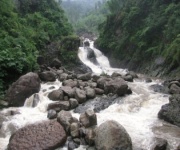
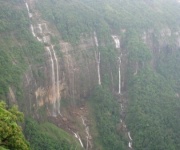
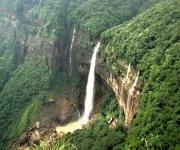
Krem Phyllut lies in the limestone belt around Old Sohra, close to Arwah Cave and other cave entrances. The journey from town can include a short walk, uneven ground and steps that become slick during rain. Many visitors approach through a landscape already saturated by waterfalls and wet vegetation, so the cave feels less like an isolated attraction than part of a much wider water system. Its exact walking route and opening status can change with weather and local conservation decisions.
For Khasi communities, caves also carry spiritual and social meaning. Krem is the Khasi word for cave, while the meaning of the second part of the name is explained differently in local oral histories and English-language descriptions. Guides often speak about the cave as a sacred place rather than simply a geological corridor. Visitors who listen to those explanations, follow access instructions and avoid treating formations as souvenirs are participating in a more respectful form of travel.
How limestone shaped the underground world
The rock beneath Krem Phyllut began as carbonate sediment in an ancient shallow sea, built from marine remains over millions of years. Later movement of the earth lifted and fractured the limestone, creating joints that rainwater could exploit. Meghalaya’s intense seasonal downpours then became a patient sculptor: slightly acidic water dissolved the rock, enlarged cracks and connected underground passages. Geologists describe the early water-filled passages as phreatic and the later, air-filled routes as vadose, though the names are less important than the continuous collaboration of stone and rain.
Water is still active inside the cave. Mineral-rich droplets leave calcium carbonate behind as they fall from ceilings, forming stalactites, while deposits rising from floors form stalagmites. Flowstone sheets, curtains and columns develop where water spreads over rock or seeps through fractures. Published accounts often describe the visitor system as roughly 3,000 metres long, making it one of Meghalaya’s major caves; measurements vary because surveys, names and open routes are not always identical. Speleologists continue to distinguish an accessible passage from the full geological system.
The Khasi stories behind the name
One of the best-known local associations is with U Pbuh Khawktuk, a Khasi deity associated with bats and often described in visitor accounts as a guardian of the cave. Spellings and translations vary, and the name should not be reduced to a single English phrase as though oral tradition were fixed. Some accounts place the bat deity at Krem Phyllut, while guides and residents may connect the place more broadly with Khasi cosmology, water, protection and the hidden geography of the hills.
That relationship gives the cave a life beyond its measured length. Bats are more than a dramatic detail for visitors; within the cave, they are part of the underground ecosystem and a reason many communities approach the site with care. Their presence can require quiet or affect which sections remain open. When prayer, an offering or a local ceremony is taking place, photography and casual noise may be unwelcome. A guide-led conversation can explain how different communities understand the name and what conduct is appropriate, without forcing a single English legend onto a living sacred place.
Reading the cave and its living rhythms
Inside, the route alternates between narrow passages and larger chambers where the sound of water changes. A helmet and reliable headlamp may be supplied or required, and visitors should follow the marked path rather than explore dark side passages. Mineral formations reward a slower pace: look for thin straws, rippled surfaces and layered curtains, but avoid touching them. Skin oils and incidental contact can damage deposits that take a very long time to form, while loose stones can make wet floors unstable.
The cave is also a place to read the weather. Rain on the surface can feed streams that rise quickly inside, and guides may alter the route or close access when water is unsafe. The drier months are often easier for sightseeing, while the monsoon reveals the forces that created the cave in the first place. Australian visitors should remember that their seasons run opposite to Meghalaya’s: June to August is winter at home but the heart of the monsoon here, whereas December to February is generally a calmer season for travel. Neither choice removes rain completely, so waterproof layers matter.
Planning an Australian journey to Sohra
Most Australian itineraries reach Sohra through a connection in a major Indian city. Travellers from Sydney, Melbourne or Brisbane commonly fly with a stop in Delhi, Mumbai, Bengaluru or Kolkata, then connect to Guwahati before travelling overland or taking a regional flight, depending on schedules. Perth routes often involve another Asian stop. Air connections and road transfers can be disrupted by weather, so build a generous buffer rather than squeezing a cave visit between two same-day flights.
India drives on the left, as Australia does, but familiar traffic rules do not make Sohra roads identical to Australian roads. Vehicles, road surfaces and local driving rhythms vary, so an arranged transfer or driver is usually the sensible choice. Australian visitors accustomed to contactless payment in Sydney or Melbourne should carry a modest supply of rupees: card acceptance and mobile data can be uneven outside larger hotels. The same practical contrast appears at markets such as Queen Victoria Market in Melbourne or Adelaide Central Market, where prices and payment habits are straightforward; in Sohra, confirm a stall’s price before buying and ask before photographing vendors. To compare inclusions and transfers, review tour option comparisons before choosing a package.
Practical advice for a respectful visit
Australian passport holders normally need an appropriate Indian tourist visa or an eligible e-visa, subject to the purpose and length of travel. Apply before booking non-refundable services, carry the required passport and visa documents, and check current instructions through official Indian consular channels and Australia’s Smartraveller advice. Because Cherrapunji is in Meghalaya, check current Inner Line Permit rules for foreign visitors; requirements and exemptions can change, and border areas have separate conditions. Confirm the current position with the operator and relevant authorities before departure.
Choose footwear with grip for wet steps, wear quick-drying clothes and bring a dry layer, a small torch as backup and protection for valuable electronics. Cave rules may require a helmet or guide, and heavy rain can lead to sudden closure. Keep voices low, follow the guide’s instructions, do not touch formations or feed bats, and avoid flash photography if requested. Australian casual clothing is common in towns, but choose covered shoulders and knees for village or shrine settings; remove shoes when asked, use the right hand for giving or receiving items, and ask before photographing people or rituals.
- Secure the correct visa or e-visa, travel insurance and onward documents before booking, then keep digital and paper copies accessible.
- Reserve a guided visit with a local operator and confirm the route, cave opening status, equipment, transport and any permit requirements in writing.
- Pack grippy shoes, a light rain shell, dry clothing, drinking water and a small power bank; leave bulky bags with the guide if instructed.
- Treat the cave as a sacred and living habitat: keep distance from bats, avoid touching calcite and keep noise low.
- Carry rupees for small purchases and taxis, agree the fare where appropriate, and tell someone your expected return time.
Bring the cave story into your itinerary
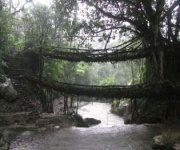
A longer stay lets the cave sit alongside the wider Sohra circuit instead of becoming a hurried stop between viewpoints and photographs. The six-night Sohra itinerary provides a useful starting point for travellers who want time for Krem Phyllut, other caves, waterfalls, viewpoints and the living root bridges of Meghalaya. Ask India Beacons Sojourn to confirm the current inclusions, guide arrangements, vehicle transfers and the best day for weather, since access conditions can shift.
To turn the story into a journey rather than a checklist, choose dates with a buffer, arrange the cave visit through a local team, and leave space for an unexpected conversation or a changed route. Bring your Australian sense of humour and a willingness to follow local guidance; the travel site and India Beacons Sojourn can help organise the stay, while the cave and its Khasi context remain the reason to go. Book with clear expectations, respect the sacred landscape and allow enough time to hear the water before leaving Sohra.