



The Story Behind Thangkharang Park and Its Viewpoints
Thangkharang Park sits on the southern edge of Sohra, better known to many travellers as Cherrapunji or Cherrapunjee. Its fame comes from the dramatic views beyond the plateau: deep gorges, forested ridges, Kynrem Falls and, on clear days, the broad lowlands stretching towards Bangladesh. The park is more than a stop for photographs. It is a carefully placed viewing landscape where geology, monsoon weather and Khasi country meet.
For visitors from Australia, the experience feels distinct from a standard lookout near Sydney, Melbourne or Brisbane. The paths are shaped by heavy rain, cloud can arrive within minutes, and the horizon can disappear before returning in brilliant light. Understanding how the park works and why its viewpoints matter makes a short visit feel more connected to Sohra’s wider story.
A Park Shaped By Sohra’s Weather
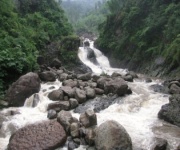
Thangkharang Park belongs to a high, wet landscape formed by the southern escarpment of Meghalaya. Sohra receives some of the heaviest rainfall on Earth, although rainfall patterns vary from year to year and from season to season. Water has carved the limestone plateau into cliffs, channels, caves and narrow valleys, giving the viewpoints their extraordinary sense of depth.
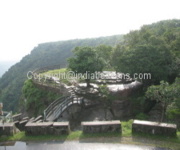
The park’s lawns, planted areas and walking routes create a gentler setting around that rugged edge. Visitors can move between viewpoints rather than standing at a single roadside barrier, with trees and ornamental planting framing different sections of the valley. The atmosphere changes constantly: mist softens the cliffs, sunlight picks out waterfalls, and wind pushes clouds across the escarpment.
A visit also reveals why local maintenance matters. Intense rain can damage steps, wash soil from paths and encourage fast plant growth. The park’s appeal depends on regular care, drainage work and sensible visitor behaviour. Its viewpoint story is therefore practical as well as scenic: people have made a place where the power of the monsoon can be observed without needing to enter exposed gorge country.
The View Towards Kynrem Falls And Bangladesh
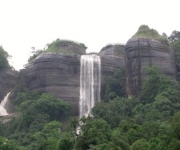
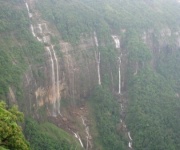
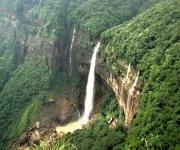
One of Thangkharang Park’s defining sights is Kynrem Falls, a multi-tiered waterfall descending through the forested landscape. The falls are especially striking during or after the monsoon, when streams carry more water. In drier months, the flow may be less forceful, yet the surrounding cliffs and layered vegetation still give the view considerable character.
Far beyond the escarpment, the land falls away towards the plains of Bangladesh. This is one of the memorable geographical contrasts around Sohra: a cool, elevated plateau can look across to a warmer, flatter region only a short distance away in visual terms. The border itself is not a casual crossing point, and the view should be understood as a landscape panorama rather than an invitation to approach restricted areas.
Clear visibility is never guaranteed. Australian travellers accustomed to checking a weather app before a coastal drive may find that local conditions change faster than the forecast suggests. Early morning can bring a washed-out horizon, while a brief break in the cloud later in the day can reveal the entire escarpment. Allowing time for a second look is often more rewarding than treating the park as a quick photo stop.
Khasi Country Beyond The Lookout
Thangkharang Park sits within a living Khasi cultural landscape. The Khasi people have developed detailed knowledge of forests, streams, slopes and seasonal weather, and that relationship with the environment can be seen across the wider Sohra region. Nearby villages, sacred groves, cultivated land and traditional pathways give context to the park’s manicured spaces.
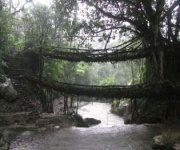
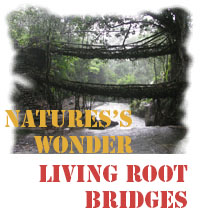
The famous living root bridges of Meghalaya offer another way to understand this relationship. Created by guiding the roots of rubber fig trees across streams, they demonstrate patient, multigenerational landscape management rather than a short-term construction project. The living root bridge story explains why these structures require continuing care and why their value cannot be separated from local knowledge.
That perspective helps visitors read Thangkharang more thoughtfully. The park is a public viewpoint within a much larger environment, not an isolated attraction. Its lawns and paths are the accessible surface of a region where rain, plants, rock and community practices have shaped one another for centuries. Respectful travel means taking photographs without treating homes, people or sacred places as background props.
Seeing The Park With Care
The best viewpoints are experienced slowly. Look first at the large forms—the escarpment, waterfall and plains—then notice smaller details such as wet rock, fern-covered banks, flowering plants and the movement of cloud through the valleys. A wide-angle photograph may capture the scale, but a quieter observation often explains why the landscape stays memorable.
Footwear deserves attention. During the wet season, paved sections can still be slippery, and mud may collect beside the main paths. A light waterproof layer is useful even when the morning begins warm. Carry water, but also avoid leaving disposable bottles or snack packaging behind. In a high-rainfall environment, litter can move quickly into drains and streams.
Visitors should remain on marked routes and avoid climbing barriers for a clearer photograph. Edge conditions can be deceptive when rock is wet or visibility is poor. Local rules, opening hours and access conditions may change with weather or maintenance, so a guide or accommodation host can provide current advice before departure.
Practical Notes For An Australian Journey
Sohra is commonly reached by road from Shillong, while Guwahati is the main wider transport gateway for many itineraries. Travellers flying from Australia may connect through cities such as Singapore, Kuala Lumpur, Delhi or Kolkata before continuing towards Northeast India. A multi-day Meghalaya package can reduce the need to arrange separate transfers, especially when Thangkharang Park is combined with waterfalls, caves and living root bridges.
Australian school-holiday periods can make flights and accommodation more expensive, just as they do around the Great Barrier Reef or the New South Wales coast. The wet season can deliver the most powerful waterfalls but also slower roads and reduced visibility. A shoulder-season trip may offer a useful balance between green scenery, manageable travel times and clearer viewpoints.
Before departure, check current Indian visa requirements through official channels and review travel advice from Australia’s Department of Foreign Affairs and Trade. Indian entry rules, regional permits and local access arrangements can change. Australian biosecurity law also applies when returning home: declare food, seeds, soil-covered footwear and other controlled items rather than assuming a small souvenir is automatically permitted.
A few simple choices make the day more comfortable. Carry small cash for minor purchases where card facilities may be unreliable, keep a charged phone and power bank, and use sun protection even under cloud. Australia’s strong everyday sun-safety habits are useful here, but tropical rain requires a second layer of preparation.
A practical packing checklist should include:
- Lightweight waterproof jacket or poncho for sudden showers
- Grippy walking shoes with suitable ankle support
- Reusable water bottle and a small rubbish pouch
- Hat, sunscreen and insect repellent
- Dry bag or waterproof cover for phone and camera
The following habits are equally valuable once you arrive:
- Allow extra road time between Shillong, Sohra and nearby attractions
- Confirm weather and viewpoint access before setting out
- Keep distance from cliff edges, wet rocks and temporary barriers
- Ask before photographing residents, workers or private property
- Carry Indian rupees for small local purchases and transport needs
Australian visitors may also want to keep regular medicines in original packaging and carry a copy of prescriptions. If a personal wellness routine includes supplements, check the ingredients and travel requirements before packing; a specialist source such as wellness products can be reviewed alongside advice from a doctor or pharmacist. This is particularly sensible when combining long road journeys, humid weather and unfamiliar food.
Thangkharang Park works best as part of a broader Sohra itinerary rather than as a stand-alone dash. Pairing it with Kynrem Falls, nearby caves or a village-based experience gives the viewpoints more meaning. The park shows the scale of the escarpment, while the surrounding attractions reveal how people live with its water, stone and forests.
Make the park a considered stop on your Meghalaya journey through Cherrapunjee.net. With suitable timing, respectful conduct and enough space in the schedule for the weather to change, Thangkharang’s viewpoints can become one of the clearest windows into Sohra’s remarkable landscape.