





A Two-Night Solo Adventure in Cherrapunjee
For Australian travellers used to plotting their own path through Kakadu or the Kimberley, a short getaway in northeast India can feel like a refreshing change of scenery without a long commitment. Cherrapunjee, in the wettest pocket of the Meghalaya plateau, packs dense rainforest, deep limestone caves and the famous living root bridges into a surprisingly compact area. A two-night adventure package is built for visitors who want to swap office deadlines for dripping canopies, mist-cloaked valleys and a bit of honest-to-goodness solo wandering.
This sort of short-haul experience sits neatly between a quick weekend in Bali and a full three-week Indian overlander. You still get guide-led hikes, cultural immersion and proper accommodation, but the format respects the way many Aussies book leave, with a couple of days here and a long weekend there. The itinerary stitches together the headline highlights without rushing you through them, leaving room to pause, photograph and chat with locals in the Khasi villages scattered across the ridges.
Why Cherrapunjee Works for Solo Travellers from Down Under
Aussie solo travellers tend to be practical, safety-conscious and a bit sceptical of cookie-cutter tours. The two-night Cherrapunjee package fits that mindset because it is small-group by default, with English-speaking local guides who know the terrain intimately. You are not herded through with forty other tourists, and you are not left entirely on your own either. Solo female travellers, in particular, often comment on how comfortable they feel in Meghalaya compared to busier Indian circuits, partly because the region has a strong Christian Khasi community, partly because group sizes stay modest.
The destination itself rewards independent types. Walking through the rainforest in Cherrapunjee feels closer to a guided bushwalk in Tasmania than to a temple crawl in Varanasi. The pace is slower, the sounds are overwhelmingly natural, and your guide is more likely to point out a hornbill or a shy barking deer than to push you towards a souvenir stall. If you are travelling from Sydney, Melbourne or Brisbane, you can fly to Kolkata or Guwahati, then connect overland, which means the whole trip can be done in about a week including travel days.
| Package Option | Length | Focus | Best For |
|---|---|---|---|
| Two-Night Adventure | 2 nights / 3 days | Living root bridges, waterfalls, one major cave | First-timers, short leave windows |
| Three-Night Explorer | 3 nights / 4 days | Adds Mawlynnong, Dawki river boating | Travellers wanting Dawki's clear water |
| Four-Night Deep Dive | 4 nights / 5 days | Includes extra caving and village stays | Caving enthusiasts and photographers |
| Seven-Night Circuit | 7 nights / 8 days | Adds Shillong, Kaziranga safari | Holiday-makers with longer leave |
Inside the Two-Night Itinerary
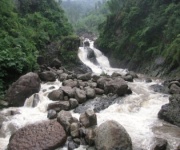
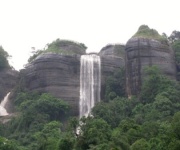
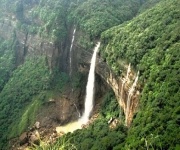
The standard two-night solo adventure package begins with a transfer from Shillong, the state capital, where most Australian visitors base themselves for the first or last night. Day one eases you in with a drive through the rolling East Khasi Hills, frequent photo stops at roadside waterfalls and a late-afternoon visit to the Nohkalikai Falls, which drops roughly 340 metres into a turquoise pool. The light at this time of year, around the back end of the monsoon in October, makes the cliff face glow against the dark rock.
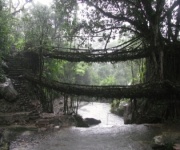
Day two is the heart of the experience: a guided trek to the double-decker living root bridge at Nongriat. Expect around 3,500 steps each way, a fair bit of mud, plenty of leeches in the wetter months, and a real sense of achievement when you reach the bio-engineered bridge grown from the aerial roots of rubber fig trees. The village above the falls serves a simple lunch of rice, dal and local greens, which most guests find surprisingly tasty after the descent. The return climb is the workout of the trip, so a decent pair of hiking sandals or runners with grip is essential.
Caves, Climbs and Cloud-Filled Valleys
Caving is a centrepiece of Meghalaya tourism, and the two-night package typically includes either Mawsmai or Arwah, depending on conditions. Mawsmai, near the main Cherrapunjee viewpoint, is the easier option: lit pathways, open chambers and dramatic formations you can photograph without a torch. Arwah is wickier and more atmospheric, with tight squeezes, ancient fossils and a stream running through the lower gallery. Your guide will match the cave to your comfort level, and helmets are provided.
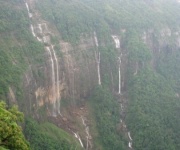
Around the caves, the landscape keeps delivering. The seven sisters falls, the Wei Sawdong and the gardens at Mawsmai offer quick wins for photographers, while the short walk to the Mawsmai viewpoint puts the Bangladesh borderlands in the distance on a clear day. For those who prefer something less strenuous, the local markets in Cherrapunjee town sell bamboo handicrafts, wild honey and the famously hot Meghalaya ginger. If you are after a comparison with other South and Southeast Asian spiritual journeys, this guide to Thai temples covers a different but complementary kind of cultural travel.
Practicalities for Aussie Visitors
A handful of practicalities make the trip smoother for Australian travellers. India requires an e-Visa for Australian passport holders, which you can apply for online before departure. The process is straightforward and usually cleared within seventy-two hours, though you should not leave it to the last arvo before you fly. Indian rupees are easy to obtain on arrival at the airport, but small notes are useful for tipping drivers and guides. Most Australians already use a global roaming pack or pick up a local Jio or Airtel SIM at the airport for the duration of the trip.
The climate takes a little adjusting to. Meghalaya is wettest between June and September, and the famous Cherrapunjee rainfall record is real, so pack a proper rain jacket, quick-dry layers and dry bags for your camera and phone. The shoulder months of October, November, February and March are drier, cooler and more comfortable for hiking, though the waterfalls run thinner. If you are chasing the full force of Nohkalikai, plan around the late monsoon rather than midwinter. Bring sunscreen and sunnies for the clear days, because the UV at this elevation is stronger than what you get on the coast back home.
What to Pack and What to Skip
Smart packing makes the difference between a tiring slog and an enjoyable trek. The terrain is rough underfoot, the weather can flip inside an hour, and porter services are limited on the two-night package, so you need to carry what you bring. Aim for a daypack between thirty and forty litres, packed light enough that the climb back up from Nongriat does not feel like a punishment.
Kit List for the Two-Night Trek
- A pair of broken-in hiking shoes with strong grip, since the root bridge steps are uneven and slippery.
- A lightweight rain shell and a small pack cover, even in the dry season.
- A head torch or compact flashlight for cave sections and early-morning village walks.
- Quick-dry trousers and a long-sleeve shirt, both for sun protection and modesty at village stops.
- A reusable water bottle with purification tablets or a filter, since tap water is not drinkable.
- A power bank, because charging points in some guesthouses are limited and a dead phone is no fun halfway down a stairway.
Leave the heavy tripod, the hair dryer and anything you would not be happy to lose in a sudden downpour. The guesthouses provide towels and basic toiletries, and the cooler evenings at altitude mean you will want a light fleece rather than heavy winter gear.
Adding Days or Pairing Destinations
The two-night format is genuinely a complete experience, but it pairs well with extra days in Shillong or a side trip to Dawki and Mawlynnong. Many Australian guests add a night in Shillong at the start for the cafés, the Don Bosco Museum and a gentler introduction to Khasi culture, then finish with a couple of quiet days in Guwahati before flying out. If you are the sort of traveller who books through a trusted Indian operator, browsing the full site map is a good way to see every package, hotel and attraction in one place.
Those with more leave can extend into Kaziranga for a rhino safari, push further into Tawang in Arunachal Pradesh, or simply add more nights in Cherrapunjee itself for slower treks and repeat cave visits. Solo travellers who have been before often upgrade to a four-night package so they can stay overnight in Nongriat village, wake to the sound of hornbills and tackle the longer root bridge walks without a deadline. The flexibility is part of the appeal: a short, well-curated adventure that you can stretch, trim or repeat depending on the year.
Book the two-night Cherrapunjee solo adventure with India Beacons Sojourn through the contact details on the website, and ask about group departures that match Australian holiday windows such as the October long weekend or the Easter break.