





A Four-Night Wildlife Escape In Cherrapunjee
Cherrapunjee, also known as Sohra or Cherrapunji, is a rewarding destination for travellers who prefer forest trails, waterfalls, caves and living landscapes to a fast-moving sightseeing schedule. In Meghalaya, mist settles over ridges, rain feeds dramatic cascades and villages remain closely connected with the surrounding hills.
For Australian visitors, four nights offers enough time to travel at a comfortable pace while exploring the natural character of the region. The programme can combine rainforest walks, birdwatching, cave visits, viewpoints and a full-day excursion to a living root bridge, with flexible space for weather-related changes.
The top 4-night package for wildlife and nature enthusiasts should feel immersive rather than rushed. It should include practical transfers, knowledgeable local guidance and accommodation in or near Sohra, allowing early starts when forests are quieter and the light is best for photography.
Why Four Nights Works In Sohra
A short overnight visit often covers only the famous waterfalls and a viewpoint. Four nights gives nature travellers time to see how the landscape changes from open plateau to wet forest, deep ravine and village farmland. It also reduces the pressure to move between distant attractions during heavy rain.
A typical package begins with arrival in Guwahati, followed by a road transfer into Meghalaya. The journey takes several hours, yet the changing scenery is part of the experience: broad Assam plains gradually give way to winding hill roads, pine-covered slopes and the cooler plateau around Shillong and Sohra.
The extra nights are especially valuable during the monsoon season, when a waterfall may look completely different from one morning to the next. Even outside the heaviest rains, cloud and mist can alter visibility quickly, so a flexible itinerary gives travellers a better chance of enjoying clear viewpoints and safe walking conditions.
The Five-Day Rhythm
The first day is generally devoted to arrival and settling into the accommodation. Depending on the transfer schedule, there may be time for a gentle visit to a local viewpoint or a short walk near the resort. Keeping this day light is sensible after an international flight from Australia and a long overland journey from Guwahati.
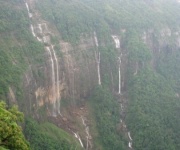
The second day can focus on signature Sohra scenery, including Nohkalikai Falls, Seven Sisters Falls when visible, Mawsmai Cave and nearby forest viewpoints. Mawsmai is relatively accessible, while other trails may involve wet rock, uneven steps and slippery ground. A local escort can explain the geology, plant life and folklore without turning the day into a rushed checklist.
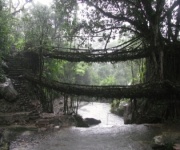
Day three is ideal for a longer nature outing. The trek to Nongriat and the Double-Decker Living Root Bridge involves many steps, humid conditions and a demanding return climb, but the route passes through dense vegetation, streams and village landscapes. Travellers who prefer a gentler programme can choose a shorter forest walk or a waterfall circuit instead.
Rainforest Trails And Waterfalls
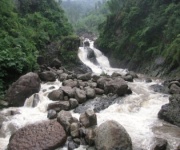
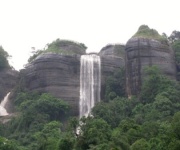
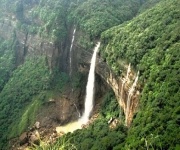
Sohra’s waterfalls are central to its appeal, but they are also indicators of the region’s powerful monsoon ecology. Nohkalikai drops from the plateau into a deep green basin, while seasonal cascades appear along cliffs and forest edges. The sight is often strongest after rainfall, though access and visibility depend on current conditions.
Wildlife enthusiasts should treat the trails as observation routes rather than guaranteed-sighting locations. Early morning is usually better for bird activity, while quiet stretches near streams may reveal butterflies, frogs, skinks and aquatic insects. Patience matters: a few minutes spent listening can be more rewarding than hurrying towards the next lookout.
Wear shoes with reliable grip and allow time for clothing to dry. Australian travellers accustomed to marked national-park tracks should expect more variable surfaces in Meghalaya, including stone steps, mud, roots and narrow paths. Local guides can advise when a trail is unsafe after intense rain and can help visitors avoid entering closed or unstable sections.
Wildlife Encounters With Care
The forests around Sohra support a rich range of small wildlife, including hill birds, fruit bats, butterflies, moths, frogs and reptiles. Macaques and other mammals may be seen near forest margins or tourist areas, but feeding them creates aggression, dependency and health risks. A responsible itinerary keeps food securely stored and observes animals from a respectful distance.
Birdwatchers may look for drongos, barbets, bulbuls, sunbirds and other species associated with Meghalaya’s subtropical habitats. The exact mix changes with season, elevation and weather. Binoculars, a lightweight field guide and a phone camera with a modest zoom are more useful than intrusive attempts to approach wildlife.
Visitors should avoid loud music, flash photography at close range and collecting feathers, plants or stones. Meghalaya’s natural attractions are shared by local communities, and many sites carry cultural or religious significance. Following guide instructions, staying on established paths and carrying rubbish out are simple ways to keep the experience low-impact.
Villages, Groves And Living Roots
The landscape is shaped by people as well as rain. Villages, betel-leaf plantations, small farms and forest corridors appear between the major attractions. A visit to a local market can add colour to the trip, with seasonal produce, spices, bamboo goods and handmade items reflecting everyday life in Meghalaya.
The living root bridges are among the region’s most remarkable examples of traditional ecological knowledge. Khasi communities have trained the roots of rubber fig trees across streams for generations, creating structures that strengthen and mature over time. They are living infrastructure rather than decorative monuments, so visitors should cross carefully and follow local rules.
A four-night itinerary may include Mawlynnong or another community-based destination, subject to road conditions and the package route. These excursions can be paired with viewpoints, forest walks and village visits, but should not be treated as a quick photo stop. Buying locally made goods and using community-run services helps keep tourism income within the area.
Practical Preparation For Australian Travellers
Australian visitors should plan around the realities of the journey rather than assuming that every transfer will run like a city commute. Flights from Sydney, Melbourne, Brisbane, Perth or Adelaide usually require connections before reaching Guwahati, and the final road journey can be slow on winding mountain routes. Building in recovery time helps travellers begin walking refreshed.
Indian entry requirements, visa categories and permitted activities can change, so Australian passport holders should check the current official Indian government guidance before booking. A passport generally needs adequate validity and blank pages, and an approved visa or e-Visa may be required before travel. Carry digital and printed copies of key documents, accommodation details and emergency contacts.
Australia’s biosecurity rules also matter when returning home. Declare food, seeds, plant material, animal products and other restricted items rather than placing them casually in checked luggage. This is familiar to travellers who have passed through strict airport controls in Sydney or Melbourne, but it is worth checking the latest requirements because penalties can apply.
Useful Items For Forest And Monsoon Conditions
- Lightweight quick-dry clothing, a warm layer and a waterproof outer shell
- Grippy walking shoes, spare socks and sandals for accommodation
- Compact binoculars, a head torch and a waterproof phone pouch
- Insect repellent, personal medication, sunscreen and a small first-aid kit
- Reusable water bottle, dry bags and snacks without disposable packaging
Australian travel habits can be useful here: carry a refillable bottle, keep a light rain jacket within reach and use contactless payments where available, while retaining some Indian rupees for small shops, local guides and rural transport. Card facilities are more common in major towns than on remote trails.
Accommodation standards vary from comfortable resorts to simpler guesthouses. Travellers comparing regional boutique stays may find the planning approach used for Malaysia honeymoon hotels useful when considering room style, location and inclusions, although Sohra’s appeal lies more in access to nature than in urban luxury.
Choosing The Right Package Details
The best wildlife and nature itinerary should state what is included in the four nights: airport or railway transfers, accommodation, meals, vehicle use, guide services and entry fees. It should also identify which activities require extended walking. Clear details make it easier to compare the package price in Australian dollars while allowing for currency fluctuations and personal spending.
Travel during Australian school holidays can increase demand and airfares, particularly around December, January, Easter and winter breaks. Booking early is sensible for preferred rooms and flights, while the wettest months may appeal to waterfall enthusiasts and the clearer shoulder periods may suit walkers and photographers. Weather should influence expectations, not eliminate flexibility.
Sustainable travel is especially important in high-rainfall environments where footpaths erode quickly and waste removal is difficult. Choose refillable water over repeated plastic bottles, use established toilets, avoid single-use packaging and respect signs around caves, bridges, sacred groves and community land.
Details To Confirm Before Departure
- Exact Guwahati pickup and return times, including allowance for traffic and weather
- Whether guided treks, cave entry, meals and attraction fees are included
- Accommodation location, room facilities, hot-water availability and backup power
- The fitness level required for Nongriat or any longer forest excursion
- Cancellation, delay and insurance terms for monsoon-related disruption
The Cherrapunjee travel sitemap provides a useful way to review the destination’s accommodation, attractions, travel information and related resources before finalising an itinerary. It can help travellers match a four-night nature package with the right resort location and sightseeing priorities.
Reserve A Deeper Meghalaya Experience
A well-designed four-night stay gives wildlife and nature enthusiasts a balanced view of Sohra: immense waterfalls, misty forests, living root bridges, caves, village markets and the quiet details of Meghalaya’s biodiversity. It leaves room for weather, conversation and unplanned discoveries instead of reducing the region to a series of hurried photographs.
India Beacons Sojourn can help arrange a Cherrapunjee holiday package with accommodation, transfers and sightseeing suited to the season and the traveller’s preferred activity level. Review the available options, prepare the required travel documents and contact Cherrapunjee.net to reserve a nature-focused Meghalaya journey.