





Beginner-Friendly Caves Near Sohra Worth Exploring
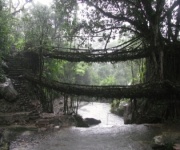
Sohra, also widely known as Cherrapunji or Cherrapunjee, is famous for rain, waterfalls and living root bridges, yet its limestone caves offer a different way to experience Meghalaya. Some are short, well-known visitor sites with clear paths, while others lead into darker, wetter passages where a local guide and proper equipment are essential.
For travellers from Australia, the easiest cave visits can fit comfortably into a Meghalaya holiday without turning the trip into a technical expedition. Mawsmai Cave is the classic first stop, while Arwah Cave offers a more adventurous feel. The best choice depends on your comfort with uneven ground, humidity, enclosed spaces and the occasional muddy step.
Choosing A Cave Near Sohra
Beginner-friendly does not mean every cave near Sohra is paved, dry or accessible to everyone. In Meghalaya, cave conditions change with the season. Heavy monsoon rain can make entrances slippery, increase water inside passages and affect access roads. Even during drier months, limestone floors may be damp and uneven.
A suitable first cave should have a straightforward approach, a manageable duration and enough local support nearby. You should be able to enjoy the formations without needing ropes, crawling gear or specialist underground navigation. Mawsmai generally fits this description best, while Arwah is suitable for active visitors who are comfortable with a more natural trail.
Footwear matters more than speed. Closed shoes with a firm sole are far safer than sandals, and lightweight trousers are usually more practical than shorts. A small torch can be useful, although popular caves may have some lighting or guides. Keep your hands free, carry only a compact water bottle and avoid touching formations, as oils from skin can damage delicate surfaces over time.
Mawsmai Cave For A First Visit
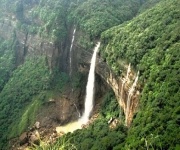
Mawsmai Cave is the most accessible choice for visitors who want a genuine cave experience near Sohra. It is close to the main tourist circuit and is usually included alongside Nohkalikai Falls, Seven Sisters Falls viewpoints and other local attractions. Its entrance is easy to find, and the cave is known for a relatively short route through impressive limestone chambers.
The passage narrows in places, so visitors should expect to bend, sidestep and move carefully. This is part of the appeal, but it may feel uncomfortable for anyone with significant claustrophobia, limited mobility or knee problems. The route is generally manageable for healthy adults and older children when conditions are dry and the group takes its time.
Allow roughly 30 to 60 minutes for the cave itself, depending on crowd levels and how often you stop for photographs. Guides and local staff can explain the route and point out natural shapes in the rock. Photography is enjoyable near the entrance and in wider chambers, but a phone can be difficult to operate in darker, wetter sections, so protect it from drops and moisture.
Mawsmai is particularly convenient for Australian visitors on a first Meghalaya trip. If you have spent the morning travelling from a resort or driving through the hills, it provides a memorable activity without demanding an entire day underground. Think of it as a scenic walk with a cave section, rather than a serious caving expedition.
Arwah Cave For A More Natural Experience
Arwah Cave, often called Arwah Lumshynna, is a good next step for travellers wanting something less developed than Mawsmai. It lies in a forested area near the Sohra tourist belt and is reached by a walk through greenery before the cave entrance. The surroundings feel quieter and more secluded, with fewer obvious visitor facilities along the trail.
Inside, the cave is known for fossils, limestone textures and narrow passages. The route is not a polished walkway, and visitors may need to step over rocks, crouch beneath low sections or manage damp ground. A local guide is strongly recommended because the cave layout is less intuitive than that of Mawsmai, and conditions can vary after rain.
The approach walk is part of the experience, so allow at least an hour or two for the complete visit rather than scheduling it like a quick roadside attraction. Wear shoes that can handle mud, and bring a light rain jacket even when the weather looks settled. Sohra’s showers can arrive quickly, and wet clothing becomes uncomfortable when combined with cave humidity.
For an Australian traveller used to bushwalking around the Blue Mountains, the Dandenong Ranges or the wet tropics near Cairns, Arwah may feel familiar in spirit but different underfoot. The vegetation is lush, the atmosphere is cooler in many sections and the trail can become slick. A steady pace is more useful than trying to keep up with a fast local group.
Caves Better Suited To Experienced Visitors
Krem Mawmluh is one of the notable cave systems associated with the Cherrapunji region, but it should not be treated as an ordinary sightseeing stop. Underground water, slippery rock, darkness and more demanding passages can make it unsuitable for casual visitors. Access arrangements and conditions may also change, so it is best approached only with an experienced local operator and appropriate equipment.
Other caves across the Khasi Hills may be more remote or technically challenging. Some require long approaches, stream crossings, crawling or specialist knowledge of changing underground conditions. Their presence on a map does not mean they are ready for independent tourist access. A cave that looks close to Sohra by road may still take much longer to reach because of winding hill routes and footpaths.
For a first visit, it is sensible to choose Mawsmai or Arwah and leave serious exploration to trained caving groups. Never enter an unmarked cave alone, particularly during the wet season. A local guide can assess rainfall, water levels and the condition of the entrance far more effectively than a visitor relying on an online pin.
This approach also supports the local economy. Guides, drivers and community-run attractions contribute practical knowledge that cannot be replaced by a quick internet search. Booking through a reputable Meghalaya travel provider can help coordinate cave visits with weather, road conditions and nearby attractions rather than forcing every activity into a rigid timetable.
Planning The Journey From Australia
Travellers arriving from Australia will usually need to connect through a major Asian hub before reaching India, then continue to Guwahati in Assam. From Guwahati, the road journey to Sohra takes several hours, depending on traffic, weather and stops. Shillong is another useful base, although the final drive to Sohra still needs to be included in the itinerary.
For many Australian visitors, the most practical arrangement is a multi-day package with transport, accommodation and sightseeing organised together. A longer stay allows time for caves, waterfalls and root bridges without making every day a race. The six-night Meghalaya package can be useful for travellers who want Sohra included within a broader regional journey.
Australian passport holders should check the current Indian e-Visa rules, passport validity requirements and entry conditions before booking flights. Requirements can change, and details may depend on nationality, travel purpose and the intended airport of entry. Carry digital and printed copies of key documents, including accommodation details, travel insurance and emergency contacts.
Timing is important for the Australian market. Visitors travelling during the December-January break or around Easter may find higher demand and less flexible airfares, while school-holiday planning often rewards early booking. If you are travelling in the wet season, build in extra road time and avoid scheduling a cave, flight and long transfer too tightly on the same day.
What To Bring For A Comfortable Visit
Pack lightweight clothes that dry reasonably quickly, a compact waterproof layer and a small daypack. A head torch or phone torch with spare power can be helpful, particularly at Arwah or on less developed routes. Use a waterproof pouch for your passport, cash and phone, and keep electronics away from cave walls and wet pockets.
A reusable water bottle is practical, while snacks should be kept sealed and taken out with you. Do not leave wrappers, plastic or food inside a cave. Respect local instructions about photography, entry times and footwear, and avoid loud music or shouting, which can disturb wildlife and other visitors.
A walking pole may help on wet approaches, although it can be awkward inside narrow passages. Insect repellent is useful for forest trails, and a small first-aid kit can cover minor scrapes. If you wear glasses, secure them well before entering a low passage; if you use a camera, a wrist strap is a sensible precaution.
The following choices keep a first cave day enjoyable and realistic:
- Choose Mawsmai Cave for the simplest introduction to underground Meghalaya.
- Choose Arwah Cave if you enjoy forest walks and uneven natural trails.
- Visit with a local guide, especially after rain or when exploring beyond the main tourist route.
- Wear closed, grippy shoes and carry a light waterproof layer.
- Allow spare time for traffic, showers and slippery approaches.
- Leave advanced caves such as Krem Mawmluh to experienced groups with suitable equipment.
Making The Most Of A Sohra Cave Day
A well-planned day can combine one cave with nearby surface attractions rather than packing several underground sites together. Mawsmai works neatly with Nohkalikai Falls and viewpoints around Sohra, while Arwah can be paired with a slower forest-focused itinerary. This gives you time to appreciate the landscape instead of measuring the day by how many places you can tick off.
Start early when possible. Morning travel often means cooler temperatures, better light for viewpoints and a greater chance of avoiding the busiest periods. Local weather can still change quickly, so flexibility matters more than a strict timetable. If rain becomes heavy, your driver or guide may recommend changing the order of activities.
Cave visits are also a chance to understand the geology and culture of Meghalaya. Limestone has shaped the region’s dramatic escarpments, waterfalls and underground systems, while Khasi communities have developed deep knowledge of the surrounding landscape. Listen to local explanations and treat each site as a living natural environment rather than a photo backdrop.
When you are ready to organise a Sohra holiday, choose an itinerary that leaves room for weather, road conditions and the pace of your group. Contact Cherrapunjee.net to discuss accommodation, local transport and a cave-friendly schedule that suits your travel dates, fitness level and interests.