





Wellness And Yoga Retreats Near Cherrapunjee
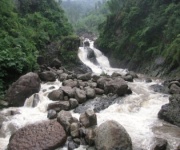
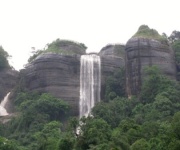
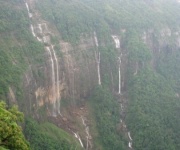
Cherrapunjee, also known as Sohra or Cherrapunji, offers a remarkable setting for a restorative holiday. Mist-covered hills, dense rainforest, waterfalls, limestone caves, and Khasi villages create a natural environment where a slower pace feels effortless. Instead of treating wellness as a luxury confined to a spa, visitors can experience it through quiet walks, mindful breathing, fresh local food, and time spent outdoors.
The area has fewer permanent, highly structured yoga resorts than India’s major wellness destinations. Its appeal lies in flexible retreats: peaceful resort stays, homestays with private practice time, guided nature experiences, and customized yoga holidays arranged around the weather and landscape. The wider Meghalaya circuit also makes it possible to combine Sohra with Shillong, Mawlynnong, or a longer exploration of the Khasi Hills.
A successful retreat near Cherrapunjee depends on matching the experience to personal needs. Some travelers want early-morning meditation and restorative yoga, while others prefer gentle adventure, digital detox, forest bathing, and comfortable accommodation. Planning around rainfall, transport, walking ability, and the location of each activity helps turn a sightseeing trip into a genuinely nourishing escape.
Why Sohra Suits A Restorative Holiday
Sohra’s climate and landscape naturally encourage reflection. Clouds frequently move across the plateau, rain feeds dramatic cascades, and viewpoints open toward deep green valleys. Even a short session of pranayama on a quiet veranda can feel different here because the surroundings reduce visual and urban distractions.
The region also supports a wellness style based on movement rather than intensity. Walking to waterfalls, exploring caves, crossing bridges, and visiting village viewpoints provide gentle physical activity throughout the day. Travelers who prefer restorative yoga can balance these outings with stretching, breathwork, journaling, or meditation at their accommodation.
Cultural awareness is an important part of the experience. Sohra is part of the Khasi Hills, and local customs, village life, sacred groves, and traditional food deserve respectful attention. A retreat becomes richer when guests use local guides, seek permission before photographing people or private spaces, and choose activities that benefit nearby communities.
Retreat Styles Available In The Region
A resort-based yoga break is the most convenient option for visitors who value privacy and comfort. Depending on the property, a stay may include open-air sitting areas, scenic rooms, wellness treatments, vegetarian meals, or space for independent practice. Guests should confirm whether yoga instruction is actually available, since many properties promote tranquillity without operating a regular yoga program.
A customized private retreat works well for couples, families, or small groups. An instructor can arrange sunrise mobility, evening relaxation, meditation, and simple breathwork around a sightseeing itinerary. This format allows sessions to be adapted for beginners, older travelers, or people recovering from a sedentary lifestyle. It also avoids the fixed schedule often associated with large group retreats.
A nature and mindfulness retreat is another strong choice. The program may include a slow walk near a waterfall, silent observation at a viewpoint, mindful tea breaks, and guided relaxation after a day outdoors. These experiences are especially suitable for travelers who do not want an intensive spiritual program but still want rest, fresh air, and a break from constant screen use.
Those seeking a more formal yoga center may need to look beyond Sohra itself. Shillong and other parts of Meghalaya can offer additional teachers, studios, wellness practitioners, and accommodation choices. A split itinerary—several days in a city-based yoga setting followed by a quiet stay in Cherrapunjee—can combine structured instruction with scenic recovery time.
Places To Base Your Wellness Stay
Staying in Sohra keeps the focus on waterfalls, caves, valleys, and sunrise or sunset viewpoints. A resort or homestay outside the busiest central areas may provide better quiet, particularly in the early morning and evening. Before booking, check road access, hot-water availability, heating, mobile connectivity, meal timings, and whether the property has a dry indoor space for practice during heavy rain.
The villages around Sohra can suit travelers looking for a more intimate and locally connected stay. Homestays may offer home-cooked Khasi meals and useful insight into nearby walks. Standards vary, so it is sensible to verify bathrooms, bedding, transport arrangements, and the exact distance from attractions rather than relying only on broad location descriptions.
Mawlynnong can be added for a village-centered extension, while Shillong is practical for the beginning or end of a Meghalaya journey. These places are not substitutes for staying in Sohra, but they broaden the range of accommodation and wellness providers available. Travel times can lengthen considerably during rain, so moving between bases every day is rarely relaxing.
| Retreat setting | Best suited to | Wellness experience | Planning point |
|---|---|---|---|
| Quiet Sohra resort | Couples and solo travelers | Private practice, rest, scenic downtime | Confirm yoga instruction and indoor facilities |
| Local homestay | Cultural travelers and small groups | Home cooking, village walks, simple routines | Check amenities and transport access |
| Private guided retreat | Beginners, families, and mixed abilities | Flexible yoga, meditation, and sightseeing | Arrange a qualified instructor in advance |
| Shillong wellness stay | Guests wanting structured classes | Studios, teachers, and broader services | Add road time before reaching Sohra |
| Nature-based circuit | Active travelers | Mindful walks, waterfalls, and outdoor recovery | Build in buffers for weather and trail conditions |
What A Day Of Practice Can Look Like
A balanced day might begin with 30 to 45 minutes of gentle yoga before breakfast. Mobility work, sun salutations at an easy pace, and breathing exercises can prepare the body for walking without creating fatigue. If the morning is wet or misty, an indoor session beside a window can be just as effective as outdoor practice.
After breakfast, choose one main excursion rather than trying to cover every attraction. A waterfall trail, cave visit, or viewpoint can become a mindful movement session when approached slowly. Pause to notice the sound of water, the texture of the forest, and the rhythm of breathing. Proper footwear matters because paths may be slippery, uneven, or muddy.
The afternoon is best kept unhurried. A nap, reading period, warm drink, or short restorative sequence can help the body recover. Travelers who visit during the monsoon should expect plans to change. Rain is part of the landscape, and allowing flexible time often produces a calmer experience than attempting to maintain a rigid itinerary.
An evening practice can focus on longer stretches, yoga nidra, meditation, or simple breath awareness. Screen-free time after dinner encourages deeper rest, although visitors should carry offline maps and keep essential contact details available. The goal is a rhythm that leaves enough space for silence rather than filling every hour with activities.
Choosing The Right Retreat Experience
Start by deciding whether the priority is instruction, solitude, nature, or comfort. Someone learning yoga for the first time may benefit from a teacher who offers alignment guidance and modifications. An experienced practitioner may prefer a quiet room, a flat practice area, and freedom to follow a personal routine.
Ask specific questions before paying a deposit. Find out whether sessions are private or shared, what style of yoga is taught, whether mats and props are supplied, and how cancellations work during severe weather. Confirm the instructor’s training and experience, especially if the program includes therapeutic claims, advanced postures, massage, or fasting.
Accommodation quality should be judged against the climate. Reliable hot water, clean dry bedding, good ventilation, and a sheltered practice space can matter more than decorative features. In a wet hill destination, guests should also ask about backup power, indoor dining, laundry, and transport during road disruptions.
Food is another part of a wellness holiday. Fresh vegetarian meals, seasonal produce, rice, lentils, greens, and local preparations can provide satisfying nourishment without imposing a restrictive diet. Inform hosts about allergies and dietary requirements well before arrival. Avoid programs that make strong medical promises or encourage extreme detox routines without appropriate professional oversight.
Building A Calm Meghalaya Itinerary
A two- or three-night stay can work for visitors who want a brief reset. Allow the first day for arrival, settling in, and a short practice rather than scheduling a demanding trek immediately. The next day can combine morning yoga with one major natural attraction and an evening relaxation session.
A longer four- to seven-night trip gives the body more time to settle into a consistent routine. It can include a rest day between walking excursions, a village visit, a cultural experience, and a few unplanned hours. Travelers can review the wider range of Meghalaya travel resources when arranging attractions, accommodation information, and practical details for a multi-day route.
Transport planning deserves particular attention. Cherrapunjee is connected by road, but journeys can be slower in monsoon conditions and after heavy rainfall. A private vehicle or pre-arranged local driver usually provides more flexibility than relying on infrequent public transport. Keep arrival and departure days light, especially when connecting with flights or trains through Guwahati.
Visitors from outside India should also verify current entry, visa, and identification requirements before travel. Weather conditions, attraction access, and local regulations can change, so checking reliable updates shortly before departure is sensible. The Cherrapunjee travel guide can help with destination orientation, sightseeing ideas, package planning, and essential preparation.
Practical Essentials For A Healthier Stay
Pack layers rather than relying on a single heavy jacket. Temperatures can feel cool in mist and wind, while walking can become warm and humid. A waterproof jacket, quick-drying clothing, comfortable walking shoes with good grip, a small daypack, reusable water bottle, personal medicines, sunscreen, insect repellent, and a headlamp are useful additions.
Yoga equipment can remain simple. A lightweight travel mat, small towel, and comfortable clothing are usually enough for personal practice. If a retreat promises props, verify what is included. Blocks, straps, blankets, or bolsters may not be available in smaller homestays, so travelers with specific physical needs should bring compact alternatives.
Safety should guide the pace of outdoor activities. Stay on established paths, follow local instructions near cliffs and waterfalls, and avoid entering caves without a qualified guide. Do not swim in unfamiliar pools, particularly after rain, when water levels and currents can change rapidly. Anyone with a medical condition should consult a healthcare professional before beginning strenuous walks or intensive yoga.
- Choose a retreat with a qualified teacher and a schedule suited to your experience.
- Reserve accommodation with reliable hot water, indoor space, and weather-appropriate access.
- Leave flexible time for rain, road delays, rest, and unplanned quiet.
- Combine yoga with gentle walking, nourishing meals, and adequate sleep.
- Respect Khasi communities, sacred places, local guides, and environmental rules.
A wellness journey near Cherrapunjee does not need an elaborate program to be meaningful. A few days of mindful practice, rainforest air, nourishing food, and slower movement can create a lasting reset. Review the available Cherrapunjee packages, select a base that matches your preferred pace, and arrange the right combination of yoga, nature, and local experiences before setting out for the Khasi Hills.