





A Khasi Bamboo Hut Stay in Cherrapunjee
A stay in a Khasi bamboo hut offers a slower, more intimate way to experience Cherrapunjee, also known as Sohra or Cherrapunji. Rather than treating the destination as a sequence of viewpoints and waterfalls, you become part of its highland rhythm: mist gathers around the roof, rain taps against woven walls, and the surrounding hills change colour throughout the day.
These traditional-style cottages combine local materials and regional design with the practical comforts travellers need. Some are simple and rustic, while others include private bathrooms, comfortable beds, electricity, hot water, verandas, and views of Meghalaya’s dramatic valleys. The exact facilities depend on the property, so checking details before booking is important.
The appeal goes beyond unusual architecture. A bamboo cottage can create a closer connection with Khasi landscapes, village life, home-cooked food, and the natural sounds of Sohra. It is especially rewarding for travellers who want their accommodation to feel like part of the journey rather than a private room used only for sleeping.
The Character Of A Khasi Bamboo Cottage
Bamboo has long been an important material across Northeast India because it is strong, lightweight, flexible, and widely available. In Khasi homes and community spaces, it may appear in walls, screens, furniture, fencing, bridges, and practical household objects. Modern bamboo huts often reinterpret these traditions for visitors rather than reproducing an exact historic Khasi dwelling.
The atmosphere is usually warm and tactile. Woven panels soften the light, timber details add a natural scent, and raised or carefully ventilated structures can feel comfortable in a wet climate. A small porch may become the best part of the room, giving you a place to watch clouds drift over the plateau with a cup of tea.
Privacy and facilities differ from one stay to another. Some huts are independent cottages spaced around a garden, while others form a small cluster with shared dining areas. Ask whether the bathroom is attached, whether heating is available, and how the property manages heavy rain, mobile reception, and power cuts before confirming your reservation.
Living With The Monsoon Landscape
Sohra is famous for extraordinary rainfall, and the weather is a central part of the accommodation experience. Rain can arrive suddenly, continue for hours, and leave the landscape sparkling under a brief break in the clouds. Inside a bamboo hut, the sound is close and immersive, making a wet afternoon feel like an element of the holiday rather than an interruption.
Morning conditions can be very different from evening conditions. Mist may obscure a valley at breakfast and lift enough by midday to reveal layers of forest and rock. At night, the lack of urban noise can make rainfall, insects, and distant village sounds more noticeable. The experience suits travellers who enjoy observation, reading, conversation, photography, and unhurried time.
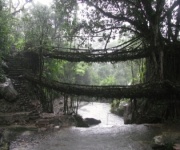
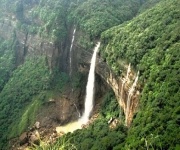
A stay also gives you a useful base for exploring the region’s natural attractions. Waterfalls such as Nohkalikai, Seven Sisters, and Wei Sawdong, along with caves, forest paths, and living root bridges, are best approached with sensible timing. Keep a rain jacket, waterproof footwear, and a dry bag ready even when the forecast appears favourable.
Comfort Compared With Other Stays
The right accommodation depends on how much rustic character you want and which conveniences matter most. A bamboo hut may provide a stronger sense of place than a standard hotel, but a conventional resort could be better for travellers who require extensive services, reliable work facilities, or a larger range of room categories.
The comparison below describes common patterns rather than fixed rules. Properties in Cherrapunjee vary considerably, so the listing, photographs, guest reviews, and direct booking information should be checked carefully.
| Stay style | Atmosphere | Typical comforts | Best suited to |
|---|---|---|---|
| Khasi bamboo hut | Natural, intimate, close to the landscape | Bed, basic furnishings, private or shared bathroom, porch, sometimes heating | Couples, photographers, slow travellers |
| Mountain resort | Scenic and structured | Restaurant, room service, gardens, hot water, organised facilities | Families and guests seeking convenience |
| Standard hotel | Practical and familiar | Private room, reception, attached bathroom, predictable services | Short visits and sightseeing-focused trips |
| Village homestay | Personal and community-oriented | Home-cooked meals, local interaction, simple rooms | Cultural immersion and flexible travellers |
The hut experience is at its best when expectations are realistic. This is not always a luxury lodge hidden inside the forest. A beautifully designed cottage may still have limited storage, uneven internet, small bathrooms, or a shared dining arrangement. Those details are part of the decision, not reasons to assume every property is unsuitable.
For a first visit, a multi-day itinerary allows time to appreciate both the accommodation and the wider district. A four-night Cherrapunji package can provide a useful framework for combining scenic stops, waterfalls, caves, and local sightseeing without changing hotels every night.
Food, Hospitality, And Khasi Connection
Many bamboo hut stays include breakfast, and some arrange lunch or dinner with advance notice. Meals may feature rice, seasonal vegetables, local herbs, dal, eggs, chicken, or regional pork preparations, depending on the property and the preferences of the kitchen. Travellers with allergies or dietary restrictions should communicate them early because remote accommodation may have fewer alternatives than a city hotel.
The social experience can be just as memorable as the room. Hosts may explain local ingredients, suggest walking routes, recommend quiet viewpoints, or share practical advice about weather and road conditions. A respectful conversation about Khasi customs, village life, and the surrounding environment is more meaningful than treating the hut as a decorative photo setting.
Guests should follow the property’s guidelines about water use, waste, fires, noise, and access to nearby land. Avoid entering homes, farms, or sacred areas without permission. Buying local snacks or crafts, eating meals prepared on site, and using local guides where appropriate can help ensure that tourism contributes to the community around the accommodation.
Choosing The Right Location
Location affects the mood and convenience of a bamboo hut stay. A property close to the main Cherrapunjee area may reduce driving time to restaurants, shops, and popular attractions. A more secluded cottage may offer greater quiet and darker skies but require transport for every meal and excursion.
Look at the approach road as well as the map pin. During periods of heavy rain, a short-looking route can take longer because of slippery surfaces, traffic, or poor visibility. Ask the host whether ordinary cars can reach the entrance, whether parking is available, and how far the hut is from the main road.
Views can also be seasonal. A valley-facing veranda may be completely misty at sunrise and wonderfully clear an hour later. The hills around Sohra are often at their greenest during and after the rainy season, while drier months may offer more dependable visibility. Neither period guarantees a particular view, so the hut should appeal through its design and setting as well as its panorama.
Making The Most Of The Stay
Plan some time without a packed sightseeing schedule. A quiet morning on the veranda, a short walk near the property, or an early night after a day in the rain can reveal why this accommodation feels different from a conventional city hotel. Bring a book, a camera, and clothing that remains comfortable when the air is cool and damp.
When conditions permit, pair the stay with viewpoints that show the scale of the plateau. The Thangkharang viewpoint guide is useful for understanding one scenic excursion near Sohra and can help you judge how to fit a viewpoint visit into a wider day of travel.
Use early hours for popular attractions when possible, especially during busy seasons. Keep footwear suitable for mud and uneven paths, carry drinking water, and protect phones and cameras from sudden showers. If you visit caves or waterfalls, follow local guidance and avoid risky routes when water levels rise.
Practical Details To Pack
A thoughtful packing list makes the hut more comfortable without adding unnecessary weight. Warm layers are useful even in a place associated with rain, particularly in the evening or during misty weather. Quick-drying trousers, socks, and a light fleece can be more practical than heavy cotton clothing.
- Pack a waterproof jacket, compact umbrella, and shoes with reliable grip.
- Carry a dry bag or sealed pouch for phones, documents, medication, and camera equipment.
- Bring personal toiletries, essential medicines, insect repellent, and a small torch.
- Keep some cash available for rural purchases, local transport, and places with limited digital payment access.
- Add a reusable water bottle and a power bank for days spent away from the property.
Confirm check-in arrangements before travelling, especially if your arrival will be after dark. Save the accommodation’s phone number, download essential directions, and tell the host about your expected arrival time. In remote areas, these small preparations can prevent avoidable delays.
A Khasi bamboo hut is best understood as an experience shaped by material, weather, hospitality, and landscape. It offers a gentle contrast to rushed tourism: rain becomes part of the soundscape, a simple meal becomes a local connection, and a veranda can be as rewarding as a famous viewpoint.
Choose a property whose level of comfort matches your expectations, allow enough nights to explore Sohra without hurry, and book your Cherrapunjee holiday with a stay that reflects the character of Meghalaya. Contact India Beacons Sojourn through Cherrapunjee.net to discuss available packages, accommodation details, and a bamboo hut experience suited to your travel plans.