




What to expect from a 3-night adventure in Sohra
A 3-night adventure package in Cherrapunjee, also known as Sohra or Cherrapunji, gives first-time visitors enough time to reach the area’s signature sights without spending every daylight hour in a vehicle. A well-designed itinerary balances guided walks, short road transfers and free time at the resort, with the exact balance shifting according to the season, road conditions and group pace.
Expect a mix of powerful waterfalls, limestone caves, forested trails and living root bridges, all within Meghalaya’s Khasi Hills. The landscape changes quickly with rain and cloud, so the same viewpoint can look dramatically different in the morning and afternoon. Even a compact itinerary rewards travellers who leave space for weather delays and a quiet tea break.
Most three-night itineraries use a private vehicle for sightseeing rather than relying on public buses between scattered attractions. Guides often explain local ecology, geology and cultural traditions along the way, while longer stays at a hotel or resort make the trip more comfortable than moving luggage every night. This format suits couples, families and small groups who want variety without a demanding week-long schedule.
For Australians, the easiest planning route usually starts from Sydney, Melbourne or Brisbane and connects through an Asian or Middle Eastern gateway. Some travellers fly into Guwahati and continue to Sohra by road, avoiding the need for a separate domestic flight. Current schedules and transit requirements should always be checked before tickets are bought, especially if the journey includes a stop in Hong Kong.
How the itinerary unfolds
Arrival day is usually a light one. After reaching the hotel or resort, travellers can explore a nearby waterfall, take a short walk around the property or settle in before dinner. Transfers from Guwahati take roughly two and a half to three hours, while Shillong is about 50 kilometres from Sohra and usually requires one and a half to two hours on the road. Travel times can increase during monsoon rain, when landslides and standing water occasionally delay vehicles.
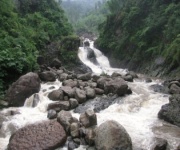
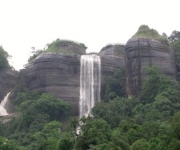
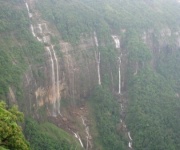
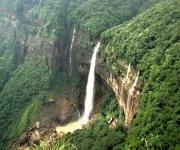
The second day carries most of the sightseeing. A common combination includes the Seven Sisters waterfall, the Nohkalikai viewpoint and a limestone cave such as Arwah Cave, subject to access conditions. These stops are close enough for a relaxed day, although the walk between viewpoints involves uneven ground. A guide can explain how the monsoon shapes the falls and why the caves contain distinctive formations that attract visitors from across India.
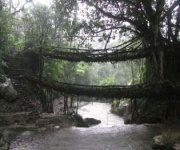
The third day often provides a change of scenery. An excursion may combine a sacred forest, a community area and a living root bridge, followed by an afternoon departure. Some bridges around Nongriat or Tyrna require longer drives, so it is important to confirm which one is included rather than assuming every three-night package visits the same place. At some sites, a small community fee or guide contribution is collected separately from the package price.
Waterfalls, caves and mountain views
The Seven Sisters is a multi-tiered cascade reached through a relatively accessible trail, making it one of the easiest major waterfalls to include. Nohkalikai, with its deep gorge and broad rock basin, offers a different perspective. Dympep provides a wide panorama over the Khasi Hills and, on clear days, the plains beyond. Cloud often hides the distant landscape, so guides may recommend visiting viewpoints at different points during the day.
Caves offer relief from the open viewpoints, but their availability requires confirmation. Arwah and Mawmluh are commonly included, while more demanding destinations such as Krem Liat Prah may require additional travel and a more demanding walk. Cave entry can depend on local permissions, conservation decisions and water levels. Access may change at short notice, which is why a flexible alternative is valuable in a wet-weather itinerary.
May to September generally brings the heaviest rainfall, with dramatic cascades, wet trails and occasional closures. February to April and October to November can offer more comfortable walking conditions, although showers remain possible. Leech repellent, grippy footwear and a dry layer are useful in the forest. Waterfall viewpoints are for observation, and swimming can be dangerous where currents are strong.
Forests, bridges and local stories
The Mawphlang sacred forest offers a completely different landscape from the exposed waterfalls. Its old trees, streams and moss-covered paths reward slow walking, while a local guide provides cultural context that a map cannot. Reading about the Mawphlang legends before the visit adds insight into the forest’s distinctive stories and the reasons certain places are treated with respect.
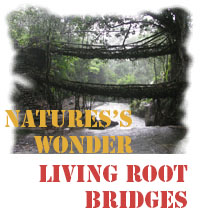
Living root bridges connect communities across streams and steep terrain. The bridges are strengthened by living roots that continue growing over time, and local guides often explain how the structures are maintained. Community entry arrangements vary, and visiting responsibly means following local instructions, accepting any stated contribution and avoiding unnecessary handling of the roots.
| Experience | Typical time spent | Main appeal | Conditions and access |
|---|---|---|---|
| Seven Sisters and nearby falls | 1–2 hours | Tiered cascades and rainforest scenery | Paths can become slippery, and access may close after intense rain |
| Limestone caves | 45–90 minutes | Large chambers, narrow passages and local geology | Confirm permits, opening status and guide requirements |
| Mawphlang sacred forest | 1–2 hours | Old-growth trees, streams and cultural traditions | A local guide adds context; closed shoes and light rain cover help |
| Living root bridge | Half-day excursion | A distinctive walk supported by living roots | Allow for longer drives and separate community contributions |
These experiences work best when they are spread across separate days. Combining a cave, a long forest walk and a distant bridge in one itinerary can leave little time to appreciate any of them. Clearances, viewing points and walking distances should also be checked with the operator, since they vary by location and season.
Practical preparation for Australian travellers
A compact trip rewards simple preparation, but a little flexibility makes a major difference when rain changes the order of the day.
Before departure
- Carry your passport, visa or e-visa approval, return ticket and travel insurance documents, keeping both digital and printed copies where practical.
- Check whether any caves, forests or community sites on the route require additional permission, and confirm current restrictions with official Indian sources.
- Pack a waterproof phone pouch, power bank and universal power adaptor, allowing for airline rules on spare lithium batteries.
- Bring any prescribed medicines, basic first-aid supplies and sensible mosquito protection, with advice from a travel-health professional where appropriate.
On the trail
- Keep small Indian rupee notes for guides, local transport, entry contributions, tea stalls and market purchases.
- Use a dry bag for your phone, wallet and passport copies, while carrying only the essentials in a smaller day pack.
- Wear quick-drying layers, modest socks and shoes with good grip, and add a light fleece for cool caves and misty mornings.
- Bring a refillable bottle and a dependable purification method, as drinking water should be treated according to local health advice.
- Pack lightweight long trousers and a scarf or wrap for forest and village visits, and ask before photographing local people.
A wet-weather garment is more useful than a large umbrella on exposed walks, particularly near waterfalls where wind can turn rain into a fine mist. Check the forecast and road reports shortly before each outing, but let the guide adjust the sequence when conditions require it.
Costs, comforts and everyday realities
Flights from Sydney, Melbourne or Brisbane often connect through Singapore, Kuala Lumpur, Dubai or another gateway before continuing to India. Guwahati is the usual arrival point for a road transfer to Sohra, while some itineraries continue directly to Shillong. A stop in Hong Kong can add another time-zone shift, making this practical jet lag guide useful for protecting sleep and alertness during a long journey. Transit entry rules should be checked for the specific passport and itinerary.
At a Meghalaya local market, look for rice, bamboo shoots, chillies, leafy greens and seasonal fruit. The produce focus will feel familiar to shoppers who browse Melbourne’s Queen Victoria Market or Sydney’s growers’ markets, though stall sizes, pricing and payment habits differ. Ask the price before buying, carry small notes and allow time for a chat, since markets are also a glimpse of everyday social life in the region.
Australian shoppers are usually accustomed to GST-inclusive retail prices, whereas Indian hotel and restaurant quotes may be shown before taxes and service charges. Ask for the final amount when booking a vehicle or restaurant meal. Tipping customs also differ: it is modest or optional in many Australian situations but more visible in India, so keep small notes for guides, drivers and staff who have provided good service.
Cash remains useful away from established businesses, even though many hotels and larger restaurants accept cards. Mobile coverage is generally workable in the main towns and popular visitor areas but can be intermittent on rural routes. Ask the operator to download offline maps, keep accommodation details accessible and carry a spare charger so a network problem does not disrupt the day’s arrangements.
Ready to book your Sohra adventure
A short break in Meghalaya can combine scenery, culture and gentle adventure without demanding a long holiday. The best package leaves enough room for walks, unplanned viewpoints and a warm cup of tea, while still covering the destinations that justify the journey from Shillong or Guwahati.
Ask for a day-by-day quotation that states the resort level, vehicle type, guide arrangements, entry charges, meals and any wet-weather alternative. Share mobility needs, dietary requirements and travelling-party details when booking. Request current availability from India Beacons Sojourn through Sohra booking enquiries, and choose dates that balance the monsoon season with your Australian holiday calendar.