




Cherrapunjee Winter Travel: Altitude, Weather and What to Expect
Cherrapunjee, also known as Sohra or Cherrapunji, sits on a high plateau in Meghalaya in northeast India. Its altitude, dramatic escarpments and famous monsoon rainfall shape the travel experience, but winter offers a different side of the region: clearer views, cooler walks, drier roads and comfortable sightseeing conditions.
For travellers from Australia, the season can feel pleasantly fresh rather than severely cold. A visitor leaving a hot Brisbane summer, a humid Darwin afternoon or Melbourne’s changeable weather may find Sohra’s winter air crisp, especially after sunset. Understanding the elevation and daily weather pattern helps you choose the right clothing, transport and tour pace.
Elevation and the Mountain Setting
Cherrapunjee is generally around 1,300 to 1,500 metres above sea level, with the town and nearby attractions spread across a broad, uneven plateau. The height is significant enough to create cooler conditions than in the lowlands, although it is not comparable with the extreme elevations of the Himalayas. Most healthy visitors do not experience serious altitude problems here.
The landscape changes quickly. Roads pass through open grasslands, forest edges, steep valleys and viewpoints overlooking Bangladesh’s plains. A short drive can take you from a breezy plateau to a warm, sheltered village or a damp cave entrance. This variety explains why the temperature shown in a forecast may not match how a particular attraction feels.
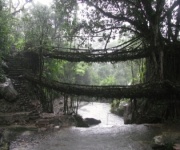
Altitude is most noticeable during walking and sightseeing rather than through a lack of oxygen. Trails to waterfalls and living root bridges can include many steps, uneven ground and long climbs. Visitors used to a flat coastal walk around St Kilda, Bondi or the Gold Coast should allow extra time and take regular pauses.
Winter Temperatures in Sohra
Winter usually refers to roughly November through February. Daytime temperatures often sit in the comfortable mid-teens to low twenties Celsius, while nights and early mornings can fall to around 5–12°C depending on the month, cloud cover and wind. December and January commonly feel coolest, particularly before sunrise and after sunset.
The air can feel colder than the number suggests when mist moves across the plateau. An open viewpoint with wind exposure may require a jumper, while a sunny section of road can feel warm enough for a light shirt. Indoor rooms may also feel chilly because many local accommodations are designed for heavy rain and mild conditions rather than Australian-style central heating.
This is a useful contrast for Australian travellers planning around the school holiday period. December is busy in many popular Indian destinations, and families travelling during the Australian summer break should expect demand for rooms and vehicles. The season is comfortable for exploring, but accommodation close to the main viewpoints can fill quickly.
Rain, Fog and Winter Daylight
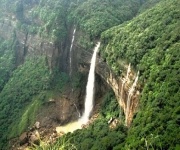
Sohra is famous for extraordinary monsoon rainfall, yet winter is usually much drier than June to September. The reduced rain can make roads, viewpoints and walking trails easier to manage. Waterfalls may still be impressive, especially after earlier rainfall, though some streams and cascades are less powerful than during the wet season.
Dry weather does not mean every day is clear. Morning fog and low cloud can cover viewpoints, while weather may change between nearby attractions. The mist often lifts later in the morning, so an early start does not guarantee immediate panoramic views. Build flexibility into the itinerary instead of planning every viewpoint around a single perfect photograph.
Winter days are shorter than summer days, with useful daylight generally from around 6 am until 5 pm or a little later. Start longer excursions early, particularly if you want to visit a living root bridge, explore caves and reach a waterfall on the same day. Allow more time than a map suggests because local roads are winding and sightseeing stops are frequent.
How Altitude Affects Walks and Activities
The elevation itself is manageable, but the terrain can be demanding. A visit to a living root bridge may involve hundreds of steps, forest paths, damp rocks and steep sections. The return climb is often harder than the descent, so a moderate level of fitness and sensible pacing matter more than speed.
Caves require a different approach. Entrances and passages can be slippery, cool and dark, even during a bright winter afternoon. Wear shoes with a firm grip and listen to local guides about water levels and safe routes. Some cave systems are better suited to an easy visit, while others require more time and confidence on uneven ground.
Waterfalls and valley viewpoints also involve exposure to wind and occasional mist. Carry water even in cool weather, because walking at altitude can reduce the feeling of thirst. Australians accustomed to carrying a reusable bottle on bushwalks in the Blue Mountains or Dandenong Ranges will find the same habit useful here, along with small snacks for longer outings.
What to Pack for a Cherrapunjee Winter
Use layers rather than one heavy coat. A breathable base layer, fleece or warm jumper, and light waterproof shell can cover most winter conditions. Add a compact beanie or scarf for early mornings and a warmer outer layer if you plan to stay outdoors after dark. Sun protection remains important because cooler air does not prevent strong daytime exposure.
Good footwear is one of the most valuable items to bring. Choose closed walking shoes or light hiking boots with reliable grip, not smooth trainers. Pack spare socks, quick-drying trousers and a small towel for mist, wet grass or an unexpected shower. A headlamp can help around accommodation and on late returns when paths and streets are not brightly lit.
Australian travellers should also bring suitable power and health essentials. India uses 230-volt electricity, but plug shapes differ from the common Australian Type I design, so a universal adaptor is practical. Carry prescribed medicines, basic first-aid supplies and any preferred toiletries, as smaller towns may have limited choice. Travel insurance should cover walking activities and changes caused by transport disruption.
Planning Transport and Sightseeing
Cherrapunjee is usually reached by road from Shillong, with the journey taking several hours depending on traffic, stops and conditions. Many international visitors fly into Guwahati and continue by road, while some combine Meghalaya with other parts of northeast India. A private vehicle with a local driver is often the most comfortable option for winter sightseeing, especially for families or travellers carrying luggage.
Roads can be narrow and winding, and travel times are not always predictable. A route that looks short on an Australian map may take much longer because of bends, village traffic, construction or photo stops. Avoid packing too many distant attractions into one day. A two- to seven-night package can provide a better rhythm than trying to see Sohra as a rushed overnight excursion.
Plan major walks for the middle of the day, when temperatures are usually most comfortable and fog may have lifted. Keep viewpoints flexible, because visibility can improve or disappear within minutes. Your driver or guide can also advise whether a trail is muddy, crowded or suitable for the weather that day.
Winter is a strong season for combining natural attractions with local culture. Leave time for village visits and markets rather than treating them as quick shopping stops. If you want locally made gifts, textiles or regional food products, this guide to local market souvenirs can help you approach shopping with realistic expectations about selection, bargaining and transport space.
Booking a Comfortable Winter Stay
Accommodation in and around Cherrapunjee ranges from simple guesthouses to resorts and hotels with broader facilities. Before booking, check whether the room has hot water, reliable power backup, heating equipment or extra blankets. These details are more useful than assuming every property provides the same level of winter comfort.
Location also affects the experience. Staying near Sohra’s main attractions can reduce daily driving, while a property farther away may offer greater quiet and wider views. Ask about access roads, dining arrangements and check-in times, especially if your flight or road transfer arrives after dark. Some rural properties have limited nearby restaurants and shops.
A local operator can coordinate vehicles, accommodation and sightseeing in a way that reflects the weather and road conditions. India Beacons Sojourn, which operates Cherrapunjee.net, provides multi-day holiday packages and booking assistance for visitors considering a structured Meghalaya trip.
Practical Winter Choices for Australian Travellers
- Pack a warm mid-layer, a waterproof shell and shoes suitable for steep, wet trails rather than relying on a single jacket.
- Schedule caves, waterfalls and root-bridge walks during daylight, with enough time for climbs and unplanned road delays.
- Book accommodation and private transport early for December and January, especially around Australian school holidays.
- Carry Indian rupees in smaller denominations, while keeping cards and digital payment options available where accepted.
- Allow a recovery period after arrival in Guwahati or Shillong before attempting the longest walking days.
- Check visa requirements, travel insurance conditions and any current local access rules before departure.
Winter weather makes Cherrapunjee easier to explore, but it does not remove the need for preparation. Altitude brings cooler mornings, the plateau creates sudden changes in wind and visibility, and the area’s terrain rewards a slower itinerary. The best plans leave room for weather, conversation and unplanned views rather than measuring the trip only by the number of attractions completed.
For Australians, the season offers a refreshing alternative to a conventional summer escape. You can trade crowded beaches and high-humidity afternoons for misty valleys, forest trails and clear mountain air, while still enjoying manageable daytime temperatures. Choose a package that matches your walking ability and travel style, then contact Cherrapunjee.net to arrange accommodation, local transport and a winter itinerary in Meghalaya.