




Khasi Festivals: Traditions, Celebrations, and Cultural Significance
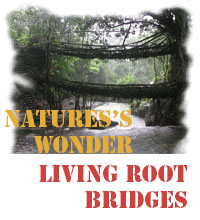
Long before the mist over Cherrapunjee earned it the title of one of the wettest places on earth, the Khasi people had already built a civilisation shaped by forested hills, flowing rivers, and an unshakable bond with the land. Festivals here are not ornamental tourist events; they are the rhythm of community life, marking seasons, harvests, rites of passage, and spiritual renewal. For travellers planning a journey from Australia, understanding these celebrations adds a layer of meaning to the experience of standing beneath a living root bridge or watching the clouds roll across the Sohra plateau.
The Khasi are one of the largest indigenous groups of Meghalaya in northeastern India, with their own language, a matrilineal kinship system, and a calendar that weaves animist beliefs together with Christianity. Their ceremonies blend sacred groves, ancestor veneration, music, and dance, often performed in open clearings or beside rivers. Many of these events are scheduled during the dry months, roughly from November to May, which conveniently aligns with the Australian winter travel season and the school holiday window that many families in Adelaide and Hobart use for international trips.
Travellers from Sydney or Melbourne typically route through Kolkata or Guwahati before catching a connecting flight to Shillong, the state capital, and then a road transfer onward to Cherrapunjee. The journey is long but rewarding, especially when timed with a major Khasi celebration. Visitors from Brisbane and Perth increasingly choose winter departures to escape Australia's heat, and many combine cultural sightseeing with the dramatic landscapes of the Khasi Hills, returning home with stories that go well beyond the standard tourist trail.
The Cultural Heartbeat of Khasi Society
Khasi festivals revolve around three pillars: the relationship between people and nature, the continuity of clan identity through the maternal line, and the remembrance of ancestors who guide the living. The matrilineal structure means property, family names, and certain ritual responsibilities pass from mother to daughter, which shapes how ceremonies are organised and who plays leading roles. In some villages, the youngest daughter inherits the ancestral home, a custom that surprises many Australian visitors accustomed to more conventional inheritance models.
Music and dance are not decorative additions but essential channels of communication with the divine. Drums, bamboo flutes, and the haunting voice of traditional singers create soundscapes that participants describe as a form of prayer. Visitors attending their first ceremony often remark on the intensity of the drumming, which can last for hours without pause, and on the way the crowd falls into a kind of collective trance.
Christianity, introduced by Welsh and Scottish missionaries in the nineteenth century, now coexists with older beliefs. Many Khasi families observe both church holidays and pre-Christian festivals, sometimes scheduling dance performances the day after a Christmas service. This blending gives modern Meghalaya a layered cultural personality that rewards patient observation, particularly for those used to the more secular rhythm of public life in Australian cities.
Shad Suk Mynsiem: Dance of the Joyful Heart
Held each spring in Shillong, the Shad Suk Mynsiem draws Khasi communities from across Meghalaya, including villages around Cherrapunjee. The festival literally means "dance of the joyful heart" and is associated with thanksgiving for a good harvest and prayers for prosperity in the coming year. Thousands gather at the Weiking grounds to watch young men and women perform the choreography that has been passed down through generations.
Men and women wear traditional silk garments: the women in crowns of silver and gold with flowing robes, the men in turbans and embroidered waistcoats. The choreography is precise, with dancers moving in circular formations accompanied by drums and the plaintive notes of a tangmuri, a Khasi wind instrument. Spectators stand around the perimeter of the dance ground, and respectful photography is welcomed, though videographers are usually asked to seek permission first.
Because the timing is fixed to the Khasi calendar in April, Australian visitors need to plan well in advance. Many combine the festival with a broader North East India circuit, booking through operators familiar with regional permits. Travellers accustomed to the strict food labelling laws under the Australia New Zealand Food Standards Code often find the local cuisine an adventure in itself, with smoked pork, fermented soy, and bamboo shoot dishes dominating festival banquets, alongside fresh river fish caught the same morning.
Nongkrem and the Five-Day Thanksgiving
The Nongkrem festival, celebrated at Smit village about fifteen kilometres from Shillong, is one of the most important ceremonies of the Khasi year. It unfolds over five days and includes goat sacrifices, ritual cleansing, and the famous Nongkrem dance, performed by young unmarried women wearing silver headdresses that can weigh several kilograms. The dance is both a prayer and a display of social grace, and the women's footwork is closely watched by elders assessing marriage prospects.
High priests, known as syiem, lead the rites inside a sacred grove called Law Kyntang. The community believes that the success of the harvest and the wellbeing of the village depend on the correct performance of these rituals. Outsiders are usually permitted to observe from a respectful distance, but entering the inner circle is forbidden and considered a serious breach of etiquette. Even photographers with zoom lenses are asked to keep a low profile during the most sacred moments.
A useful tip for Australian travellers: local schools and government offices in Meghalaya often close for the duration of major festivals, which means transport and accommodation fill quickly. Australian carriers like Qantas and Air India operate direct flights between Sydney and Delhi, and Indian domestic airlines complete the final leg. Booking at least three months ahead during festival seasons is advisable, and travel insurance that covers trip changes is worth the modest premium.
Behdiengkhlam and the Laho Dance: Harvest and Community
Behdiengkhlam is the most celebrated harvest festival of the Khasi people and is held each July in the Jaintia Hills east of Cherrapunjee. The name translates roughly as "driving away of the evil spirit of plague," and the central ritual involves men carrying tall, decorated wooden structures called raths through the village before submerging them in a stream. The raths are adorned with offerings of vegetables, fruit, and flowers, and their immersion is believed to cleanse the community of misfortune.
Only men participate in the main procession, while women prepare communal feasts and sing from the sidelines. The festival culminates in a raucous game of football-like sport that doubles as community bonding, followed by dancing and feasting late into the night. Visitors are welcome to watch but should avoid walking through the path of the raths, which is considered spiritually dangerous, and should not step over the offerings.
The Laho Dance, often performed shortly after Behdiengkhlam, is a courtship dance where young men and women circle each other to the rhythm of drums. Compared with the formal Nongkrem ceremony, Laho is informal and joyful, and it offers visitors a more relaxed glimpse of everyday Khasi life. Both events reward travellers who stay more than one night in the area, allowing them to absorb the post-celebration calm that follows and to explore the surrounding forests and waterfalls without the usual weekend crowds.
Experiencing Festivals as a Visitor: Etiquette and Practicalities
Attending a Khasi festival as an outsider is a privilege that comes with responsibilities. Always ask before photographing individuals, particularly elders or priests, and never use flash during ritual moments. Modest dress is appreciated, especially at ceremonies held inside sacred groves. Alcohol is generally avoided inside religious precincts, even though local rice beer is freely shared at secular celebrations and forms part of the hospitality offered to honoured guests.
Money matters are straightforward: Australian dollars convert easily at major Indian banks, though carrying small-denomination Indian rupee notes is helpful in rural areas where card facilities can be unreliable. Foreign transaction fees can sting, so many Australian travellers rely on travel cards that waive overseas surcharges, even though the GST that applies domestically under Australian law does not apply to purchases made in India.
Weather is another factor. Meghalaya's monsoon months from June to September can complicate travel, especially on mountain roads where visibility drops sharply. Drivers heading to Cherrapunjee should familiarise themselves with safe practices for navigating dense fog before setting out. Australians accustomed to the right-hand-drive vehicles and the strict road rules enforced by state road authorities will find Indian driving a striking contrast, so hiring a local driver is strongly recommended for any journey beyond the main highway.
Festival Etiquette Essentials for Visitors
- Ask permission before photographing elders, priests, or any ceremonial dance.
- Dress modestly, covering shoulders and knees, especially inside sacred groves.
- Step aside when processions pass, and never block the path of a rath or priestly group.
- Accept offered food and drink with your right hand as a sign of respect.
- Avoid public displays of affection during ceremonies, which are considered inappropriate.
- Learn a few words of Khasi, such as "khublei" for thank you, to show goodwill.
Key Highlights to Remember Before You Travel
- Book flights from Australia to Guwahati or Kolkata via Delhi at least three months ahead during festival months.
- Pack modest clothing suitable for both cool mornings and warm afternoons in the hills.
- Carry small rupee notes and a working mobile phone with roaming enabled or a local SIM.
- Confirm festival dates locally, as they follow the Khasi lunar calendar and shift each year.
- Allow buffer days in your itinerary for monsoon-related delays on mountain roads.
- Hire a local driver rather than self-driving on unfamiliar routes.
To turn this cultural curiosity into a real itinerary, browse the multi-day packages on cherrapunjee.net and let the team at India Beacons Sojourn tailor a journey that includes festival viewing, root bridge walks, and stays in carefully chosen local resorts. Reach out through the contact page to start planning your trip from Sydney, Melbourne, Brisbane, or Perth to the wettest, most colourful corner of India.