





What to pack for a monsoon trek in Cherrapunjee
Cherrapunjee in Meghalaya is one of the wettest places on Earth, recording an annual rainfall that would dwarf anything Sydney or Brisbane sees in a decade. Between June and September, the south-west monsoon turns its limestone cliffs, rolling grasslands and living root bridges into a thundering, emerald spectacle. For travellers stepping off a long-haul flight from Australia, the sudden change in climate can feel like landing on another planet, and packing the right kit makes the difference between an unforgettable adventure and a soggy ordeal.
Most Australians are familiar with a decent downpour, especially those coming from coastal New South Wales or Far North Queensland during cyclone season. Even so, Cherrapunjee's combination of sustained rain, mist-veiled trails, slippery wooden bridges and knee-deep stream crossings demands a different kind of preparation. The right gear keeps you warm, dry, mobile and safe, while the wrong choices leave you drenched, chafed and missing out on the magic.
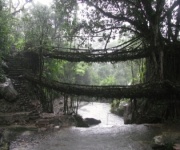
This packing guide draws on local knowledge from guides who have walked these trails through thousands of storms. Whether you are planning a day hike to the Double Decker Root Bridge or a multi-day expedition through remote East Khasi Hills villages, the lists and tips below will help you pack smart, travel light and embrace the monsoon with confidence.
Understanding the monsoon climate you will be hiking in
Cherrapunjee, known locally as Sohra, receives most of its rainfall between May and October, with July and August often delivering more than 2,000 mm each. Mornings can begin warm and overcast around 22°C before midday downpours drop temperatures sharply into the high teens. Mist settles into valleys by mid-afternoon, visibility shrinks to a few metres, and leeches appear on every damp leaf. Understanding this rhythm helps you decide what to wear, when to start and what to leave behind at the resort.
Australian travellers used to the dry heat of Perth or the cool drizzle of Melbourne in July may underestimate just how persistent the Cherrapunjee rain can be. A typical day might see four or five heavy bursts, each lasting from ten minutes to an hour, with brief sunny breaks in between. Trails that look firm in the morning turn into rivulets by lunch, and rock surfaces that were grippy in May become slimy by August. Treating the climate as a feature rather than an inconvenience is the first step to enjoying it.
Most guided treks still depart at sunrise, which means your pack should perform in the dark as well as in a midday downpour. Carry a compact headlamp, a dry bag for electronics and a backup layer even if the morning feels warm. Guides from Cherrapunjee tours often remind visitors that in the monsoon, the weather changes the trail faster than the trail changes the weather.
Clothing layers that handle relentless rain
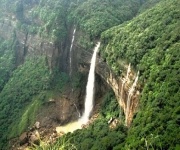
The trick to staying comfortable in Cherrapunjee's monsoon is layering breathable, quick-dry fabrics under a fully waterproof shell. Cotton is a trap. It absorbs water, stays heavy and rubs skin raw within a few kilometres. Synthetic base layers, merino wool mid-layers and a reliable rain jacket form a far more forgiving combination, especially when crossing waterfalls like Nohkalikai or Wei Sawdong.
Two pairs of trekking trousers are usually enough for a four-day trip, one worn and one drying on your pack after a wash. Convertible pants work well for the warm lowland stretches but can feel bulky higher up where evenings turn cool. For women, a quick-dry sports bra and a fitted rain poncho are worth the extra grams; for men, a lightweight hardshell with a proper hood beats a flimsy poncho every time on exposed ridges.
Pack a small microfibre towel, a pair of quick-dry socks for every trekking day plus two extras, and a warm fleece or light down jacket for the evenings around the campfire. Australians who own a decent bushwalking kit from places like Snowy Mountains treks or Tasmanian coastal walks will find the layering principle is identical, even if the humidity is a step beyond anything they have experienced at home.
Footwear, backpack and trekking hardware
Footwear is the single most important decision you will make. Mid-cut waterproof hiking boots with aggressive lugs are the gold standard for monsoon treks, giving your ankles support on the slick, mossy steps that descend toward the living root bridges. Trail runners can work on well-maintained paths, but they will soak through within an hour on the deeper crossings, and the grip simply is not there on wet stone. Whatever you choose, break them in across a few Melbourne hills or Blue Mountains walks before you fly out.
Socks matter as much as boots. Merino or synthetic hiking socks wick moisture away and resist blistering far better than cotton, and rotating between two pairs each day lets one air out while you wear the other. A small repair kit, a few waterproof zip-lock bags, and a roll of quality hiking tape can rescue a boot that has started to delaminate, which happens often on the rough, abrasive limestone of the Khasi Hills.
Your pack should be 40 to 55 litres, depending on whether your tour operator provides camping gear. A rain cover alone is rarely enough in sustained monsoon rain, so line the inside with a large dry bag or several smaller ones. For day hikes, a 20 to 30 litre daypack works perfectly, especially when stuffed with a spare layer, water, snacks and a camera protected in a hard case. Many travellers who book through cherrapunjee.net receive a recommended gear list from their tour coordinator, which is worth following closely.
Trail snacks, water and energy items
High humidity suppresses appetite, yet the body burns through calories faster than you would expect when trudging through mud and climbing wet steps. Packing familiar snacks from home can be a quiet comfort on a long day, and Australian brands like Tim Tams, muesli bars and dried mango travel well once sealed in zip-lock bags. Add a few locally bought items in Shillong, such as dried pineapple or smoked pork jerky, to round out your trail diet.
Hydration deserves more attention than most people give it. Stream water looks clean but should be treated, and tap water in roadside stalls is rarely filtered. Carry at least two litres per person for a day hike, plus an electrolyte tablet or two to replace salts lost through heavy sweating. A collapsible water bottle is a smart way to save space, and refilling from springs along the way is a privilege most Khasi guides are happy to share.
Pack snacks in small, accessible pockets rather than buried deep in your pack, because stopping to rummage in the rain is miserable. Energy gels, nut butter sachets, roasted chickpeas, dried figs and a small bar of dark chocolate all pack a high-calorie punch without weighing you down. If you have a sweet tooth, a few of those classic Arnott's biscuits from the duty-free at Sydney Airport make a fun surprise at the top of a ridge.
Final packing checklist
A concise list at the end of any packing guide is worth its weight in dry socks. The comparison below shows what to bring in the dry season against what the monsoon really demands, and the lists that follow break your kit into what to source in Australia and what to grab in Shillong. Print the page, tick items as you pack, and adjust to your specific route length and difficulty.
Australian travellers often ask whether dry-season packing lists work for monsoon treks, and the short answer is no. Mosquitoes are thicker, leeches are everywhere, and the temperature swing between day and night is wider than anything you would find in a typical Adelaide winter. Treat the snapshot below as your starting point and add personal medical items, prescription medication and any comfort items you cannot live without.
If you have a free day after the trek, the complete guide to arwah cave and its fossils is a worthwhile read, since the cave interior stays cool and damp even when the surface is flooded and proper gear is essential inside. The same boots and dry bag you used on the trail will serve you well underground, and the fossil formations make a memorable reward for surviving the monsoon.
Dry season vs monsoon packing snapshot
| Category | Dry season (Nov–Feb) | Monsoon (Jun–Sep) |
|---|---|---|
| Rain protection | Pack a light rain jacket and a foldable poncho | Heavy-duty waterproof shell, full-coverage poncho and several dry bags |
| Clothing layers | Sun shirt, one warm fleece, light trousers | Quick-dry base layers, merino mid-layer, down jacket, two pairs of socks per day |
| Footwear | Trail runners, breathable camp shoes | Mid-cut waterproof boots, neoprene socks, camp sandals |
| Trail safety | Basic first-aid, electrolytes | Salt, DEET, antihistamines, oral rehydration salts, leech socks |
| Electronics | Camera, 10,000 mAh power bank | High-capacity power bank, universal adapter, dry phone pouch |
| Visibility gear | Sunglasses, sunhat, light buff | Headlamp, backup torch, anti-fog cloth, clear glasses cover |
Items to source in Australia before you fly
- Quality mid-cut waterproof hiking boots, broken in over local walks
- Two pairs of merino or synthetic hiking socks for each trekking day
- Compact 10,000 mAh or larger power bank suited to long-haul flights
- Reef-safe DEET-based insect repellent and a personal medical kit
- Lightweight quick-dry base layers in your usual size from a Sydney outfitter
- Hard-shell rain jacket with sealed seams and an adjustable hood
Last-minute additions worth picking up in Shillong
- Local rain ponchos from Bara Bazaar for under AUD 5
- Smoked pork jerky and dried pineapple for trail snacks
- Cheap plastic dry bags in 5, 10 and 20 litre sizes
- Bottled water and electrolyte sachets from pharmacies on GS Road
- A folding umbrella for village strolls and market visits
- Spare batteries for your headlamp in case of power cuts at the resort
Packing for a monsoon trek in Cherrapunjee is less about buying the most expensive kit and more about choosing pieces that work together as a system. Layer for warmth, dress for wet, grip for slip and treat every gram as something you will carry for hours. If you follow the lists above, you will arrive in Meghalaya ready to enjoy the waterfalls, the mist and the wild green energy that draws travellers here in the first place.
The team at India Beacons Sojourn can tailor a two to seven night package around the gear you already own, the trails you most want to walk and the time you have available. Lock in your dates early, request a custom packing list and book your airport pickup in Guwahati before the peak monsoon rush fills every resort in Sohra. The rain will fall whether you are ready or not, so arriving prepared is the best way to make the most of one of the most dramatic landscapes in Asia.