





What to Pack for a Monsoon Trip to Cherrapunjee
Cherrapunjee, also known as Sohra or Cherrapunji, is at its most dramatic during the monsoon. Rain-fed waterfalls thunder over cliffs, streams swell through forest paths, and mist settles across the Khasi hills. The same weather that creates these unforgettable landscapes can make roads slippery, trails muddy, and clothes difficult to dry.
Packing for Meghalaya’s wet season requires more thought than simply adding an umbrella to your suitcase. You need clothing that dries quickly, footwear with dependable grip, waterproof protection for electronics, and a few practical items for changing conditions. A well-prepared daypack lets you enjoy viewpoints, caves, waterfalls, parks, and living root bridges without carrying unnecessary weight.
The aim is to stay comfortable while keeping cameras, documents, medicines, and spare clothes safe from sudden showers. Whether your visit is part of a two-night escape or a longer Meghalaya holiday, the following guide will help you prepare for the landscapes and travel conditions around Sohra.
Understand the monsoon conditions
The rainy season can bring heavy showers, high humidity, low cloud, and sudden changes in visibility. Rain may continue for hours, or a bright interval may appear between downpours. Temperatures are usually moderate rather than extremely cold, but wet clothing and wind at exposed viewpoints can make you feel chilled.
Trails near waterfalls and bridges often become slick. Water may run across steps, rocks, and roadside paths, while mud can collect around entrances to caves and forest attractions. Pack for movement rather than appearance: lightweight layers, secure footwear, and weatherproof bags are more valuable than bulky outfits or delicate fabrics.
The amount of rain can vary between destinations and from one day to the next. Check the forecast before leaving your hotel, but treat it as a guide rather than a guarantee. A clear morning does not mean the afternoon will remain dry, so keep essential rain protection with you throughout the day.
Choose clothing that dries quickly
Synthetic trekking shirts, quick-dry trousers, and moisture-wicking base layers are useful in humid weather. They feel lighter when damp and can often be rinsed and dried overnight. A lightweight fleece or long-sleeved layer is helpful for cool mornings, misty viewpoints, and air-conditioned transport.
Pack two or three quick-drying tops for a short trip, adding more for a longer itinerary if laundry access is limited. Avoid relying on denim, heavy cotton, or thick sweaters. These materials absorb water, become heavy on trails, and may stay damp in a cool hotel room. A compact laundry line and a small amount of biodegradable detergent can make repeated wear much easier.
Choose trousers or hiking pants with a comfortable fit and some stretch. Long trousers offer protection from leeches, insects, wet vegetation, and rough surfaces around forest paths. Shorts may be comfortable at the hotel, but they are less practical for muddy trails and visits to waterfalls where spray can reach well beyond the viewing platform.
Pack a light waterproof or water-resistant outer layer even if you carry an umbrella. A hooded rain jacket keeps both hands available when climbing steps or holding a walking stick. A poncho can cover your body and daypack at once, although it may flap in strong wind and can be less convenient on narrow paths.
Protect your feet on wet trails
Footwear is one of the most important parts of a Cherrapunjee monsoon packing list. Choose walking shoes or hiking boots with deep, reliable tread and a secure heel. Water-resistant materials are helpful, but grip matters more than complete waterproofing because water can enter from the ankle or run over the top during a downpour.
Avoid smooth-soled trainers, fashion sandals, and new shoes that have not been worn in. Trails around waterfalls, caves, and root bridges may include uneven stones, slippery steps, and short sections of mud. Comfortable shoes reduce the chance of blisters and help you move carefully when visibility is limited.
Bring several pairs of synthetic or wool-blend socks. Keep one dry pair in your daypack inside a waterproof pouch and change them if your feet become soaked. Lightweight sandals or hotel slippers can provide relief after a long day, but they should not replace proper walking shoes for excursions.
A small microfiber towel is useful for drying feet, wiping mud from footwear, and dealing with rainwater inside a room or vehicle. If your shoes become wet, remove the insoles and stuff the shoes loosely with newspaper or absorbent paper. Keep them in a ventilated place rather than sealing them in plastic while damp.
Keep essentials dry and accessible
A sturdy daypack with a rain cover is ideal for sightseeing in Sohra. For stronger protection, place clothing and electronics in separate dry bags or resealable waterproof pouches inside the backpack. This double layer is especially useful when you are travelling between attractions in an open area or walking far from your vehicle.
Use waterproof storage for passports, identification, cash, hotel details, permits, and printed booking information. Keep digital copies of important documents on your phone and in secure online storage. Carry small amounts of cash because connectivity and card payment availability may vary outside main tourist areas.
The following guide separates items by how frequently you are likely to use them during a rainy sightseeing day:
| Item | Why it helps during the monsoon | Where to keep it |
|---|---|---|
| Hooded rain jacket or poncho | Protects you during sudden showers and mist | At the top of your daypack |
| Quick-dry shirt | Stays more comfortable when humid or damp | Main clothing bag |
| Grippy walking shoes | Improves stability on wet rocks and steps | Wear while travelling |
| Dry bags or zip pouches | Shields phones, documents, and spare clothes | Inside the backpack |
| Microfiber towel | Dries skin, footwear, and small equipment | Outer pocket |
| Spare socks | Helps prevent discomfort after soaking rain | Waterproof inner pouch |
| Insect repellent | Reduces bites near vegetation and streams | Accessible side pocket |
| Reusable water bottle | Supports hydration during active walks | Bottle holder |
Pack your phone in a waterproof pouch before the rain begins, rather than waiting until the first drops appear. A sealed pouch can also protect a power bank, memory cards, camera batteries, and cash. Avoid placing electronics in the same compartment as wet umbrellas or rain jackets.
Prepare for waterfalls, caves, and bridges
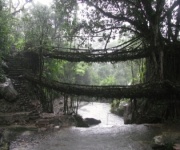
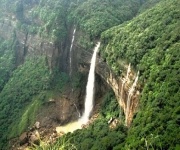
Many visitors come to Cherrapunjee for Nohkalikai Falls, Seven Sisters Falls, Dainthlen Falls, Mawsmai Cave, and the region’s living root bridges. Each type of attraction calls for slightly different gear. Waterfall viewpoints can be windy and misty, caves can be damp and uneven, and bridge walks may involve many steps through dense vegetation.
Carry a small headlamp or reliable flashlight for caves and dark paths, even when visiting during daylight. A phone torch may work in an emergency, but a separate light leaves your phone available for navigation and photography. Choose a compact model with spare batteries or charge it fully before leaving.
A walking stick or foldable trekking pole can provide extra balance on muddy inclines and wet stone steps. Use it carefully around fragile vegetation and crowded viewpoints. Gloves are optional, but thin grip gloves may help on handrails or exposed sections of a trail.
Leeches can appear in wet vegetation, especially after rain. Long socks, tucked-in trousers, and insect repellent offer useful protection. Some travellers also carry salt or a dedicated leech-removal aid, though the safest approach is to check your shoes and lower legs regularly without pulling attached leeches forcefully.
Pack photography and health essentials
Monsoon scenery is excellent for photography, but rain and mist require extra protection. A waterproof camera cover, lens cloths, silica gel packets, and spare memory cards are worthwhile for anyone carrying dedicated equipment. Keep lenses in a sealed pouch while moving between cool, wet air and warmer indoor spaces to reduce condensation.
A phone with offline maps, a waterproof case, and a fully charged power bank can be valuable on day trips. Network coverage may change across the hills, so download directions and accommodation details in advance. A small dry pouch for cables and chargers prevents one wet item from damaging the rest of your equipment.
Bring personal medicines in their original packaging, along with basic supplies such as plasters, antiseptic wipes, oral rehydration salts, pain relief, and any prescribed treatment. Pack sunscreen and lip balm as well; overcast skies can still expose you to ultraviolet light, and wind at high viewpoints can dry your skin.
Hand sanitizer, tissues, biodegradable wet wipes, and a reusable water bottle add comfort during long drives and trail visits. Choose refillable and low-waste products where possible, and carry all wrappers back with you. Sensitive natural areas, caves, streams, and community-managed attractions benefit from careful visitor habits.
Build a lighter and smarter suitcase
A rain-ready wardrobe works best when each item has more than one purpose. A quick-dry shirt can serve as a travel top, a hiking layer, and sleepwear. A lightweight scarf can provide warmth in a vehicle, cover your neck from the sun, or protect your face from spray. Neutral, practical layers also make it easier to pack fewer clothes.
Divide your luggage into a main bag and a compact daypack. Leave the larger suitcase at your accommodation whenever possible, and carry only the items needed for the day. Roll clothing inside waterproof bags, keep one complete dry outfit separate, and place frequently used items where they can be reached without unpacking everything.
A practical packing checklist
- Two or three quick-drying tops and comfortable long trousers
- A hooded rain jacket or poncho, plus a backpack rain cover
- Sturdy walking shoes with good grip and several spare socks
- Waterproof pouches for documents, electronics, cash, and medicines
- Microfiber towel, headlamp, power bank, and offline maps
- Insect repellent, sunscreen, personal medication, and basic first aid
- Reusable bottle, compact laundry supplies, and a bag for wet clothing
Before departure, test your rain jacket, backpack cover, flashlight, and footwear at home. Check that zips close properly and that your waterproof pouches seal securely. A short trial walk in your chosen shoes can reveal discomfort before you reach a slippery trail.
It is also worth leaving room for flexibility. Heavy rain may alter driving times or make a particular path unsuitable on a given day. If your schedule includes several attractions, a lightweight pack makes it easier to adjust plans while keeping the essentials close. For visual inspiration when deciding what to photograph and where to travel, browse the Cherrapunjee photo album.
Travel comfortably and responsibly
Monsoon travel around Sohra involves more than managing rain. Roads can be winding, journeys may take longer, and wet outdoor activities can be tiring. Keep snacks, drinking water, motion-sickness medicine if needed, and a light layer within reach during transfers. Do not fill your daypack so heavily that it becomes uncomfortable on stairs or forest paths.
Respect local guidance at waterfalls, caves, bridges, and viewpoints. Stay behind safety barriers, avoid entering flooded sections, and follow instructions from local guides or site staff. Water levels and rock conditions can change quickly during sustained rain, even when a route appears manageable from a distance.
Use established paths and avoid stepping on living roots or fragile plants. Carry rubbish until you find an appropriate disposal point, and use reef-safe or environmentally considerate products where practical. A reusable bottle and washable snack containers help reduce waste in places where collection and disposal can be difficult.
A carefully prepared monsoon bag gives you more freedom to enjoy Meghalaya’s scenery. Pack light, protect the essentials, and give priority to dry feet, warm layers, safe footing, and flexible plans. Review the forecast before each outing, make sure your valuables are sealed, and keep your rain gear accessible rather than buried under clothing.
For a smoother holiday, match your packing list to your itinerary, accommodation, and planned activities. Explore the available Cherrapunjee vacation packages and contact India Beacons Sojourn through Cherrapunjee.net to arrange a trip that brings together waterfalls, caves, viewpoints, forests, and living root bridges with practical local support.