





What to wear in Cherrapunjee: climate and dress code
Cherrapunjee, also known as Sohra or Cherrapunji, has a cool, humid climate shaped by its hills, forests, and exceptionally heavy rainfall. Clothing that works in a warm city may feel uncomfortable here, particularly when rain, mist, wind, and slippery trails are part of the same day.
The right travel wardrobe should be adaptable rather than bulky. Lightweight layers, quick-drying fabrics, reliable rain protection, and shoes with strong grip are more useful than heavy winter clothing. Even during warmer months, the air can feel cool after a shower or at higher viewpoints.
Dress also has a social side. Visitors spend time in villages, churches, markets, parks, caves, and living root bridge areas, so comfortable clothing should be paired with a respectful, reasonably modest appearance. A little preparation makes sightseeing easier and helps you feel at home in Meghalaya.
Understanding the weather in Sohra
Cherrapunjee sits at a high elevation, around 1,400–1,500 metres above sea level. The monsoon season, broadly from May or June through September, brings intense rain, low cloud, and mist. Rain may arrive suddenly, continue for hours, or clear briefly before returning, so a forecast is useful but should not be treated as a guarantee.
During the wet season, daytime temperatures are often mild rather than hot, while wet clothing can make you feel cold quickly. Cotton garments may stay damp for a long time in the high humidity. Quick-dry trousers, synthetic or merino-blend tops, and a waterproof outer layer are much more practical for waterfall visits and outdoor walks.
The drier months usually offer clearer conditions, although showers are possible at any time. Winter and early spring can feel fresh in the morning and after sunset, with noticeably cooler nights than in the plains. Pack a fleece, cardigan, or lightweight insulated jacket instead of assuming that Meghalaya will remain warm throughout the day.
Building a useful layering system
A three-layer approach works well for Cherrapunjee travel. Begin with a breathable base layer that moves moisture away from the skin. Add a warm mid-layer, such as a fleece, light sweater, or long-sleeved shirt, and carry a waterproof shell that can be worn over everything when rain begins.
Avoid relying on a single thick coat. It may be too warm while walking uphill, yet insufficient when soaked. Several light layers are easier to remove, dry, and rearrange as the weather changes. A compact poncho is especially valuable because it can cover your shoulders, backpack, and part of your legs at the same time.
Choose fabrics carefully. Denim is slow to dry and can become heavy on wet trails, while delicate fabrics may not cope well with rocks, mud, or frequent washing. Stretch trousers, moisture-wicking tops, and fast-drying travel shirts provide better comfort. Pack a spare outfit in a sealed dry bag so that a sudden downpour does not affect the rest of your day.
Footwear and protection for wet trails
Footwear is one of the most important choices for a Cherrapunjee holiday. For viewpoints, village paths, waterfalls, and living root bridges, use closed shoes or hiking shoes with deep, dependable tread. Water-resistant construction is helpful, but grip matters just as much because wet stone, moss, and mud can be very slippery.
Light sandals may be useful around a resort or hotel, but they are rarely suitable as your main sightseeing shoes. Open footwear leaves toes exposed on uneven paths and provides less stability near streams and cave entrances. If you plan longer walks, break in your shoes before travelling and bring moisture-wicking socks along with at least one spare pair for each active day.
A lightweight umbrella can help in town, but it is awkward on narrow trails and in strong wind. A hooded rain jacket or poncho is usually more practical outdoors. Add a waterproof phone pouch, a small dry bag, and a reusable cover for your daypack. These simple items protect cameras, identity documents, medicines, and other essentials when the weather changes quickly.
Dress respectfully in villages and sacred places
Cherrapunjee is a living destination, not simply a collection of viewpoints. Your route may pass through Khasi villages, local markets, churches, community spaces, and areas associated with traditional culture. There is no single formal tourist uniform, but clean, modest clothing is the safest choice for everyday sightseeing.
Tops that cover the shoulders and trousers or skirts that provide reasonable coverage are appropriate in villages and religious places. Very short shorts, transparent clothing, and beachwear are better reserved for private accommodation, if at all. Carry a light scarf or shawl, which can provide extra coverage, warmth, or protection from sun and mist.
Remove hats and sunglasses when local customs or signs request it, and follow photography restrictions near churches, homes, ceremonies, and people. Ask before photographing residents, especially children or anyone involved in a religious or cultural activity. Comfortable respect is more useful than trying to copy local dress exactly.
Packing by season and activity
The best packing list depends on whether your trip focuses on waterfalls and caves, scenic drives, village walks, or a relaxed resort stay. A short excursion may need one dependable rain layer and an extra shirt, while a multi-day route requires a system for managing damp clothes. Laundry may take longer to dry during the monsoon, so bring enough quick-drying basics.
| Travel situation | Clothing to prioritise | Useful extras |
|---|---|---|
| Heavy monsoon sightseeing | Quick-dry tops, trekking trousers, waterproof shell or poncho | Dry bags, spare socks, pack cover |
| Winter and early spring | Long-sleeved shirts, fleece, light jacket, full-length trousers | Warm sleepwear, scarf, compact umbrella |
| Waterfalls and cave visits | Breathable activewear, closed shoes with grip | Waterproof phone pouch, towel, headlamp |
| Living root bridge walks | Flexible trousers, moisture-wicking shirt, stable hiking shoes | Walking poles, insect repellent, extra water |
| Resort and town evenings | Smart-casual layers, comfortable covered shoes | Shawl or cardigan, sandals for indoor use |
| Village and religious visits | Modest tops, covered shoulders, longer trousers or skirt | Scarf, respectful footwear, reusable bag |
For a longer holiday, divide clothing into a daily-use section and a protected dry reserve. Keep one complete change of clothes in a waterproof bag rather than scattering everything through your luggage. Compression bags can save space, but they do not replace waterproof protection.
If your itinerary includes several days of sightseeing, consider how often you will be able to wash and dry clothing. Three or four quick-dry tops, two pairs of trousers, sufficient underwear, and several pairs of socks can be more practical than a large collection of cotton clothes. A laundry line and a few travel detergent sheets are small additions that can be surprisingly useful.
What to wear for popular Cherrapunjee activities
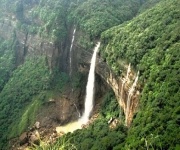
Waterfall visits often involve wet steps, spray, mud, and uneven ground. Wear trousers or longer shorts that allow free movement, and avoid loose hems that can catch on rocks or vegetation. A poncho is convenient when rain is heavy, but a breathable rain jacket may feel better during an uphill walk.
Cave excursions call for covered footwear, clothing that can tolerate dirt, and a small torch or headlamp. Some cave areas are damp and dim, and surfaces may be slick. Keep valuables in a sealed pouch and avoid carrying more than you need. A light long-sleeved layer can also reduce insect exposure on forest paths.
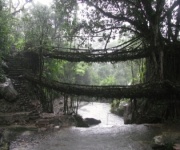
The living root bridges may require extended walking and numerous steps. Flexible hiking clothing, supportive footwear, and a hat or sun protection are sensible even under cloudy skies. The return journey can be tiring, so choose practical clothes over outfits that look good only in photographs.
Travellers joining a longer route can review the six-night Cherrapunjee package while considering how many outdoor days they will have. A seven-night stay, such as this extended Cherrapunjee itinerary, gives more room for varied activities, making versatile layers especially valuable.
A simple packing checklist
Use this checklist as a starting point, then adjust it for your travel dates, accommodation, and planned walks:
- Pack a waterproof jacket or poncho, a compact daypack cover, and at least one dry bag.
- Choose two pairs of comfortable, closed walking shoes if luggage space allows, and bring several pairs of quick-drying socks.
- Carry breathable tops, flexible trousers, a warm mid-layer, and one complete spare outfit protected from rain.
- Add a scarf or shawl, modest clothing for villages and religious places, sun protection, and insect repellent.
- Keep medicines, documents, electronics, and cash in waterproof pouches inside your main bag.
Before leaving for each day’s excursion, check the local forecast and ask your accommodation about trail conditions. Put on shoes with good grip even when the sky looks clear, since earlier rain may have left paths slick. Carry drinking water and a small snack, as clothing is only one part of staying comfortable outdoors.
Preparing for a more comfortable stay
Accommodation in and around Cherrapunjee varies from hotels and resorts to smaller guesthouses. Some rooms may have limited drying space, so avoid bringing a large wardrobe that depends on daily washing. A lightweight travel towel, hanging organiser, and a few sturdy clips can help you manage damp gear in a compact room.
Your travel style should guide your final choices. A sightseeing circuit with frequent transfers favours lightweight luggage and clothing that dries quickly. A slower resort break allows a few casual evening outfits, but rain protection remains essential. Neutral, durable clothing also works well for both outdoor activities and visits to local communities.
The most dependable outfit is one that keeps you dry, warm enough, mobile, and respectful of the setting. Pack for changing conditions rather than a single season, protect your essentials from moisture, and leave room for the practical realities of hill travel.
Prepare your layers, check your footwear, and arrange your Cherrapunjee holiday with a route suited to the season. Contact India Beacons Sojourn through Cherrapunjee.net to discuss available stays, sightseeing plans, and a package that lets you experience Sohra comfortably and responsibly.