





Meghalaya Entry Permits: What Australian Travellers Need to Know
Meghalaya is one of India’s most rewarding regions for travellers who enjoy misty hills, dramatic waterfalls, limestone caves and villages surrounded by dense forest. Cherrapunjee, also known as Sohra or Cherrapunji, is a popular base for exploring the state, while Shillong, Mawlynnong and Dawki add different landscapes and cultural experiences.
For most visitors, entering Meghalaya is simpler than entering several other northeastern Indian states. Meghalaya generally does not require a separate Inner Line Permit (ILP) or a Protected Area Permit (PAP) for ordinary tourism. The documents you need depend mainly on your nationality, your route into the region and the places you plan to visit.
Australian travellers should still prepare carefully. There are no direct flights from Sydney, Melbourne or Brisbane to Meghalaya, and most itineraries involve an international connection to India followed by a domestic flight to Guwahati. From Guwahati, the road journey to Shillong and Cherrapunjee crosses state borders, so keeping your travel documents accessible is sensible.
Permit rules and registration procedures can change, particularly for foreign nationals and sensitive border locations. Check current advice from the Indian High Commission or Consulate in Australia, the official Indian visa portal and the Australian Government’s Smartraveller service before departure.
Understanding Meghalaya’s Entry Rules
Meghalaya is not generally treated as a restricted-entry state for tourists. Indian citizens can usually travel into Meghalaya without applying for a state entry permit, and Australian visitors do not normally need a special Meghalaya visa in addition to their valid Indian visa. The normal requirements are a passport, the correct visa and transport or accommodation details.
This is different from the requirements in some neighbouring northeastern states. Arunachal Pradesh, Nagaland and Mizoram may involve separate permits or registration procedures for particular travellers. A trip combining Meghalaya with those states therefore needs a separate document check for each destination rather than relying on Meghalaya’s rules.
The phrase “entry permit” can also refer to several different things. It may mean a visa for entering India, a state-level travel permit, a foreigner registration requirement or a local ticket for an attraction. These are separate matters. A ticket for a cave, park or village conservation area does not replace an Indian visa, and an Indian visa does not automatically authorise access to every restricted border zone.
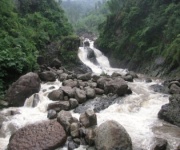
For a visual sense of the region’s roads, villages and major sights, browse the Cherrapunjee photo album while planning your route. It can help you understand why travel times between waterfalls and viewpoints are often longer than the map distance suggests.
Requirements For Australian Passport Holders
Australian citizens need a passport that remains valid for the period required by Indian immigration and contains sufficient blank pages. India’s visa conditions can include minimum passport validity and other document requirements, so follow the instructions attached to the specific visa category rather than relying on an old application or a previous visit.
Many Australian holidaymakers use an Indian e-Visa when eligible. The application must be completed through the official Indian government website, and approval should be obtained before travelling. Check whether your nationality, arrival airport, purpose of travel and length of stay fit the e-Tourist Visa conditions. A visa issued for tourism should not be used for employment, volunteering or commercial activities that require another category.
Carry a printed or offline copy of the visa approval, as well as your passport details and accommodation information. Australian travellers often store boarding passes and confirmations in Apple Wallet or email, but mobile data can be unreliable on hill roads and inside remote valleys. A paper copy is still useful at airports, hotels and roadside checkpoints.
Your passport may be requested at hotel check-in, during domestic flights or by officials conducting routine checks. Keep the original secure and carry a clear copy when joining day trips. Do not hand your passport to an unverified person or leave it as informal security for a purchase or vehicle arrangement.
Arrival Through Guwahati And Shillong
Most overseas visitors reach Meghalaya through Lokpriya Gopinath Bordoloi International Airport in Guwahati, Assam. Guwahati is outside Meghalaya, so arriving there does not mean you have entered the state by air. Travellers usually continue by private car, taxi or package transfer to Shillong, with Cherrapunjee commonly reached after travelling onward through the Khasi Hills.
The drive from Guwahati to Shillong can take several hours, and the journey to Cherrapunjee takes longer depending on weather, traffic and road conditions. Monsoon rain can slow vehicles significantly. A permit is not normally required simply because the vehicle crosses from Assam into Meghalaya, although drivers may stop at checkpoints and ask to see identification.
Some visitors fly to Shillong Airport, also called Umroi Airport, but flight schedules are limited compared with Guwahati. Confirm the airport, transfer time and baggage arrangements before booking a package. A late arrival in Guwahati may make a same-day road transfer uncomfortable, especially during heavy rain or after a long journey from Australia.
Australian travellers are familiar with long distances between cities such as Melbourne and Sydney, but northeastern India can feel different because narrow, winding roads and weather create delays. Build flexibility into the itinerary instead of scheduling a waterfall visit immediately after an international connection. A two- to seven-night Meghalaya package can be arranged around these practical transfer times.
Foreigners Registration And Local Checks
Foreign nationals should check whether their itinerary triggers registration with the Foreigners Regional Registration Office (FRRO), Foreigners Registration Office (FRO) or another designated authority. Requirements may depend on nationality, visa type, length of stay and current government instructions. Hotels sometimes complete or support guest reporting, but responsibility for complying with immigration rules remains with the traveller.
At accommodation, foreign guests are commonly asked for passport and visa details. This is a standard security and immigration procedure rather than evidence that a separate Meghalaya permit is always required. Provide accurate information and keep the name on bookings consistent with the passport. If you move between several hotels, expect each property to request the same documents.
Extra care is sensible near international borders. Dawki and the Bangladesh border area are popular tourist destinations, but a normal sightseeing plan should remain within authorised visitor areas. Do not cross barriers, enter military or security installations, photograph sensitive infrastructure or assume that a remote trail is open because it appears on a map.
Rules can be updated with little notice. Before leaving Australia, review Smartraveller advice and the latest information from Indian diplomatic authorities. If your trip includes photography, research, journalism, research work, paid activity or extended stays, ask the relevant authority whether a tourist visa is appropriate.
Permits For Attractions And Border Areas
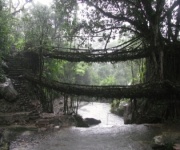
Many of Meghalaya’s best-known attractions involve local entry fees rather than state travel permits. Waterfalls, caves, sacred groves, parks and living root bridge sites may charge a small conservation or community fee. Some locations also require a local guide, particularly where paths are slippery, poorly signposted or difficult to navigate safely without knowledge of the terrain.
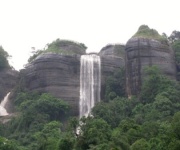
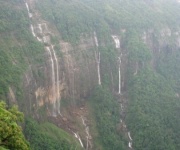
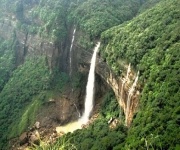
Sohra’s famous waterfalls can be affected by seasonal conditions. Nohkalikai Falls, Seven Sisters Falls and Dainthlen Falls may look very different during the dry and wet seasons, while visibility can disappear in cloud or heavy rain. A local ticket usually covers access to a viewpoint or managed site; it does not guarantee that every trail, pool or lower section is open.
Cave visits deserve particular attention. Meghalaya’s limestone cave systems range from short tourist walks to demanding expeditions involving water, mud and narrow passages. Ask your operator whether equipment, guide charges and attraction fees are included. Wear footwear with reliable grip and follow local instructions rather than entering an unmarked cave independently.
Community-managed attractions may have their own operating hours and visitor rules. Dress respectfully in villages and sacred areas, ask before photographing residents and avoid taking plastic or food waste into forest sites. Local regulations may be informal in appearance but are still important to the communities protecting these places.
Planning A Smooth Cherrapunjee Stay
A reliable itinerary begins with matching the visa, accommodation and transport information. If you book a multi-day tour, check whether the package includes airport transfers, hotel registration support, entry fees, guide services and meals. Clarify which costs are paid locally in Indian rupees, since not every village attraction accepts cards or Australian payment apps.
Australian travellers often use tap-and-go cards for everyday purchases and expect stable mobile coverage. In Meghalaya, card facilities and ATMs are more dependable in Shillong than in rural parts of the Khasi Hills. Carry modest cash, keep a backup payment method and tell your bank that you will be travelling in India. UPI payments are widespread locally, but visitors may not be able to activate them without an eligible Indian banking setup.
Weather should influence both clothing and documents. A waterproof day bag protects passports, permits, phones and camera equipment during sudden showers. Australian habits such as packing light for a short road trip may need adjustment here because wet-weather layers, sturdy shoes and a small torch are useful on cave visits and forest paths.
Australian consumer and travel expectations may differ from those of an Indian tour operator. Read cancellation terms, payment schedules and inclusions carefully, and confirm the currency used for the final price. Australian law, including consumer protections, may not apply in the same way when a service is supplied by an overseas business, so appropriate travel insurance and written booking records are important.
Documents Worth Carrying
Keep digital copies in secure cloud storage and paper copies in a separate bag. Your documents should be easy to show without repeatedly opening your main luggage, especially during transfers between Guwahati, Shillong and Cherrapunjee.
- Passport with suitable validity and at least one usable blank page
- Approved Indian visa or e-Visa authorisation
- Return or onward flight details
- Hotel confirmations and the tour operator’s contact information
- Travel insurance policy, including medical evacuation and activity coverage
- Copies of prescriptions, emergency contacts and important medical information
Travel insurance is particularly valuable for an itinerary involving steep trails, slippery viewpoints, caves and long road transfers. Medicare does not cover medical treatment in India, and remote evacuation can be expensive. Check that the policy covers activities you intend to undertake, including guided cave exploration or trekking if listed in the itinerary.
Carry your Australian emergency contact details and register travel plans through Smartraveller if that service is available for your trip. For urgent help overseas, Australian consular assistance has limits, so insurance, local contacts and sensible preparation remain essential.
Meghalaya’s entry process is usually straightforward for tourists who hold the correct Indian visa and travel within normal visitor areas. The most useful preparation is to distinguish the Indian visa from local attraction fees, confirm any foreigner registration requirement and allow enough time for road travel. Review the latest official rules before departure, then arrange your Cherrapunjee stay with clear documents, realistic transfers and suitable insurance.