





Why you should visit Cherrapunjee during the off-season
Cherrapunjee, also known as Sohra or Cherrapunji, is famous for dramatic landscapes, living root bridges, waterfalls, caves, and rain-filled valleys. Many travelers arrive during the busiest holiday periods, when the weather is comfortable and sightseeing feels straightforward. Yet visiting outside the peak window can reveal a quieter, more atmospheric side of Meghalaya.
The off-season does not mean the destination loses its appeal. It can mean mist drifting across the hills, fuller waterfalls, peaceful trails, easier hotel bookings, and more time with local guides. Depending on your travel dates, you may encounter the lush monsoon months or the quieter shoulder periods before and after the main rush.
A well-planned trip is essential because weather conditions can change quickly in the Khasi Hills. Travelers should balance their interest in rain, trekking, photography, and relaxed sightseeing with road conditions and the accessibility of outdoor attractions.
Experience the landscape without the crowds
One of the clearest advantages of an off-season trip is the slower pace. Popular places around Sohra can become busy during holidays, particularly viewpoints, waterfall areas, and entrances to well-known caves. Outside those periods, visitors often have more space to enjoy the surroundings instead of moving through a crowded sightseeing schedule.
Quiet surroundings also make the scenery feel more immersive. The sound of rainfall, flowing streams, and wind through the forest becomes easier to appreciate when there are fewer vehicles and conversations nearby. At viewpoints such as those overlooking deep gorges and green valleys, a calmer atmosphere allows travelers to stay longer and observe changing light across the hills.
The reduced visitor traffic can benefit local interactions as well. Guides, homestay hosts, drivers, and craft sellers may have more time to explain the area’s history and traditions. A conversation that might be brief during the peak season can become a meaningful part of the journey.
See waterfalls at their most powerful
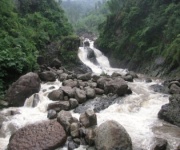
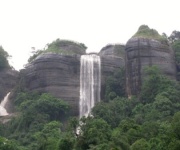
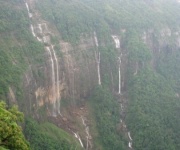
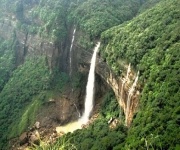
Sohra’s waterfalls are among its greatest attractions, and the rainy season transforms them. Water plunges over cliffs, temporary streams appear along roadsides, and forest trails become intensely green. Nohkalikai Falls, Dainthlen Falls, Wei Sawdong Falls, and other cascades can look especially dramatic after substantial rainfall.
This visual richness is a major reason to consider traveling during the wetter off-season. Clouds gather around the ridges, mist settles over the valleys, and the landscape takes on a cinematic quality. Photographers can capture scenes that are very different from the clearer, drier views common in winter.
Rainfall also requires sensible planning. Heavy showers may reduce visibility at viewpoints, make paths slippery, or affect access to remote waterfalls. Travelers should use sturdy footwear, carry waterproof protection for phones and cameras, and allow flexible time between attractions. A local driver or guide can help determine which sites are practical on a particular day.
Enjoy better value and greater flexibility
Accommodation and transportation can be easier to arrange outside the busiest travel months. Resorts, hotels, and homestays may have more availability, giving visitors a wider choice of room types and locations. This is especially useful for families, couples, and groups that want adjoining rooms or a property close to specific attractions.
Lower demand can sometimes bring better package value, although prices vary by property, weekend, holiday, and weather conditions. A longer stay may feel more affordable when the itinerary is spread across several days rather than compressed into a rushed weekend. Travelers can compare accommodation categories and tour plans through the Cherrapunjee travel guide before selecting dates.
Flexibility is another important benefit. During peak periods, a missed activity may be difficult to reschedule because every vehicle, guide, and room is already committed. In the off-season, it may be easier to adjust the order of sightseeing, extend a stay, or spend an extra morning resting at the resort when rain interrupts outdoor plans.
| Travel factor | Peak season | Off-season advantage | What to plan for |
|---|---|---|---|
| Crowds | Busy viewpoints and popular attractions | Quieter sightseeing and trails | Some sites may still be busy on weekends |
| Waterfalls | Clearer access and moderate flow | Fuller cascades and vivid greenery | Slippery paths and sudden rain |
| Accommodation | Higher demand during holidays | More room and resort choices | Check cancellation terms |
| Photography | Brighter, clearer landscapes | Mist, clouds, and dramatic atmosphere | Carry waterproof camera protection |
| Outdoor activities | More predictable schedules | Flexible, less crowded experiences | Weather may change plans |
| Travel costs | Rates may rise during holidays | Possible package or room savings | Compare inclusions before booking |
Discover caves, bridges, and forest trails differently
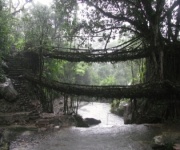
Cherrapunjee is more than a collection of viewpoints and waterfalls. The surrounding region offers caves, forest paths, remote villages, and living root bridges created through generations of traditional Khasi knowledge. Off-season travel can make these experiences feel more personal, particularly when a guide can set a comfortable pace.
The living root bridges require patience and physical effort. Reaching them may involve long stairways, uneven terrain, and damp paths, especially during the rainy months. However, the surrounding vegetation is at its richest then, and streams beneath the bridges can be lively and clear. Visitors who prefer a less demanding experience can choose shorter walks or viewpoints based on local advice.
Caves such as Mawsmai are relatively accessible, while other cave systems may require more preparation and expert guidance. Rain can affect cave entrances, trail conditions, and water levels. Anyone planning a cave or bridge excursion should confirm local conditions, use suitable footwear, and avoid entering areas that guides consider unsafe.
Make the weather part of the experience
The idea of perfect weather often means bright skies and predictable sunshine, but Cherrapunjee offers a different kind of beauty. Rain is part of the region’s identity, and an off-season visit allows travelers to experience the atmosphere that has made Sohra renowned for its extraordinary precipitation.
A passing shower can change a familiar view within minutes. Sunlight may break through the clouds after rain, creating layers of green across the hills. Mist can hide a valley and then lift suddenly, revealing cliffs, forests, and distant settlements. These changing conditions reward travelers who avoid a rigid schedule.
At the same time, visitors should distinguish between a romantic rainy-day trip and an impractical one. Very heavy rain may lead to temporary road delays, reduced visibility, or the postponement of trekking. A balanced itinerary should include indoor or low-exposure activities, comfortable accommodation, and enough spare time to move attractions to another day.
Travel responsibly in the quieter months
Off-season tourism can distribute visitor spending more evenly throughout the year. Hotels, restaurants, drivers, guides, and small shops benefit when travelers arrive beyond major holidays. Choosing local services and purchasing regional products can help ensure that tourism contributes to the communities surrounding Sohra.
Responsible travel is particularly important in a landscape shaped by water. Visitors should avoid leaving plastic on trails, keep distance from cliff edges, and follow instructions near waterfalls and caves. Monsoon streams can become dangerous quickly, so swimming or climbing near fast-moving water should never be treated casually.
Respect for local customs also improves the experience. Some villages, sacred forest areas, and community-managed attractions may have specific rules about photography, behavior, or access. Asking permission, listening to guides, and avoiding loud activity in sensitive places helps protect both the environment and the character of the destination.
Prepare well for an off-season itinerary
A successful trip depends on matching the itinerary to the season. If dramatic waterfalls and lush scenery are the priority, the wetter months may be rewarding. If travelers want clearer roads, longer walks, and more dependable views while still avoiding holiday crowds, the shoulder months can be a better compromise.
Packing should account for both rain and changing temperatures. Quick-drying clothing, a light warm layer, waterproof bags, comfortable walking shoes, and a reliable rain jacket are more useful than a large amount of ordinary clothing. Travelers should also carry personal medicines, insect protection, a reusable water bottle, and power banks for days spent away from town.
Before departure, check road conditions, accommodation policies, attraction access, and local weather forecasts. Mobile connectivity can vary in hilly areas, so keeping offline maps, booking details, emergency contacts, and identification documents available is sensible. For international travelers, passport, visa, and any applicable entry or permission requirements should be arranged in advance.
Practical choices for a smoother trip
- Choose a flexible itinerary with at least one buffer day for rain-related changes.
- Book accommodation with reliable access, covered areas, and basic in-house dining.
- Wear shoes with strong grip for wet steps, forest trails, and uneven cave approaches.
- Hire a local driver or guide for remote waterfalls, bridges, and changing road conditions.
- Carry waterproof covers for luggage, documents, phones, and photography equipment.
Plan a slower stay in Sohra
An off-season visit works best when travelers resist the temptation to pack every attraction into a single day. A two- or three-night stay can cover major waterfalls, viewpoints, caves, and selected local experiences, while a longer holiday allows time for living root bridges, nearby villages, and unplanned weather breaks.
Morning departures are often useful because conditions may become wetter later in the day, though this varies by season. Starting early can also provide quieter roads and better chances of enjoying an attraction before other groups arrive. The itinerary should remain adaptable rather than treating every stop as fixed.
Sohra can also be combined with other Meghalaya destinations, including Shillong, Mawlynnong, Dawki, or nearby forest areas, depending on road conditions and available time. A carefully arranged multi-day tour makes it easier to coordinate transport, accommodation, sightseeing, and local guidance without sacrificing the relaxed character that makes off-season travel appealing.
Cherrapunjee during the off-season offers a deeper connection with Meghalaya’s living landscape. The rain may require patience, but it brings powerful waterfalls, rich forests, shifting clouds, and an atmosphere that cannot be recreated in a busy, tightly scheduled holiday. With suitable clothing, realistic planning, and respect for local conditions, the quieter months can become the most memorable time to explore Sohra.
Start planning your Cherrapunjee stay around the experiences you value most, compare suitable tour and accommodation options, and reserve enough time for the weather to shape the journey. Contact India Beacons Sojourn for help arranging a comfortable Meghalaya holiday built around waterfalls, caves, living root bridges, and the changing beauty of Sohra.