





A Detailed Guide To The Kynrem Falls Trek From Start To Finish
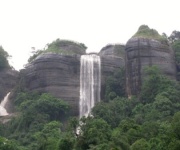
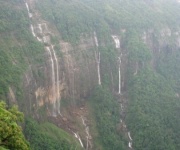
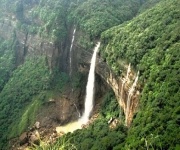
Kynrem Falls is one of the most impressive waterfall experiences near Sohra, the destination widely known as Cherrapunjee or Cherrapunji. Set beside Thangkharang Park, the three-tiered cascade drops through forested hills before the water disappears into the deep green landscape. The attraction is easy to view from above, while the walk towards the lower sections offers a more intimate and demanding experience.
For travellers from Australia, this is a trek where preparation matters more than speed. The Meghalaya hills can change from bright sunshine to heavy rain within minutes, and paths may become slick, muddy and difficult to identify. A sensible itinerary allows time for the drive from Shillong or Sohra, a gradual walk, photo stops and a safe return before dark.
The route is best treated as a guided nature walk rather than a marked Australian-style bushwalking track. Local conditions, rainfall and access arrangements can alter the practical route. A local guide or experienced driver can explain which paths are open, identify unstable sections and help you enjoy Kynrem Falls without rushing through the forest.
Planning Your Kynrem Falls Visit
Kynrem Falls lies roughly 12 kilometres from Sohra, making it a convenient addition to a Cherrapunjee holiday. Most visitors approach from Shillong, which is around two to three hours away by road depending on traffic, weather and stops. Guwahati is a much longer starting point, usually requiring a full road journey or an overnight plan. Travellers flying from Sydney, Melbourne, Brisbane or Perth will generally connect through an Indian gateway before continuing towards Guwahati and Meghalaya.
The best months depend on the experience you want. During the monsoon, usually from June to September, Kynrem Falls is at its most powerful, with broad streams of water spilling over the three stages. The same rain can make the trail slippery and obscure smaller paths. October to April often brings more manageable walking conditions, clearer viewpoints and cooler mornings, although the waterfall may be less dramatic after a dry spell.
Start early, particularly if the falls are part of a wider day around Sohra. Morning departures leave room for road delays, a slow descent and changing weather. Australian hikers who are accustomed to carrying water, applying sun protection and staying on marked trails should add waterproof layers, grip-focused footwear and a reliable local guide to their normal kit.
Reaching The Trailhead
The straightforward visit begins at Thangkharang Park, a popular viewpoint area near Kynrem Falls. Your vehicle can usually stop close to the park entrance or viewing zone, depending on current local access. From here, the upper panorama is the first reward: the falls appear across a dramatic valley framed by forest and steep Khasi hills. Take time to understand the landscape before beginning the descent.
There is no single universally maintained trekking route that should be followed without checking local conditions. Some visitors walk towards lower viewpoints or approach sections of the stream, while others remain on the established observation areas. The exact start of the walk can vary with erosion, construction, rain and advice from residents. Confirm the route with your guide at the trailhead and avoid treating an online map pin as a guarantee of safe access.
A typical day begins with a drive from Sohra after breakfast, followed by a viewpoint stop, a guided walk and time for photographs. Wear shoes with firm tread rather than smooth casual sneakers. A lightweight rain jacket is more useful than an umbrella on a narrow trail, and a dry bag protects phones, passports, wallets and camera equipment. Carry Indian rupees in small denominations, as card facilities and reliable mobile coverage may not be available near the falls.
Walking Through The Forest
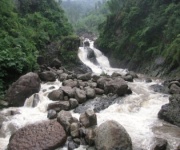
The trek starts gently but can become more uneven as the path moves away from the main viewpoint. Expect damp soil, exposed roots, rocks, narrow ledges and sections where rainwater runs directly over the track. The forest is part of the attraction: moss-covered surfaces, dense foliage, birdsong and shifting views of the valley create a very different setting from a formal national park walk around Melbourne or Sydney.
Allow extra time for the descent. A fit walker may cover the accessible section relatively quickly in dry weather, but a careful pace is safer and more enjoyable. Stop before steep or slippery ground rather than trying to pass another person on a narrow section. Your guide can point out stable footholds and explain whether a lower viewpoint is practical on that day.
The sound of the falls becomes stronger as you approach the wetter sections of the route. Kynrem is made up of multiple drops, and the view changes as the angle and distance shift. Never stand directly beneath a cascade or walk across a stream simply to improve a photograph. Water levels can rise rapidly upstream, even when rain is falling somewhere beyond your immediate view.
Essentials For The Walk
- Grippy walking shoes, spare socks and lightweight quick-dry clothing
- A waterproof jacket, dry bag and phone protection for sudden rain
- At least one to two litres of drinking water per person, plus simple snacks
- Insect repellent, sunscreen, a hat and a small personal first-aid kit
Reaching The Falls And Returning Safely
The lower approach is rewarding because it reveals the scale of the falls more clearly than the upper viewpoint. Depending on the season, the trail may end at a safe lookout, a stream crossing or a practical turning point rather than at the absolute base. The final distance is less important than maintaining control on wet ground. Visitors should follow the guide’s decision about where the route ends.
Photography requires care. Water spray can make rocks and camera equipment wet, while mist may reduce visibility across the valley. Use a wrist strap, keep lenses in a protective pouch and take photographs from stable ground. Drones should only be used where permitted and where they will not disturb other visitors or local communities. Loud music, litter and climbing over barriers are inappropriate in this sensitive natural area.
The return journey is usually harder than the descent because tired legs reduce balance. Begin walking back with enough daylight, drink regularly and keep a slower member of the group in front of the guide rather than at the rear. If rain becomes intense, move to a secure wider area and wait for instructions. Do not shelter beneath unstable rock faces or close to a swollen stream.
Practical Safety Checks
- Check rainfall and road conditions with your accommodation or local operator
- Tell someone your planned return time and keep the group together
- Avoid the lower trail during lightning, severe rain or rapidly rising water
- Carry rubbish back to the vehicle and leave plants, rocks and wildlife undisturbed
Australian visitors may recognise the value of “leave no trace” habits from bushwalking areas in New South Wales and Victoria, but the conditions here demand extra caution. Meghalaya’s humidity can feel heavier than a warm walk near Perth, and wet cotton clothing becomes uncomfortable quickly. Choose breathable layers, keep valuables sealed and expect the trail to take longer than a similar distance at home.
Making The Most Of A Sohra Day
Kynrem Falls works well as part of a broader Cherrapunjee itinerary rather than as an isolated trip. Depending on time, your route may include Thangkharang Park, nearby viewpoints, Mawsmai Cave, Arwah Cave, Nohkalikai Falls or a living root bridge excursion. These attractions have different walking demands, so avoid scheduling every major site in one day. A two-night stay in Sohra gives you more flexibility than attempting all highlights between Shillong and a late return.
The valley views around Sohra can be especially striking in the late afternoon, when cloud, sunlight and distance create changing colours across the Bangladesh plains. If your schedule allows, plan a separate viewpoint stop and read this guide to sunset over the Bangladesh plains before choosing your timing. Sunset is beautiful, but a waterfall trail should never be started late simply to combine both experiences.
Accommodation ranges from local guesthouses and hotels to resorts with valley views. Ask in advance about hot water, power backup, driver availability, packed meals and drying space for wet clothes. These details matter after a rainy walk. A local operator can also arrange transport, permits where required and a realistic sequence of attractions, which is often more efficient than relying on last-minute taxis.
Useful Booking Details To Confirm
- Whether a local guide and vehicle are included in the package
- Current trail access, park timings and any local entry charges
- Meal arrangements for an early departure or delayed return
- Accommodation distance from Sohra’s main market and transport points
Food and supplies are easiest to organise in Sohra before leaving for the day. Pick up water, fruit, biscuits or a packed local meal rather than expecting a shop beside the waterfall. Australian travellers used to buying snacks at a well-stocked service station should plan differently here. Small local markets may have limited opening hours and fewer familiar products, while cash remains useful for modest purchases and tips.
A well-organised visit to Kynrem Falls combines the main viewpoint with a carefully judged forest walk, suitable clothing and enough time to return safely. Cherrapunjee.net can help arrange multi-day Meghalaya packages, accommodation and local transport through India Beacons Sojourn, allowing the waterfall to fit naturally into a two- to seven-night holiday. Contact the team to plan your Sohra itinerary and reserve a guided Kynrem Falls experience suited to the season and your walking pace.