





A family-friendly Cherrapunjee itinerary for an easy Meghalaya holiday
Cherrapunjee, also known as Sohra or Cherrapunji, gives families a memorable introduction to Meghalaya through misty hills, dramatic waterfalls, limestone caves, forest trails, and villages shaped by Khasi culture. The region is especially rewarding when the schedule leaves room for slow mornings, scenic stops, and unplanned pauses for children to enjoy the landscape.
A comfortable family holiday does not need to cover every attraction in one trip. A well-paced plan can combine the famous sights with shorter walks, quiet viewpoints, and practical breaks. Families travelling with older children may add a more active day, while those with toddlers or grandparents can keep the itinerary focused on road-accessible attractions.
The route below works well for a five-day holiday, with options to shorten it to two or three nights or extend it to a week. Travel times can change with rain, road conditions, traffic, and stops, so treating each day as a flexible outline is wiser than following a strict timetable.
Choose the right base and pace
Sohra is a convenient base for visiting many of Meghalaya’s best-known attractions. Waterfalls, caves, viewpoints, and forest areas are spread across the surrounding plateau, so staying in one area for several nights reduces the need to pack and unpack. It also gives children time to settle into the surroundings.
Families can choose between a resort, hotel, guesthouse, or homestay depending on their priorities. A resort may offer larger rooms, gardens, meals, and more familiar facilities, while a homestay can provide local food and a closer connection with Khasi hospitality. This helpful guide to resorts and homestays can help match the accommodation to your group’s comfort level.
Plan arrival around daylight whenever possible. The drive from Shillong to Cherrapunjee takes roughly two to three hours, depending on traffic and weather, while the journey from Guwahati is considerably longer. Families arriving by air should consider an overnight stop in Shillong if a late flight would make the onward mountain drive tiring.
Day one: arrive, settle in, and see the plateau
Begin with a relaxed transfer to Sohra rather than filling the arrival day with distant sightseeing. The road from Shillong offers changing views of pine-covered slopes, valleys, and roadside markets. A family-friendly vehicle with enough space for luggage and a driver familiar with the hill roads can make the journey much easier.
After check-in, use the afternoon for nearby attractions. A viewpoint or a short walk around the property can be enough after the drive. If everyone has energy, visit a local market or enjoy a sunset stop near one of the accessible viewpoints. Keep the evening quiet, since the following days may involve early departures and outdoor activity.
Rain can arrive suddenly in the Cherrapunjee region, even when the morning begins brightly. Carry light rain jackets in the day bag rather than leaving them inside the main luggage. Children may also appreciate a warm meal and a little indoor time after travelling through cool, damp weather.
Day two: waterfalls, viewpoints, and easy exploration
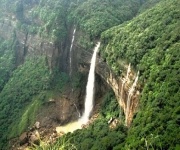
Start the first full day with one or two of Sohra’s accessible waterfalls. Nohkalikai Falls is among the most dramatic viewpoints in the region, with a deep green gorge and a long seasonal cascade. The viewing area is usually more suitable for families than a demanding trail, although wet surfaces and strong winds call for close supervision.
Seven Sisters Falls, also called Nohsngithiang Falls, is another worthwhile stop when visibility is good. During the monsoon, several streams drop over the cliff face, creating the view that gives the waterfall its popular name. In drier months, the falls may be less powerful, but the surrounding cliffs and valleys remain impressive.
Reserve the afternoon for Mawsmai Cave or another short sightseeing stop, depending on the children’s age and comfort. Mawsmai is comparatively accessible, but the passage can be narrow, slippery, and dark in places. Children should wear shoes with firm grip, and adults should avoid carrying large bags through the cave.
| Day | Main experiences | Pace | Family notes |
|---|---|---|---|
| One | Shillong to Sohra, check-in, nearby viewpoint | Easy | Keep the evening free after the drive |
| Two | Nohkalikai Falls, Seven Sisters Falls, Mawsmai Cave | Moderate | Choose fewer stops if rain is heavy |
| Three | Nongriat and the living root bridge area | Active | Best for families with older children |
| Four | Mawlynnong, village scenery, optional Dawki route | Long day | Start early and expect extended road travel |
| Five | Local visit, relaxed breakfast, departure | Easy | Allow extra time for weather and traffic |
Day three: decide whether Nongriat fits your family
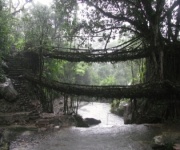
The trek to Nongriat and the living root bridges is one of Meghalaya’s most memorable experiences, but it should be treated as an active excursion rather than a casual sightseeing stop. The route includes many steps, humid forest sections, and uneven surfaces. Depending on the starting point, fitness level, weather, and breaks, the journey can take several hours.
Families with teenagers or experienced walkers may find the trek deeply rewarding. The bridges, grown from the roots of rubber fig trees over many years, show the relationship between Khasi communities and their environment. Begin early, carry sufficient water and snacks, and use a local guide when appropriate.
For families with young children, grandparents, or anyone uncomfortable with steep stairs, replace Nongriat with a gentler day. Spend time at viewpoints, visit a local attraction with a short approach, or enjoy the accommodation’s outdoor space. A holiday feels more successful when the itinerary respects everyone’s stamina instead of treating every famous attraction as essential.
Day four: villages, forests, and the eastern route
A day trip towards Mawlynnong introduces a different side of Meghalaya. The village is known for its cleanliness, landscaped paths, traditional homes, and community participation. Reading about a Mawlynnong village visit before travelling can help families understand how to behave respectfully and what to expect from the visit.
The drive is long from Sohra, so leave early and keep the schedule realistic. Depending on road conditions and the children’s patience, combine Mawlynnong with a nearby viewpoint or a short village walk rather than adding too many distant stops. Families should carry food and water, although local eateries may be available along the way.
Some itineraries continue towards Dawki and the Umngot River, famous for clear water and borderland scenery. This can be an attractive addition for a six- or seven-night holiday, but fitting Mawlynnong and Dawki into one rushed day may leave little time to enjoy either place. If boating is planned, check local operating conditions and follow safety instructions carefully.
Food, packing, and practical arrangements
Meghalaya’s weather makes preparation important. Pack quick-drying clothes, a waterproof outer layer, comfortable walking shoes, spare socks, sun protection, insect repellent, and a small first-aid kit. A dry bag or waterproof pouch protects phones, medicines, documents, and snacks during sudden rain.
Food preferences should be discussed with the accommodation before arrival, especially for younger children or travellers with allergies. Rice-based meals, vegetables, eggs, chicken, and local Khasi dishes are commonly available, but the selection may be more limited away from larger towns. Keep familiar snacks in the vehicle for long drives and active days.
Mobile connectivity can vary in the hills, and ATMs are not available at every stop. Carry some cash, charge power banks overnight, and save booking details offline. Families travelling from outside India should check current visa rules and any applicable travel permissions before departure, while all visitors should carry identification and essential medication.
The best time depends on the experience your family wants. The monsoon brings powerful waterfalls and vivid greenery, but roads can be wet and visibility uncertain. Autumn and winter often offer clearer views and more comfortable walking conditions, although evenings can feel cold. Spring brings pleasant scenery, while rainfall remains possible throughout the year.
Adjust the plan for different ages
With toddlers, prioritise short transfers, nearby attractions, and accommodation with reliable meals and comfortable common areas. A stroller may be difficult on uneven paths, so a child carrier can be more practical for short walks. Avoid building a day around caves or steep trails unless the child is comfortable in dark, confined, or slippery spaces.
Primary-school children often enjoy waterfalls, caves, village visits, and simple nature walks. Turn the journey into an informal discovery activity by pointing out local plants, cloud movement, bridges, and changes in the landscape. Short stops at viewpoints can prevent the restlessness that comes with long drives.
Teenagers may prefer the active elements of the region, including Nongriat, longer forest walks, photography, and a Dawki excursion. Even then, schedule recovery time after a trek. Comfortable pacing leaves room for everyone to enjoy the destination rather than spending the holiday recovering from an overloaded route.
Small decisions that make the journey smoother
- Choose accommodation with family rooms, attached bathrooms, dependable heating or blankets, and meal options suited to children.
- Start long sightseeing drives early, especially for Mawlynnong, Dawki, or attractions reached by narrow hill roads.
- Keep rainwear, water, snacks, medication, and a change of clothes in an accessible day bag.
- Confirm trail conditions, local entry arrangements, boating availability, and weather before setting out.
- Leave space in the schedule for rest, scenic pauses, and changes caused by rain.
Extend the holiday beyond five days
A six- or seven-night Meghalaya package allows the family to divide long journeys and explore at a more comfortable pace. One additional night can be used for Shillong before or after Sohra, while another can make a Dawki and Mawlynnong excursion less demanding. This arrangement is particularly useful for families arriving from far away or travelling with young children.
An extended trip can also include more time for local communities, forested parks, caves, and lesser-known viewpoints. Rather than collecting attractions, choose experiences that suit the group: a quiet morning after a trek, a village walk, a waterfall viewpoint in changing weather, or an evening sharing stories at the accommodation.
For a shorter two- or three-night stay, stay close to Sohra and focus on Nohkalikai Falls, Seven Sisters Falls, Mawsmai Cave, and one additional nearby attraction. This compact plan still provides a strong sense of the landscape without turning every day into a long road journey.
A family holiday in Cherrapunjee is easiest to enjoy when the route balances discovery with recovery. Select a suitable base, account for weather, and decide in advance which activities are essential for your group. When you are ready to organise transport, accommodation, and a tailored Meghalaya experience, contact India Beacons Sojourn through Cherrapunjee.net to plan your family’s stay in Sohra.